
RFID Labels & Inlays
Complete guide to RFID labels & inlays

Quick answer
In specification terms, RFID labels and inlays are thin, flexible smart-label components that combine an RFID chip, an etched or printed antenna and a label face stock or adhesive carrier into a converter-ready or ready-to-apply form factor for item-level identification. Within the RFID product family the inlay is the semi-finished building block (a chip bonded to an antenna on a PET film) while the finished label adds face stock, printing and optional adhesive so that retailers, logistics operators, pharmaceutical manufacturers and luxury brands can print, encode and apply millions of unique SKU identifiers per day on standard Zebra, SATO and Printronix thermal-transfer printers.
- 58 RFID label, inlay and smart-label SKUs in one catalogue. NTAG213/215/216/424 DNA NFC labels, Impinj M700/M750/M800, NXP UCODE 8/8m/9 and Alien Higgs-9 UHF inlays, industry-specific labels for tire, airline baggage, DPP, battery passport and luxury authentication.
- Every inlay 100% inline-tested against EPCglobal Gen2 v3 / ISO 18000-63 sensitivity thresholds and GS1 TDS 2.0 EPC memory-layout compliance. Cpk >1.33 typical on read range, sensitivity and antenna-to-chip bond strength.
- Converter-ready wet-inlay rolls (2,000-10,000 pcs, 76 mm core) feed directly into Mühlbauer, Bielomatik, Melzer and Avery Dennison laminating lines; finished labels print and encode on Zebra ZT411 RFID, SATO CL4NX Plus RFID and Printronix T8000 R RFID at 12 inches per second.
Browse all 58 RFID Labels
Every RFID Label SKU we manufacture — click any card for spec sheets, chip options, MOQ and lead times, or send the inquiry form on the right to request a quote across multiple SKUs at once.
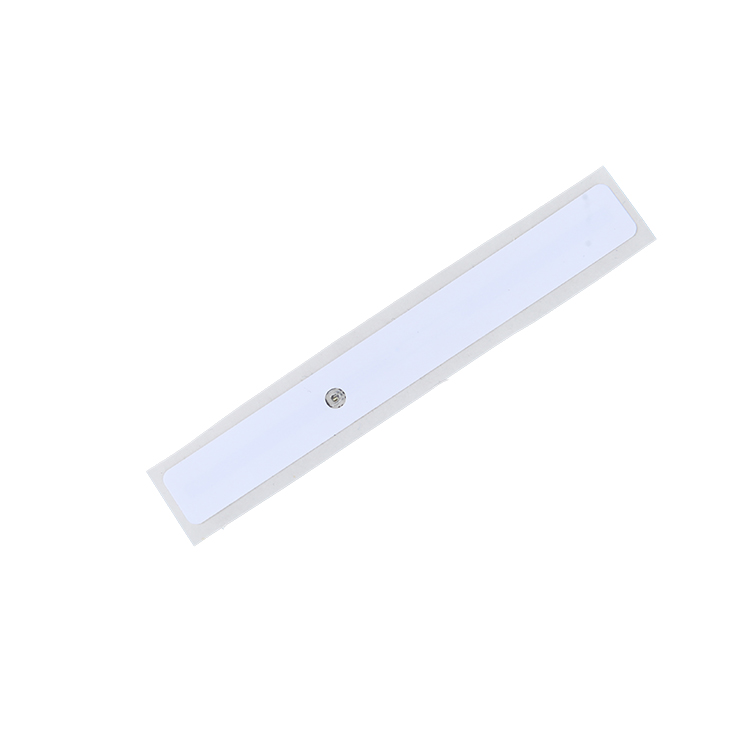
Alien Higgs-9 UHF Inlay
The Alien long-range UHF chip UHF inlays embed Alien Technology's Higgs-9 chip with 128-bit EPC, 96-bit factory-serialised TID, and 688-bit...
Explore Alien Higgs-9 UHF Inlay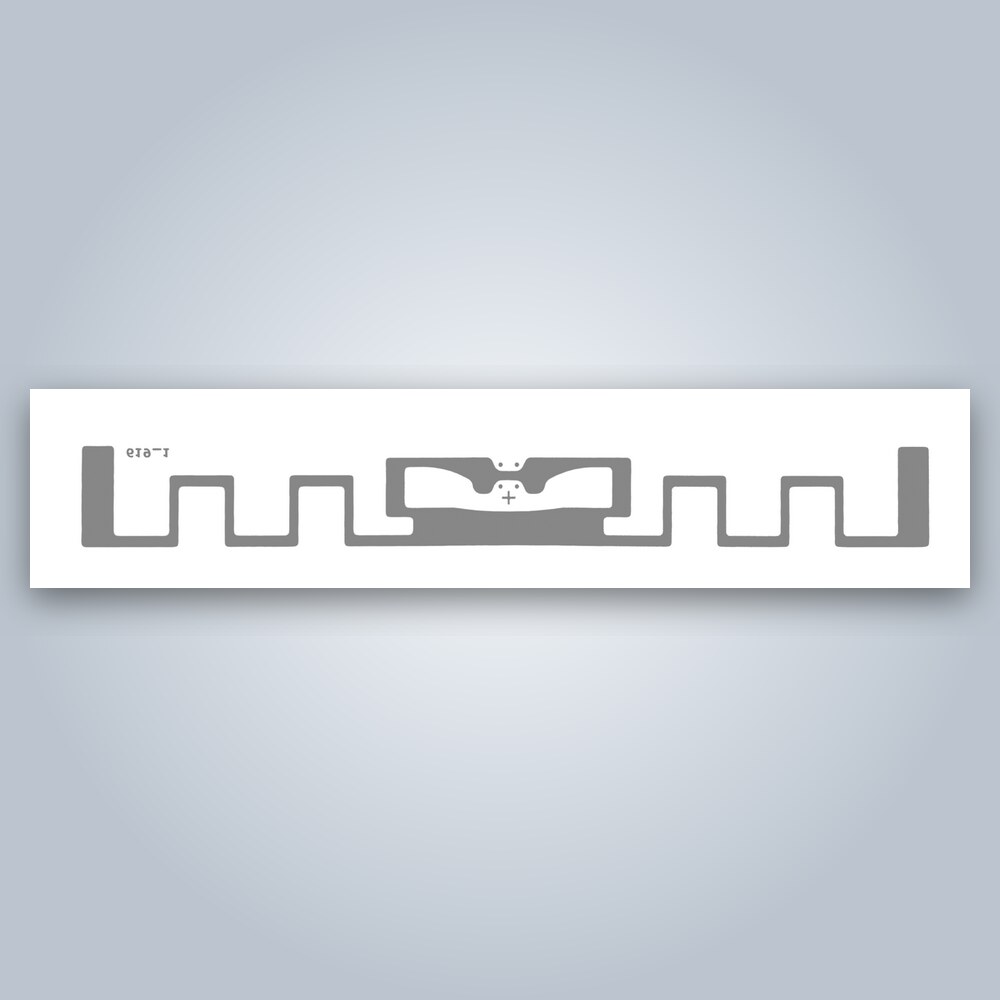
Impinj M700-Series UHF Inlays
This Impinj UHF inlay family-series UHF inlays embed the Monza M730 (retail item-level), M750 (mainstream logistics with user memory), or M...
Explore Impinj M700-Series UHF InlaysImpinj M730 UHF Inlay
This Impinj UHF inlay family (Monza R6 silicon class) is the volume retail workhorse of the M700 family — 96-bit EPC, ISO/IEC 18000-63 / EP...
Explore Impinj M730 UHF Inlay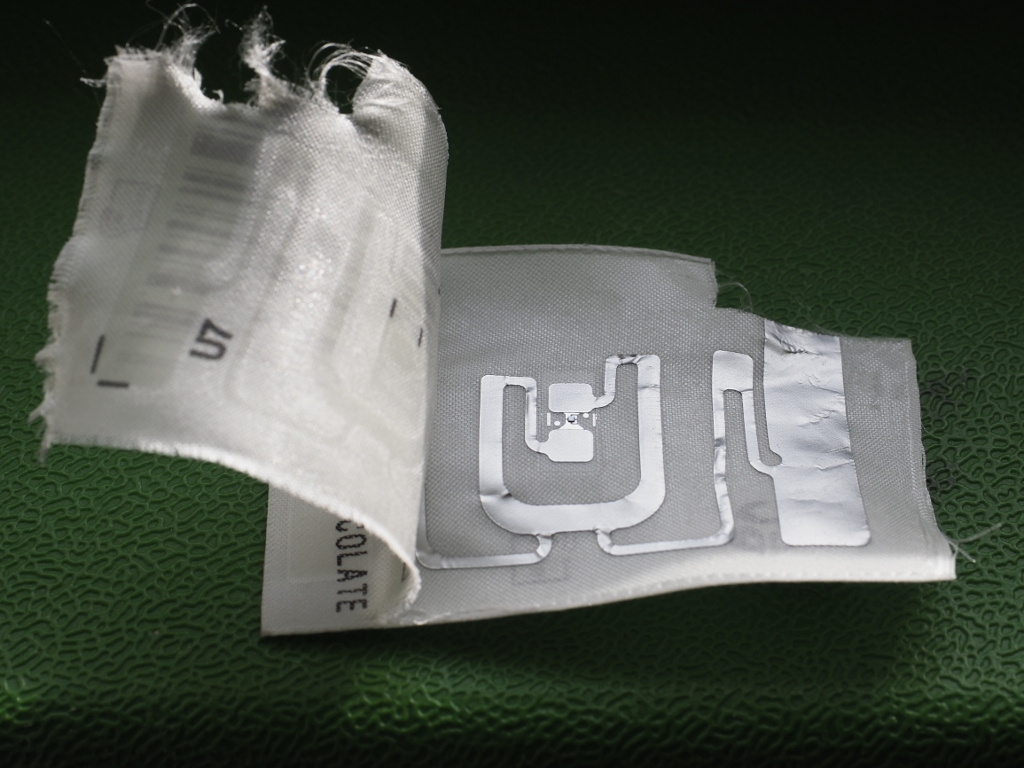
Impinj M750 UHF Inlay
Impinj M750 is the Monza R6-P silicon — the user-memory tier of the M700 family. Compared to the M730 (96-bit EPC only), M750 adds 32 bits...
Explore Impinj M750 UHF Inlay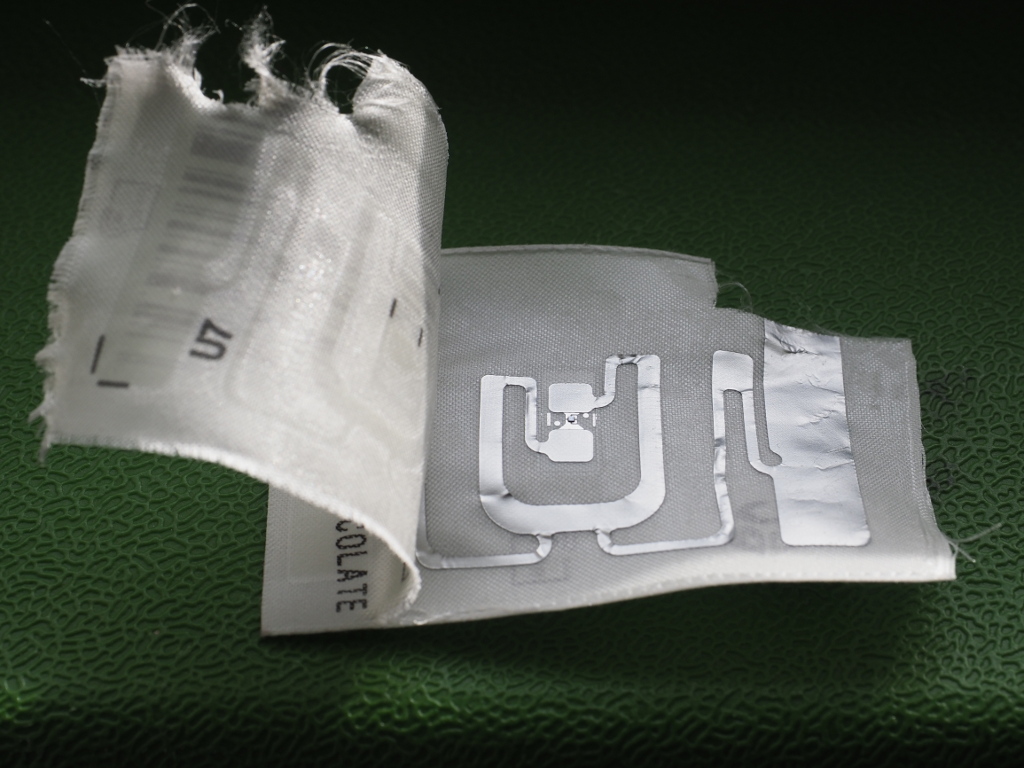
Impinj M800 UHF Inlay
Impinj M800 series inlays carry the next-generation RAIN RFID tag chips — M830 (128-bit EPC, no user memory) and M850 (96-bit EPC + 32-bit...
Explore Impinj M800 UHF Inlay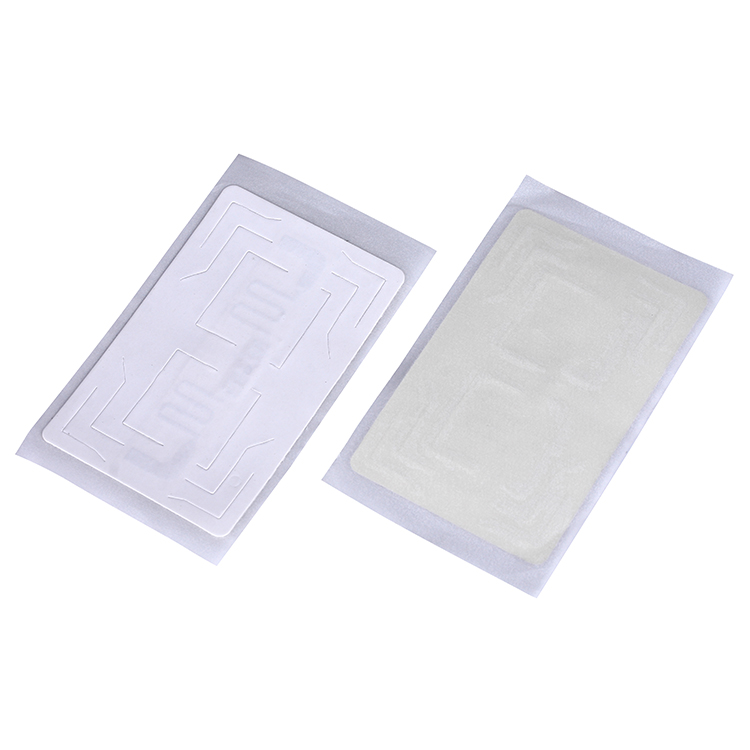
Long-Range UHF RFID Windshield Sticker
Long-range UHF RFID windshield stickers extend the standard 3-10 m windshield-RFID read range to 5-12 m through automotive glass, enabling...
Explore Long-Range UHF RFID Windshield Sticker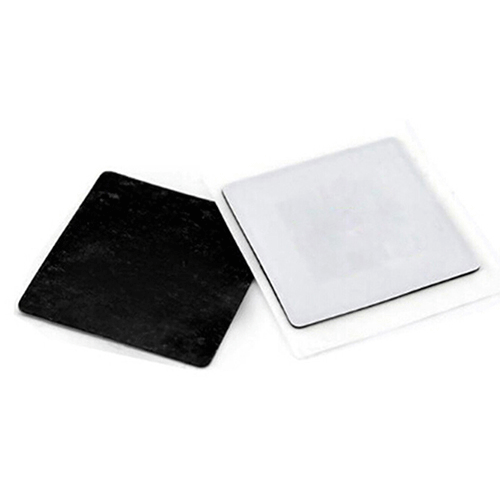
NFC Anti-Metal Sticker
Standard NFC stickers fail completely on metal — the metal plane creates eddy currents that cancel the antenna's magnetic field and read di...
Explore NFC Anti-Metal Sticker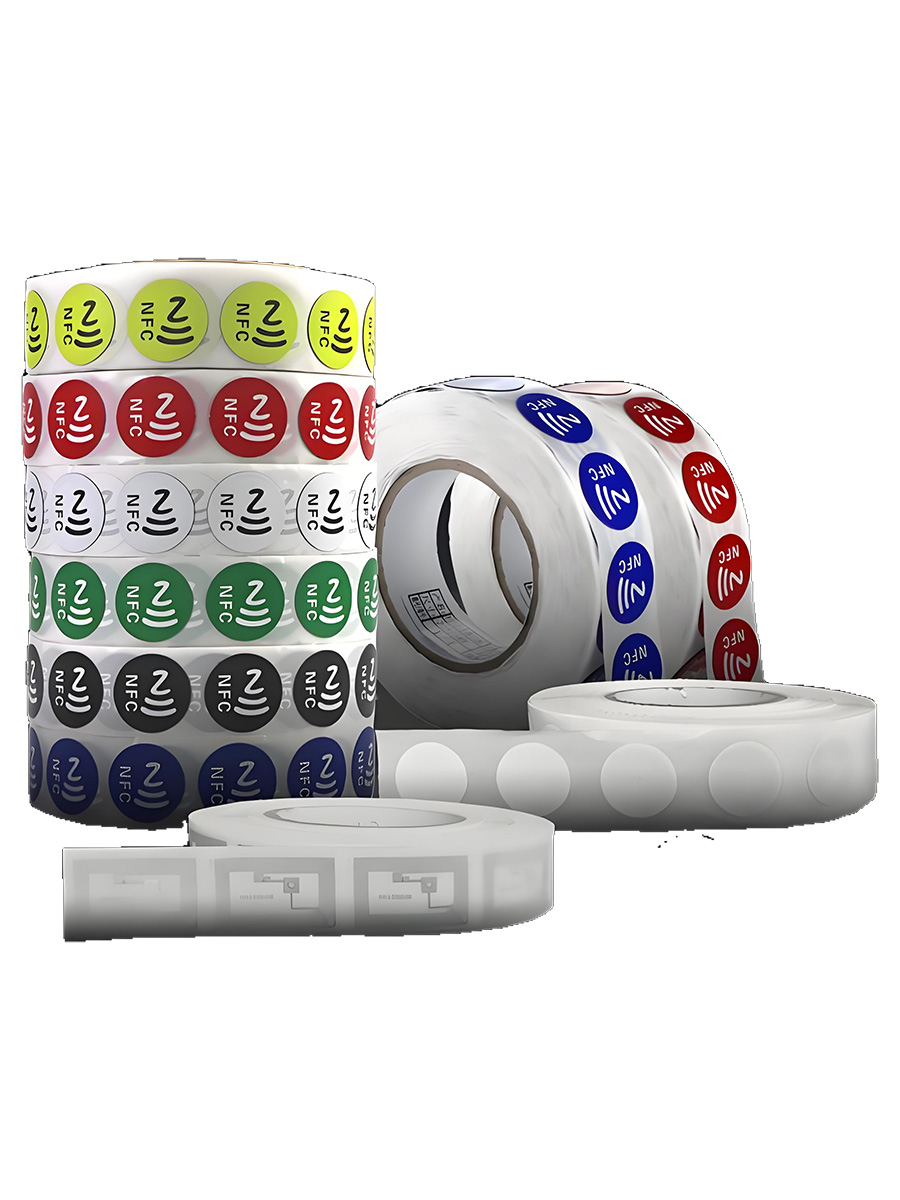
NFC Art Provenance Tag
NFC art provenance tags carry a NTAG 424 DNA AES-128 SUN cryptographic identity bound to a cloud-based provenance registry — letting collec...
Explore NFC Art Provenance Tag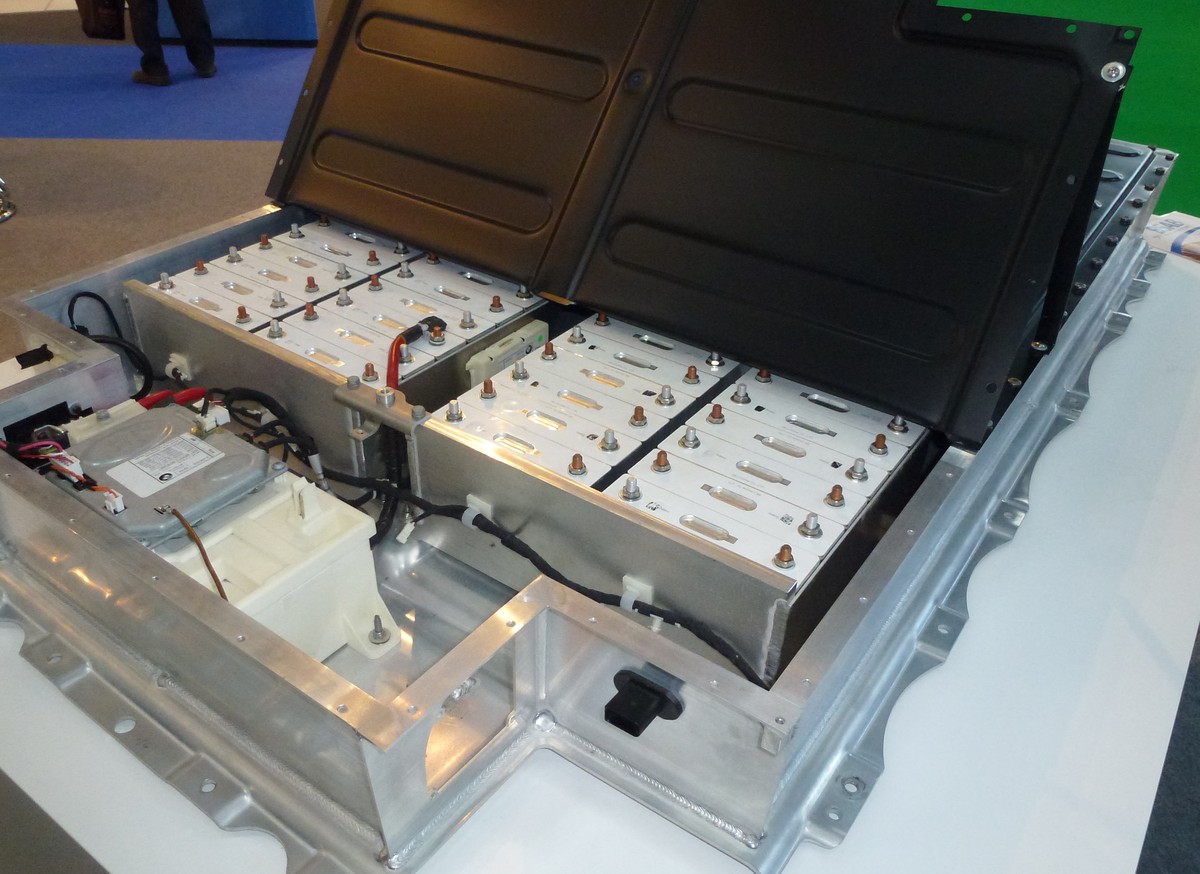
NFC Battery Passport Tags
At BOM level, NFC Battery Passport tags embed NXP NTAG 424 DNA (AES-128 + Secure Dynamic Messaging with 5-key role-based access) into rugge...
Explore NFC Battery Passport Tags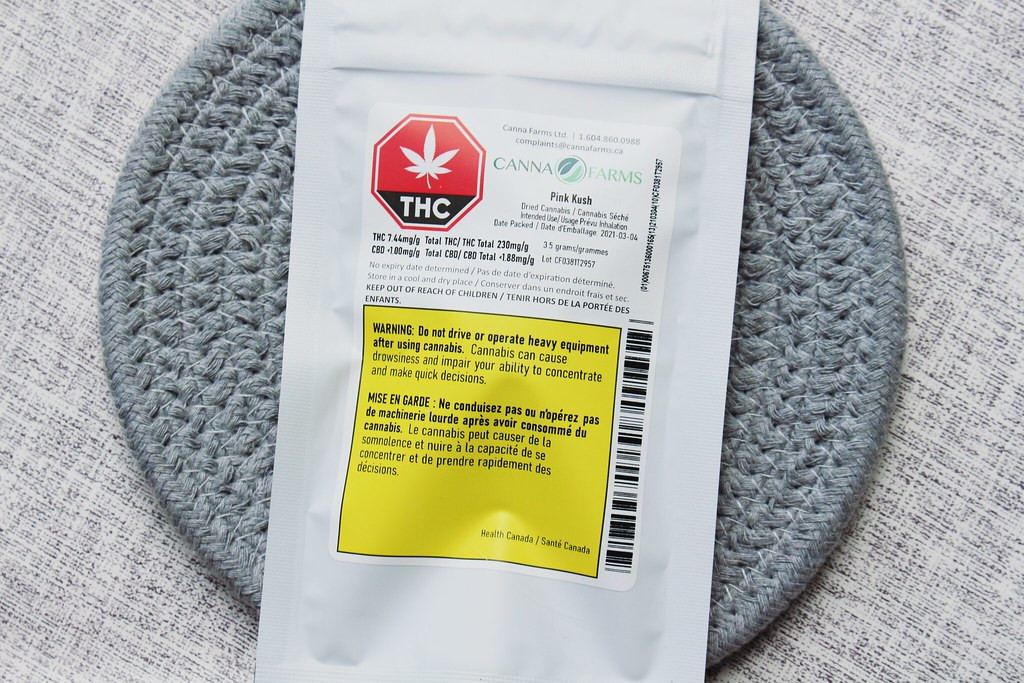
NFC Cannabis Tracking Label
In specification terms, NFC cannabis tracking labels carry the state-mandated seed-to-sale package identifier (Metrc / BioTrack / Leaf Data...
Explore NFC Cannabis Tracking Label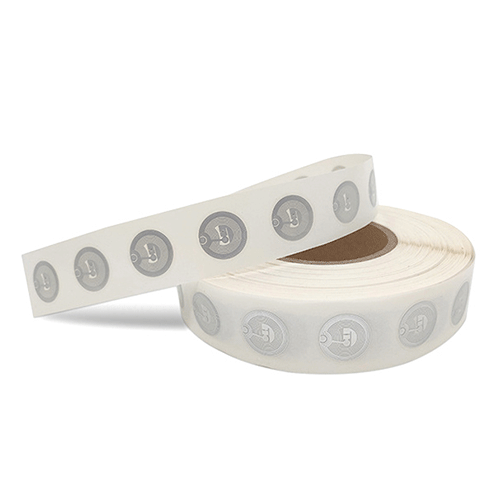
NFC Cosmetics Authentication Labels
At BOM level, NFC cosmetics authentication labels embed NXP NTAG 424 DNA (AES-128 + Secure Dynamic Messaging) into ultra-compact 12 × 19 mm...
Explore NFC Cosmetics Authentication Labels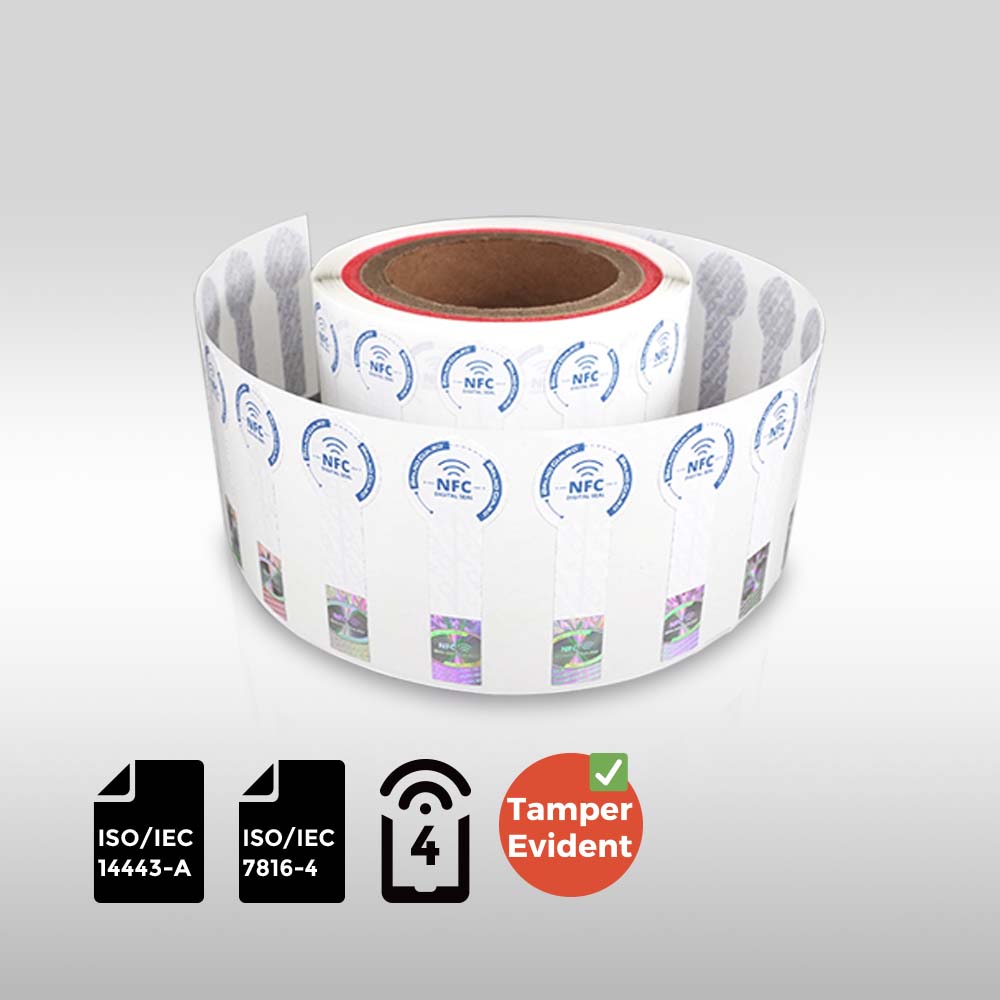
NFC Digital Product Passport Tags
NFC Digital Product Passport (DPP) tags embed NXP NTAG 424 DNA (AES-128 + Secure Dynamic Messaging) — or NTAG213 / 216 for public-only acce...
Explore NFC Digital Product Passport Tags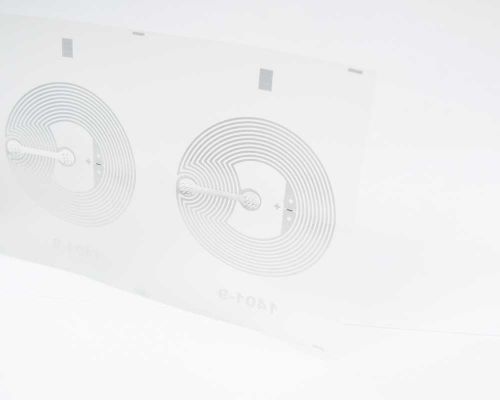
NFC Dry Inlays
NFC dry inlays are bare chip-and-antenna assemblies on 50 µm PET film with no adhesive layer and no release liner — the inlay-stage flagshi...
Explore NFC Dry Inlays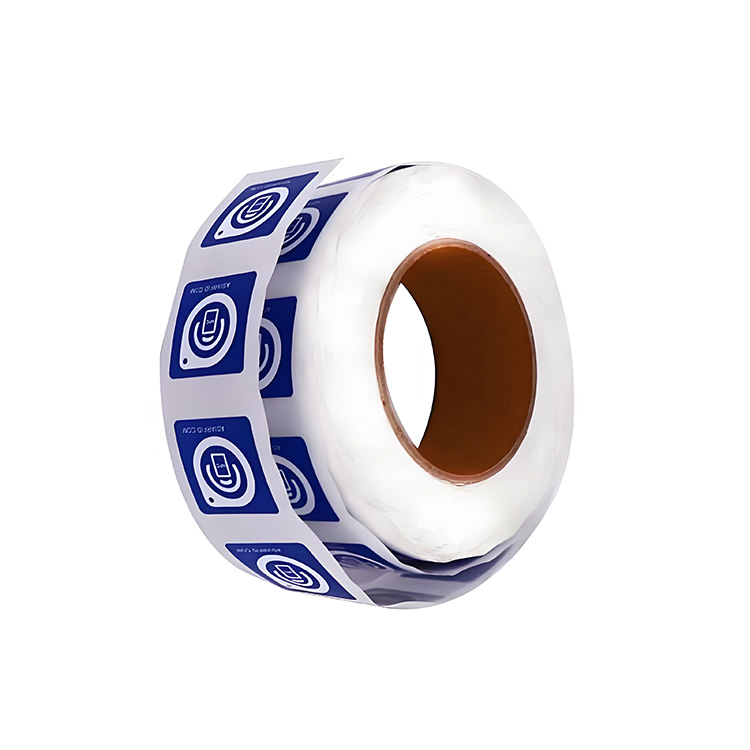
NFC Electronics Warranty Label
NFC electronics warranty labels combine NTAG 424 DNA AES-128 SUN authentication with bridge-antenna tamper-evidence and one-tap warranty ac...
Explore NFC Electronics Warranty Label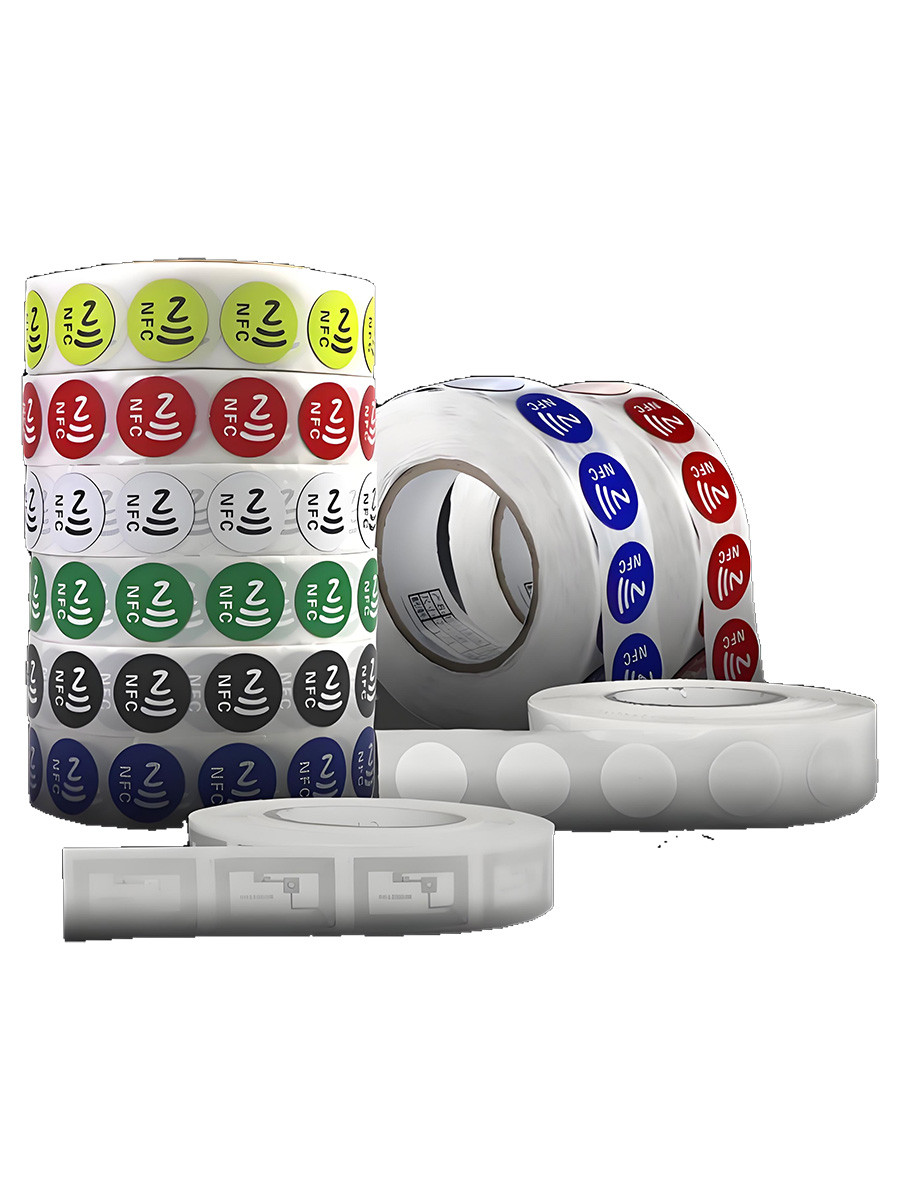
NFC Event Ticket Sticker
In specification terms, NFC event ticket stickers carry a NTAG213 / NTAG216 / NTAG 424 DNA chip on a PET sticker — letting attendees tap to...
Explore NFC Event Ticket Sticker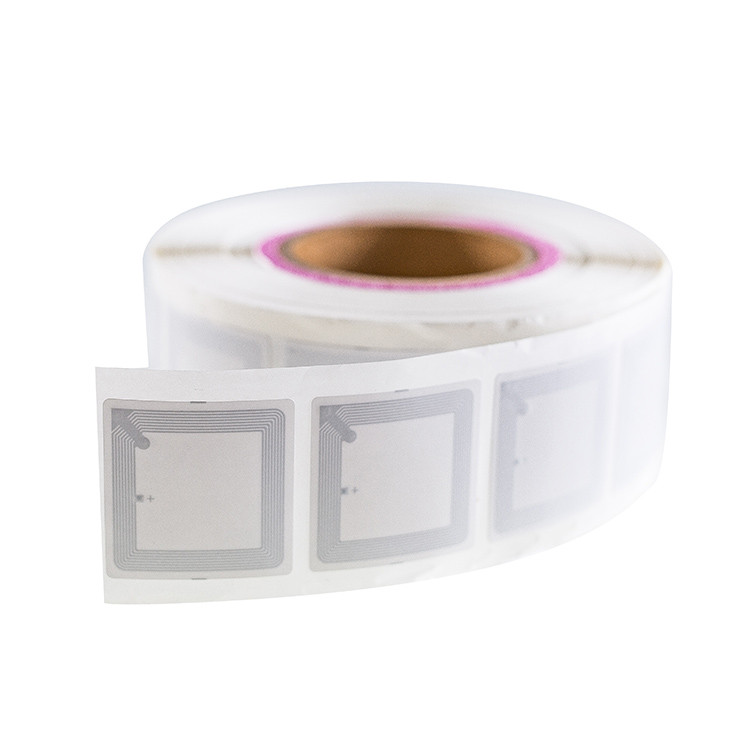
NFC Food Traceability Label
NFC food traceability labels carry the GS1 Digital Link URI + EPCIS 2.0 visibility-event reference + per-lot Traceability Lot Code (TLC) on...
Explore NFC Food Traceability Label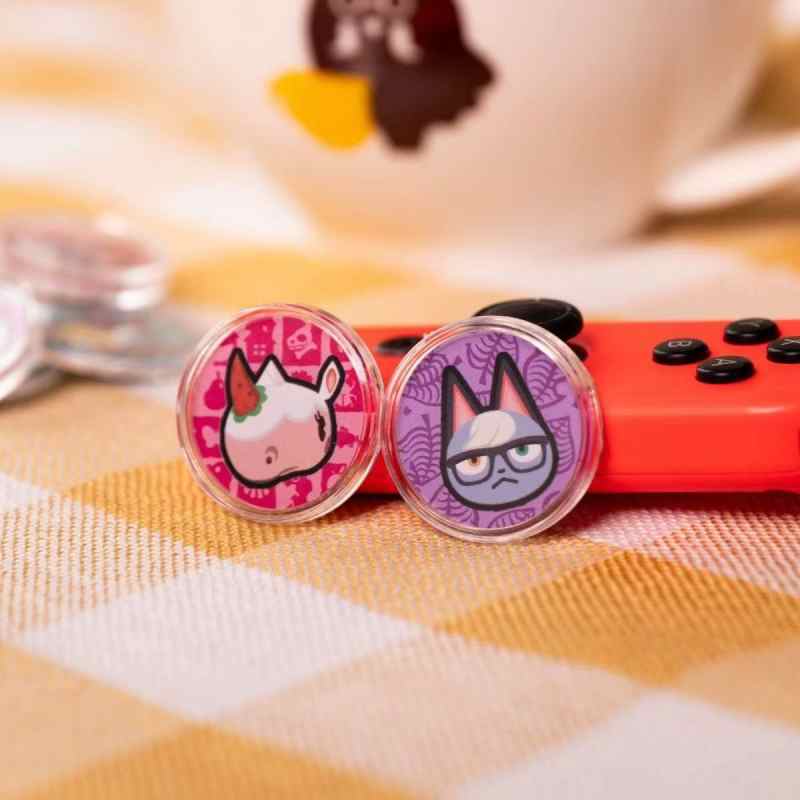
NFC Gaming & Collectible Tag
NFC gaming and collectible tags are 13.56 MHz HF NFC Forum Type 2 chips (NTAG215 504-byte standard or NTAG 424 DNA AES-128 SUN for IP-defen...
Explore NFC Gaming & Collectible Tag
NFC Luxury Handbag Tags
In real-world deployments, NFC luxury handbag authentication tags embed NXP NTAG 424 DNA (AES-128 + Secure Dynamic Messaging) — or NTAG 424...
Explore NFC Luxury Handbag Tags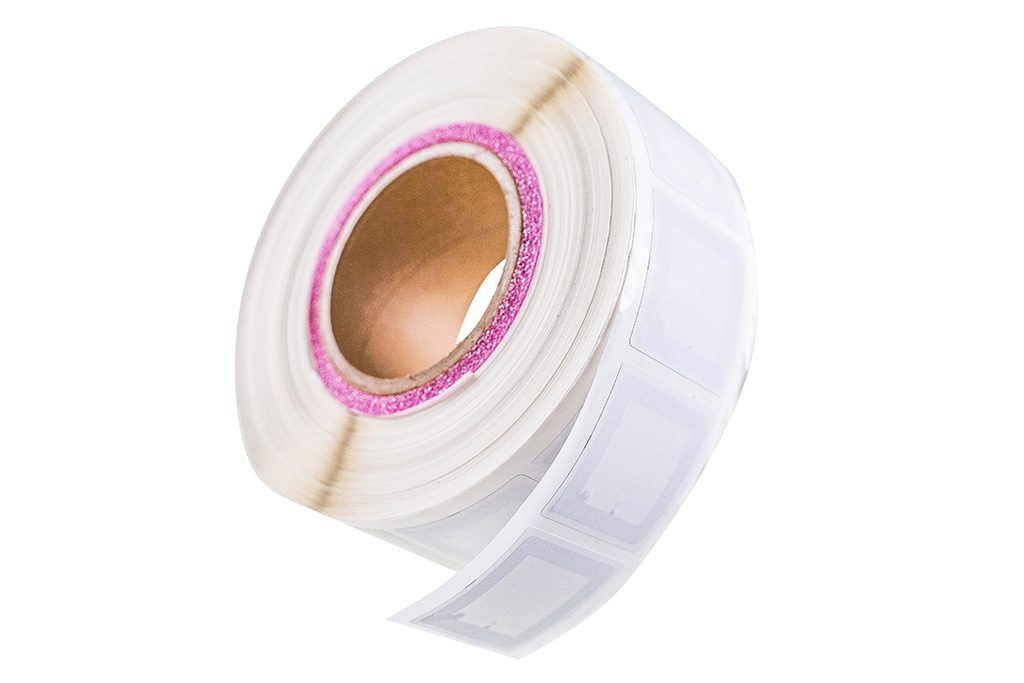
NFC Olive Oil Authentication Labels
NFC olive oil authentication labels embed NXP NTAG 424 DNA (AES-128 + Secure Dynamic Messaging) into bridge-antenna seals spanning bottle c...
Explore NFC Olive Oil Authentication Labels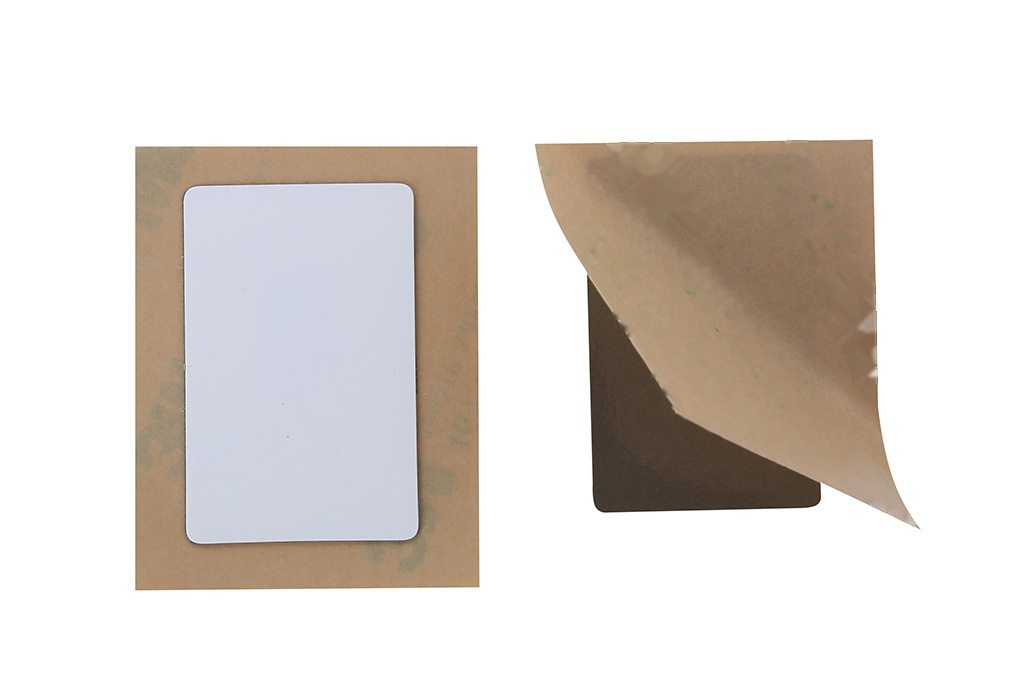
NFC Pharmaceutical Labels
NFC pharmaceutical labels embed NXP NTAG 424 DNA (AES-128 + Secure Dynamic Messaging) — or NTAG 424 DNA TagTamper (TT) for EU FMD Article 5...
Explore NFC Pharmaceutical Labels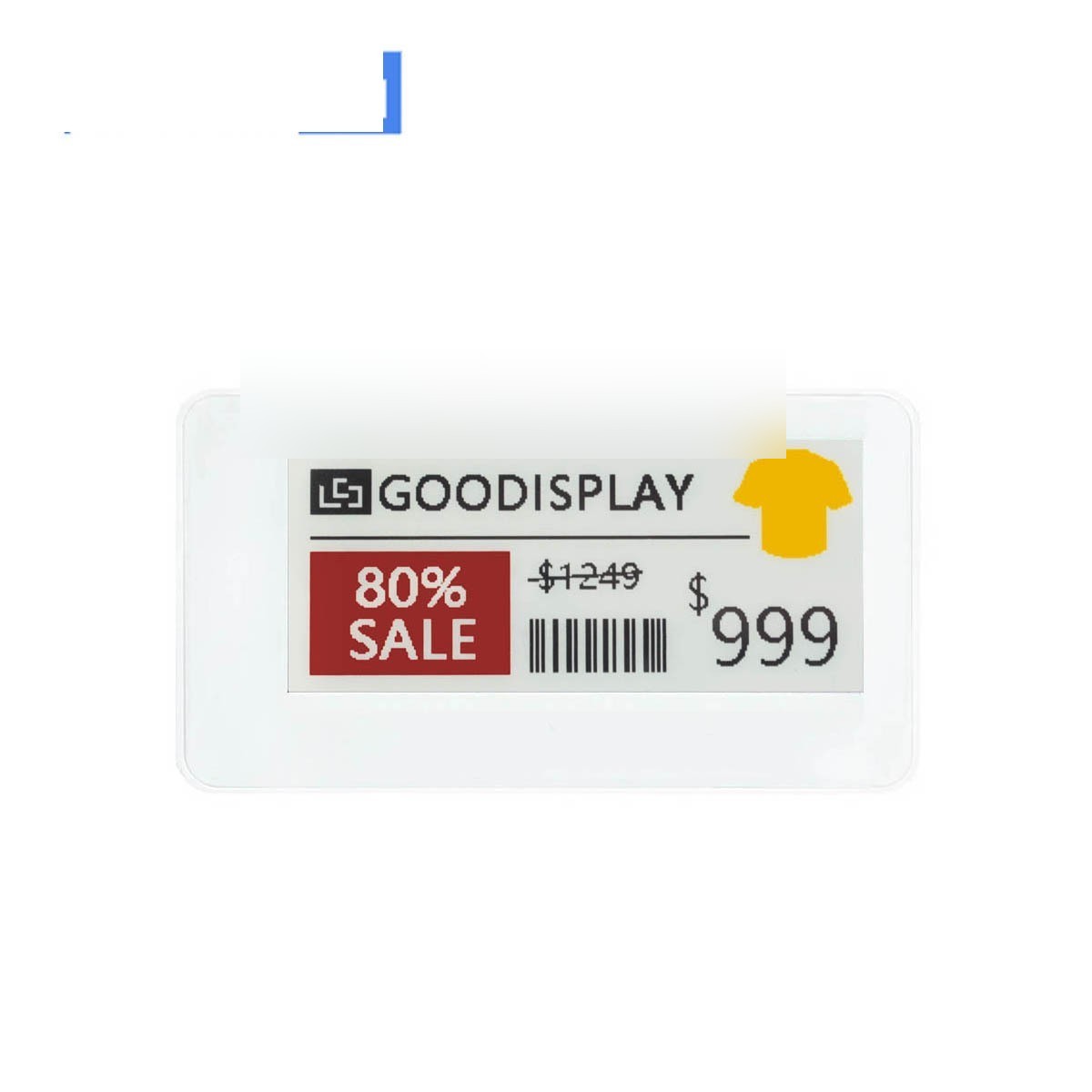
NFC Shelf Label
NFC shelf labels are 13.56 MHz passive HF tags fixed to the shelf edge that open a product page when a shopper taps their phone, complement...
Explore NFC Shelf Label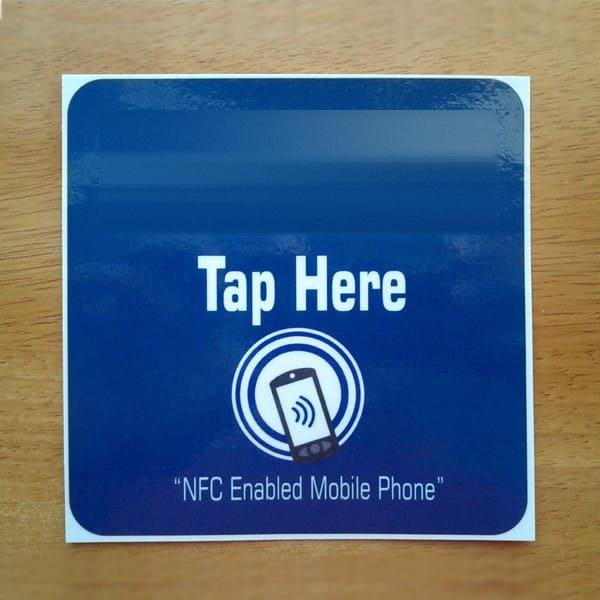
NFC Smart Poster Tags
NFC smart poster tags carry NTAG213 (144 B) or NTAG216 (888 B) chips embedded behind any physical poster, sign, display or print ad — letti...
Explore NFC Smart Poster Tags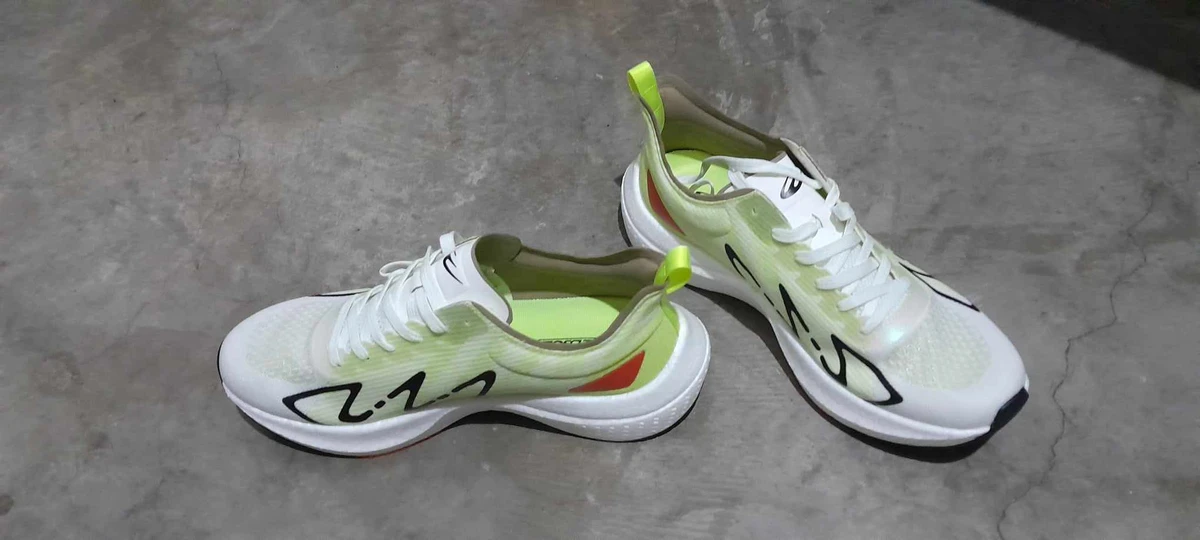
NFC Sneaker Authentication Tags
On the bench, NFC sneaker authentication tags embed NXP NTAG 424 DNA (AES-128 + Secure Dynamic Messaging) into woven tongue labels, under-i...
Explore NFC Sneaker Authentication Tags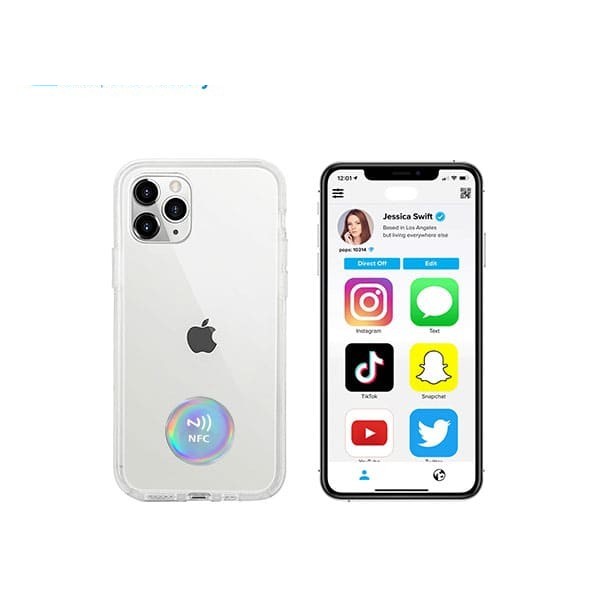
NFC Social Media Tag
NFC social media tags carry a NTAG213 chip programmed with Instagram / LinkedIn / TikTok / YouTube / X / Linktree URL — letting your audien...
Explore NFC Social Media Tag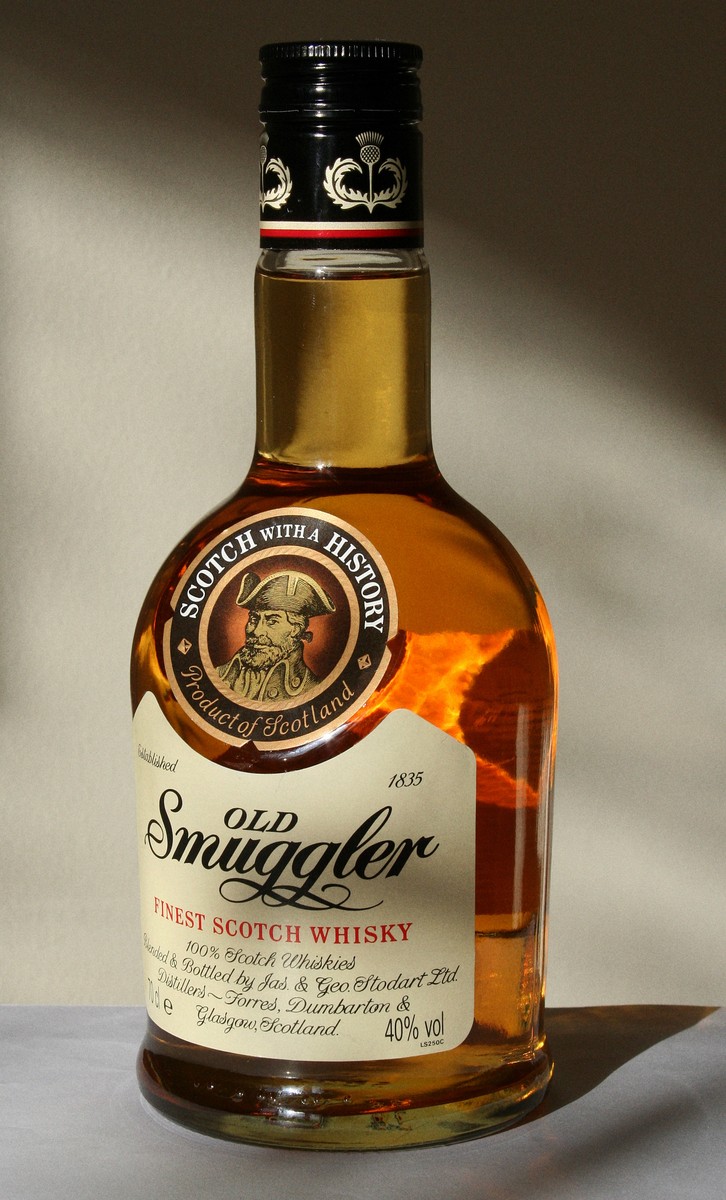
NFC Spirits Authentication Labels
On the bench, NFC spirits authentication labels embed NXP NTAG 424 DNA (AES-128 + Secure Dynamic Messaging) — or NTAG 424 DNA TagTamper (TT...
Explore NFC Spirits Authentication Labels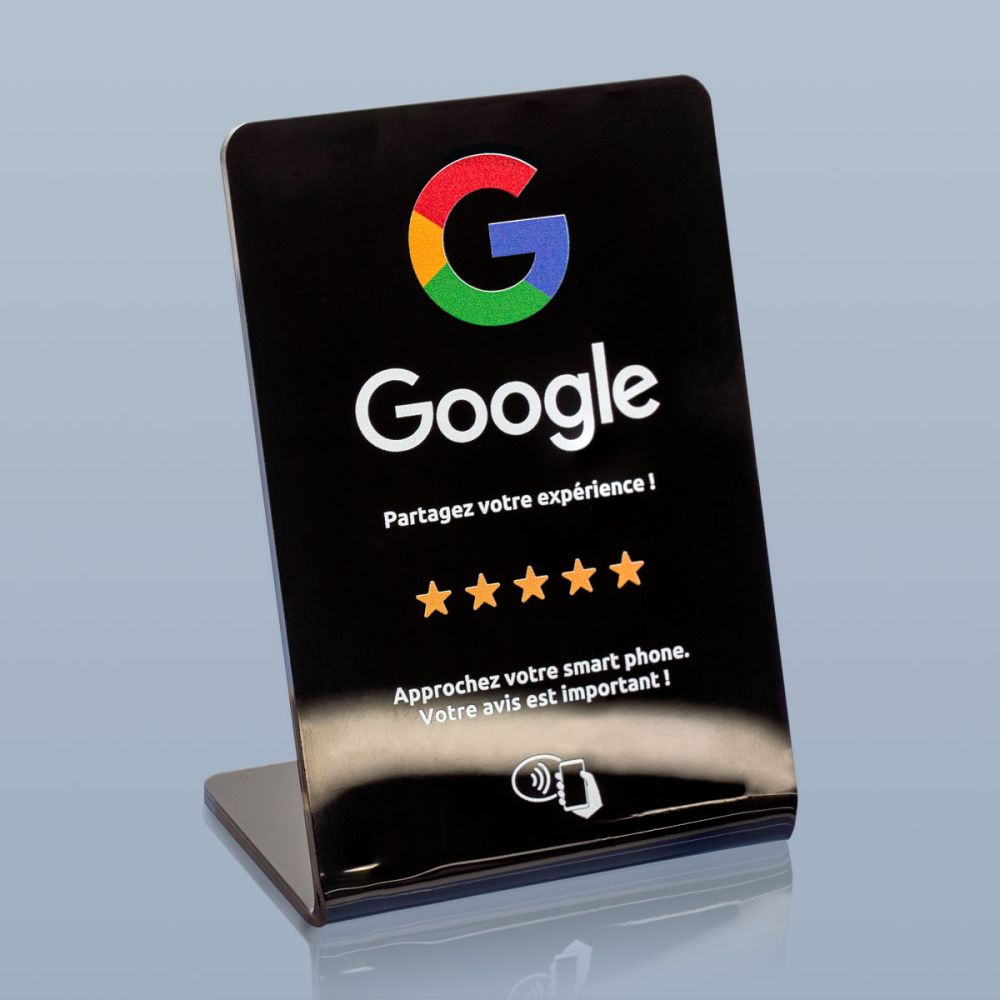
NFC Table Stands & Counter Displays
NFC table stands and counter displays put a tap-to-act NTAG213 / NTAG216 chip at the customer point-of-interaction — restaurant tables, hot...
Explore NFC Table Stands & Counter Displays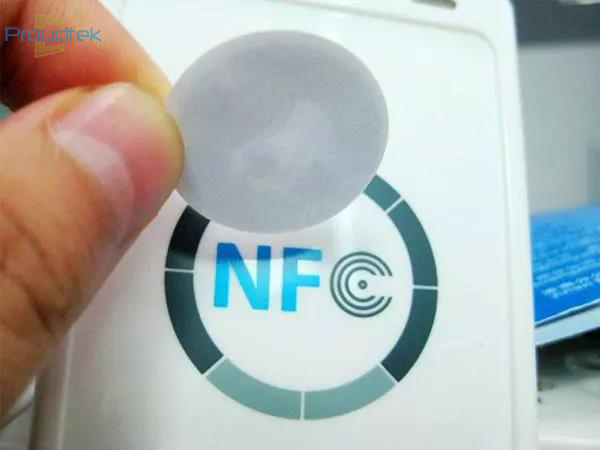
NFC Tap-to-Pay Sticker
NFC tap-to-pay stickers turn any surface into a contactless payment acceptance point — micro-merchants, vending operators, transit systems,...
Explore NFC Tap-to-Pay Sticker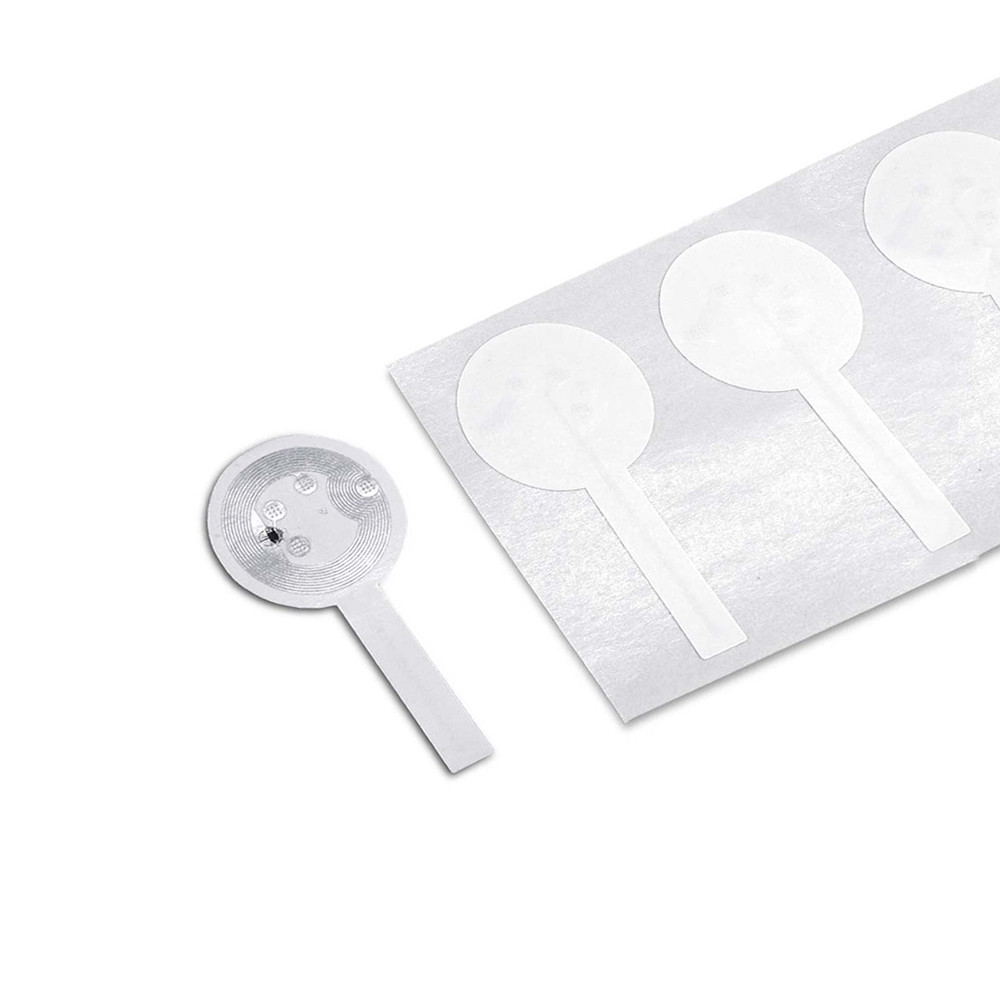
NFC Warranty Seal Tags
NFC warranty seal tags combine a destructible-vinyl label that fragments on removal with a NTAG 424 DNA chip carrying AES-128 SUN authentic...
Explore NFC Warranty Seal Tags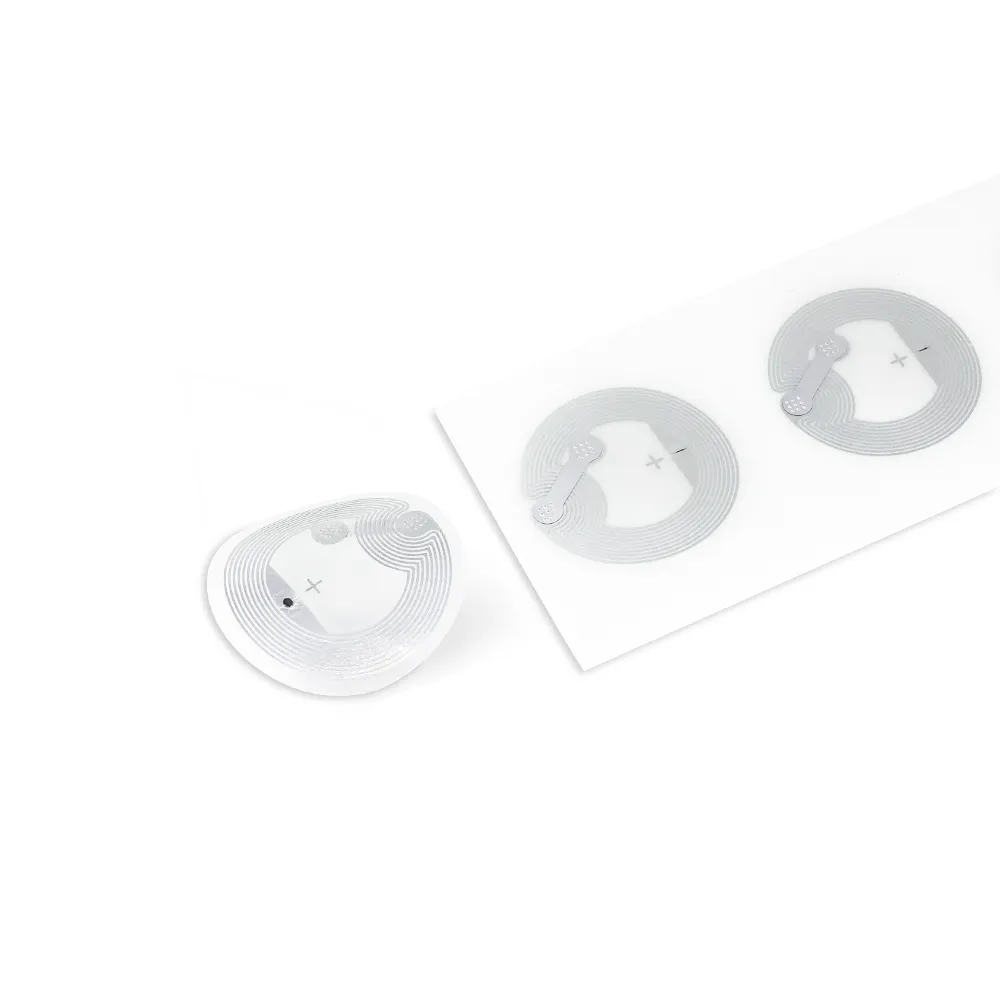
NFC Wet Inlays
NFC wet inlays are the inlay-stage flagship raw building block for NFC-enabled products — chip + antenna on PET film, pressure-sensitive ad...
Explore NFC Wet Inlays
NFC Wine Bottle Tags
NFC bottle tags and capsule seals carry NTAG 424 DNA AES-128 SUN authentication + tamper-loop CTTES on the bottle capsule, under-label or c...
Explore NFC Wine Bottle Tags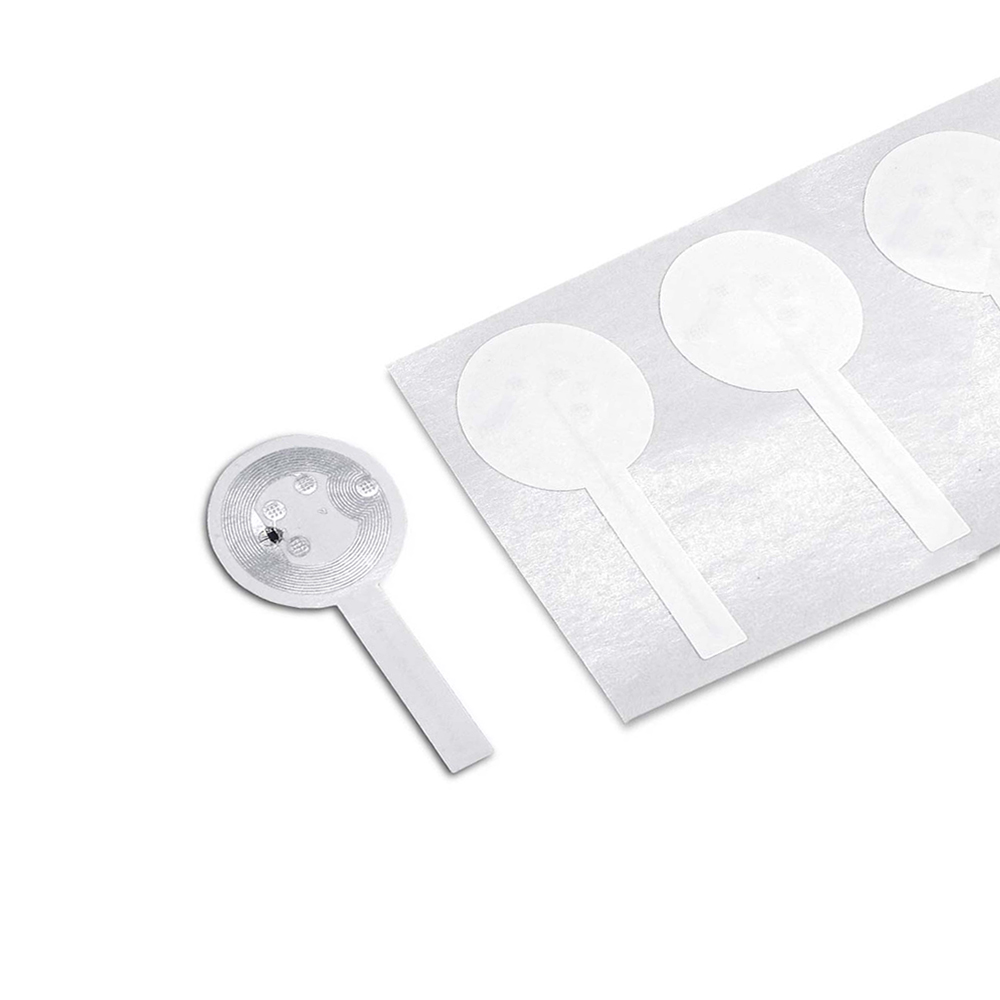
NTAG 424 DNA Tamper-Evident Tags
This NXP secure NFC chip family is NXP's flagship NFC sticker chip for product authentication: AES-128 mutual authentication plus Secure Dy...
Explore NTAG 424 DNA Tamper-Evident Tags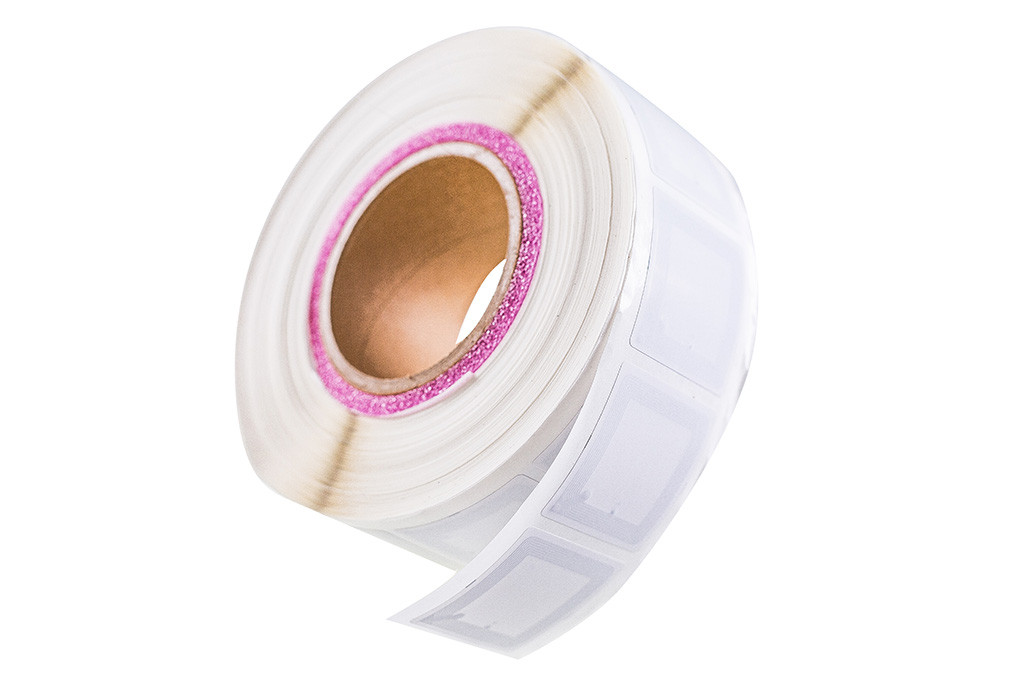
NTAG213 NFC Stickers
NTAG213 is the most widely deployed NFC tag in the world — a 13.56 MHz passive sticker with 144 bytes of user memory, NFC Forum Type 2 Tag...
Explore NTAG213 NFC Stickers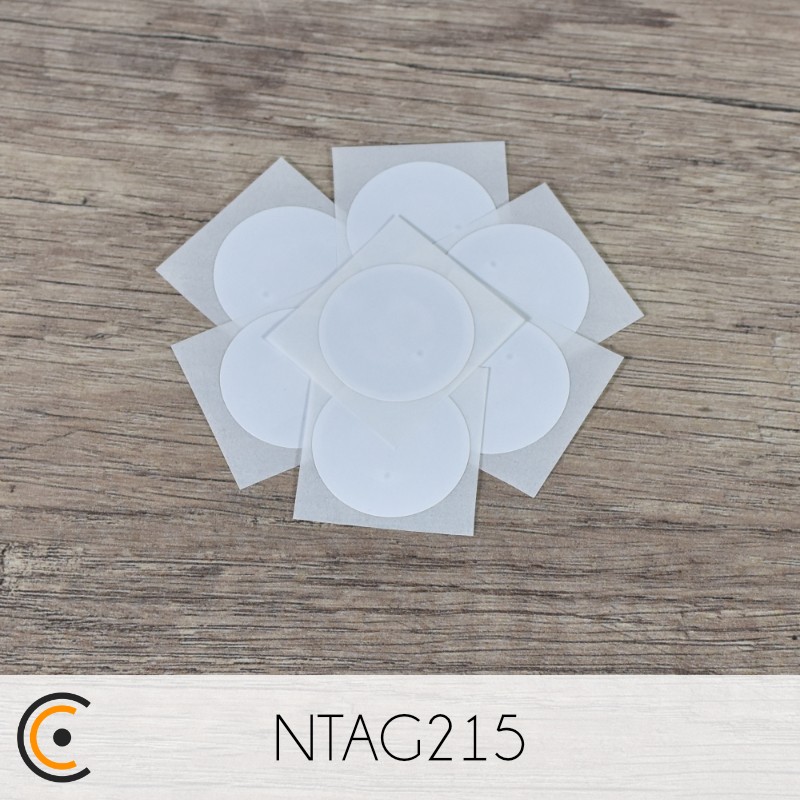
NTAG215 NFC Stickers
NTAG215 NFC stickers carry 504 bytes of user memory across 126 pages — 3.5x more than NTAG213 and the exact chip Nintendo specifies for Ami...
Explore NTAG215 NFC Stickers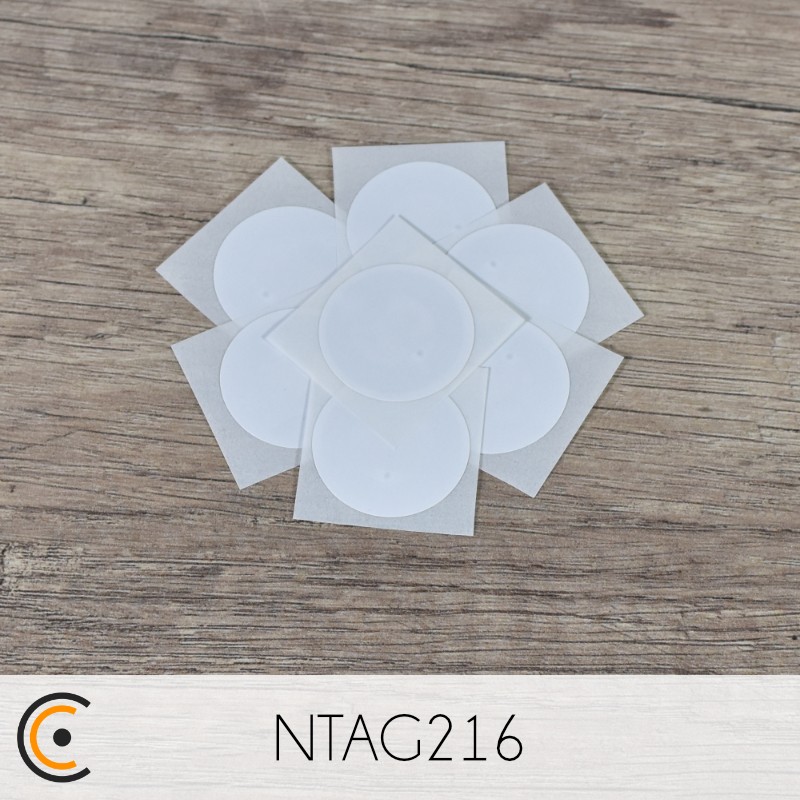
NTAG216 NFC Stickers
NTAG216 carries 888 bytes of user memory across 222 pages — six times more than NTAG213 and 1.76x more than NTAG215. The high-memory NFC Fo...
Explore NTAG216 NFC Stickers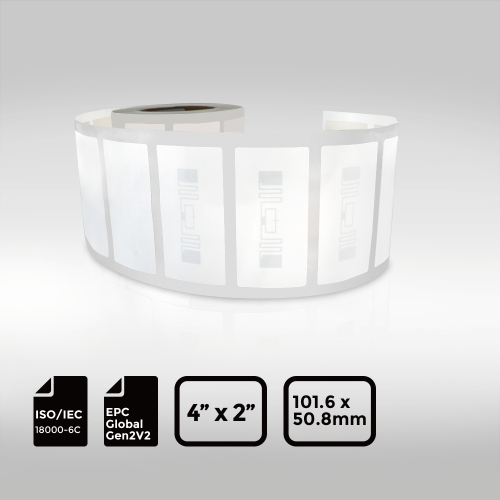
RFID Airline Baggage Tag
RFID airline baggage tags embed an Impinj M750 / NXP UCODE 9 UHF inlay (70×15 mm) into the standard IATA folding baggage tag header — enabl...
Explore RFID Airline Baggage Tag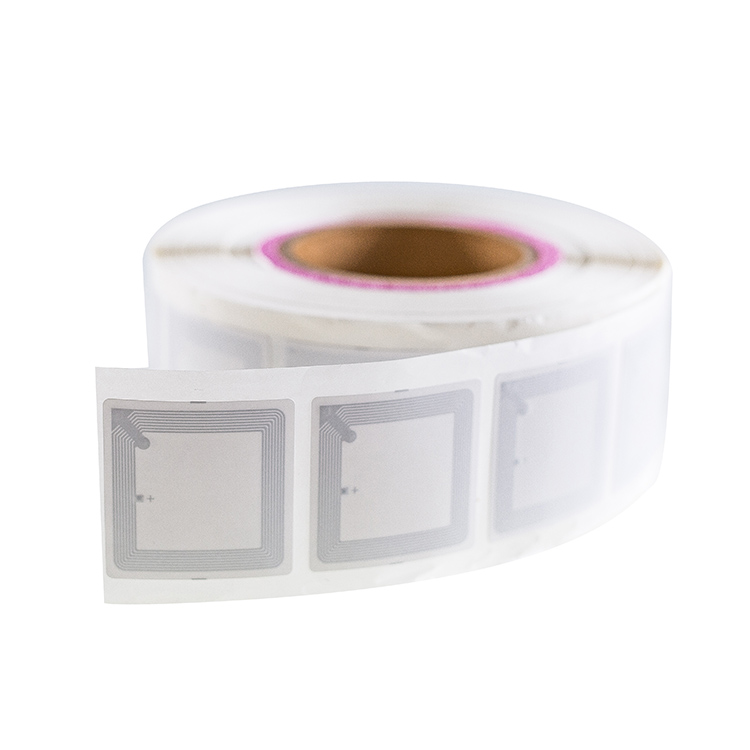
RFID Asset Label
In specification terms, RFID asset labels carry an Impinj M730 / NXP UCODE 8 chip on a durable polyester or aluminium on-metal substrate —...
Explore RFID Asset Label
RFID Book Spine Label
RFID book spine labels are thin, flexible 13.56 MHz HF tags (ISO/IEC 15693 + NFC Forum Type 5) bonded inside the back cover or on the spine...
Explore RFID Book Spine Label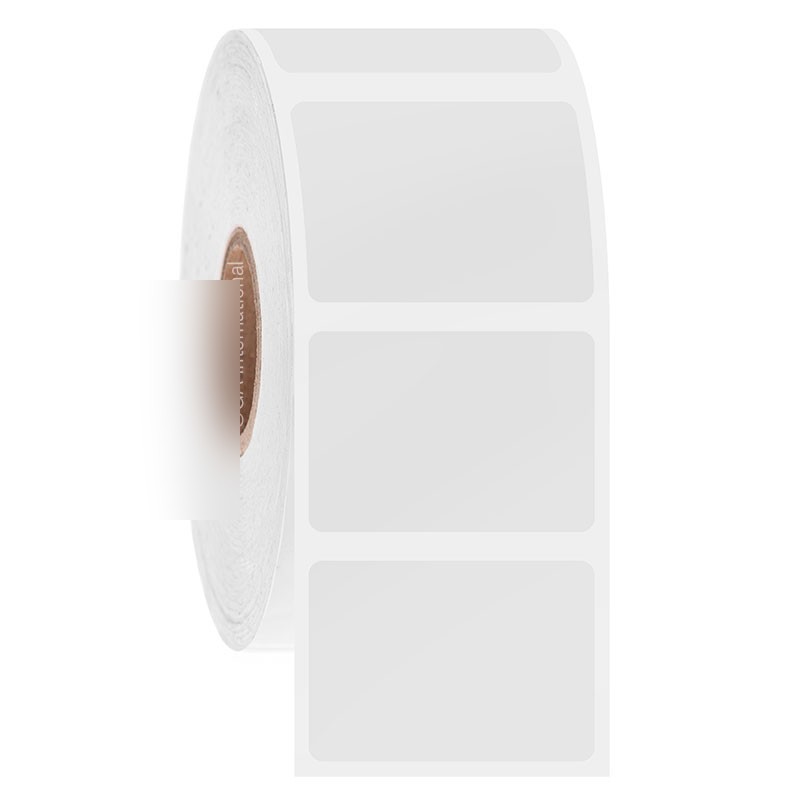
RFID Cryogenic Specimen Labels
RFID cryogenic labels survive liquid nitrogen storage (−196 °C immersion + vapour phase), ultra-low freezers (−80 °C), autoclave (+121 °C)...
Explore RFID Cryogenic Specimen Labels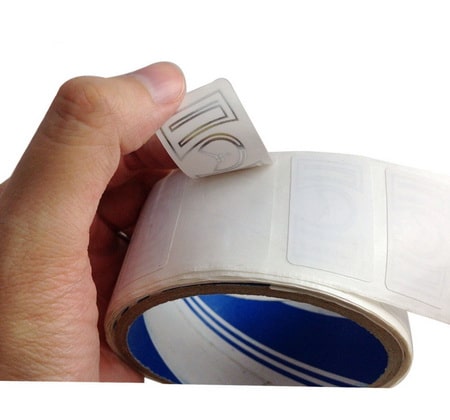
RFID Document Tracking Label
In specification terms, RFID document tracking labels carry an Impinj M730 / NXP UCODE 8 (UHF, 1-3 m room-level) or NTAG213 / ICODE SLIX2 (...
Explore RFID Document Tracking Label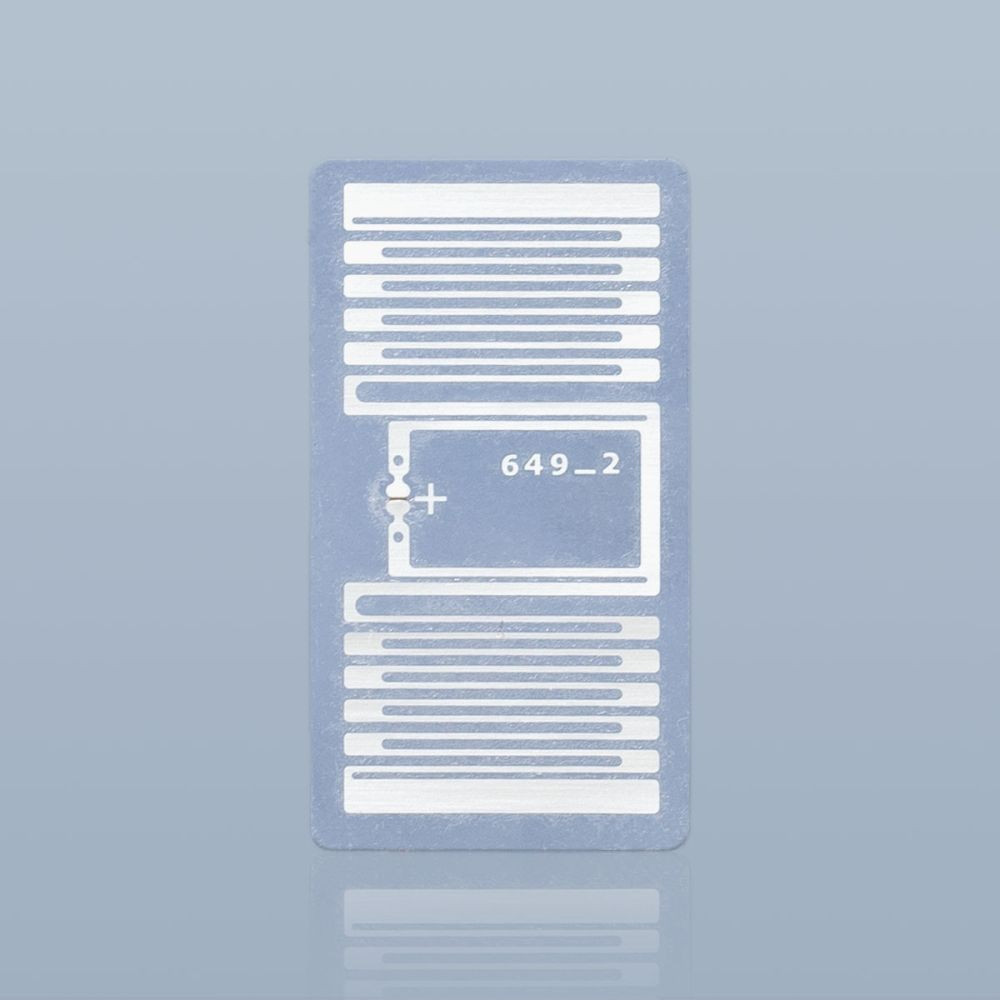
RFID Dry Inlay (UHF)
In specification terms, RFID dry inlays are bare chip-on-antenna assemblies on 23-50 µm PET (or 75 µm polyimide / PEN for high-temperature)...
Explore RFID Dry Inlay (UHF)
RFID Frozen Food Label
RFID frozen food labels are passive UHF tags (ISO/IEC 18000-63 EPC Gen2v2) on cryo-grade acrylic adhesive + moisture-barrier PET that hold...
Explore RFID Frozen Food Label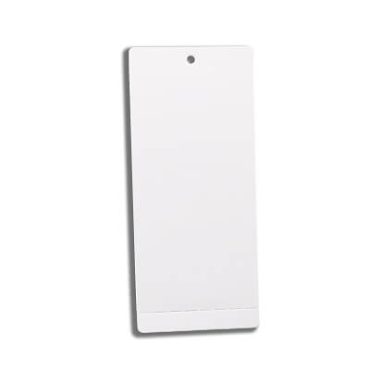
RFID Garment Source Tag
RFID garment source tags are factory-applied during garment manufacturing, embedding item-level RFID into every garment before it enters th...
Explore RFID Garment Source Tag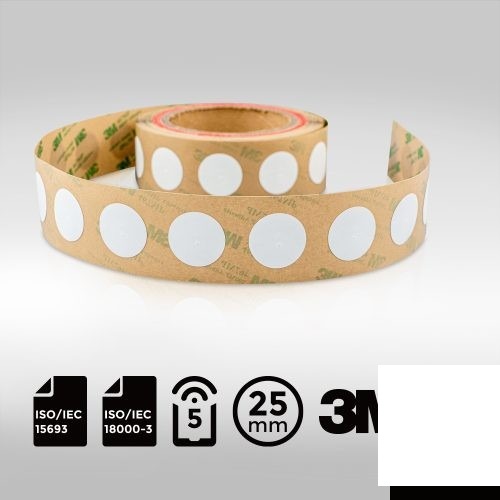
RFID Medication Vial & Syringe Labels
RFID medication labels enable item-level SGTIN-96 serialised tracking of drug vials, syringes, ampoules and IV bags — supporting US FDA DSC...
Explore RFID Medication Vial & Syringe Labels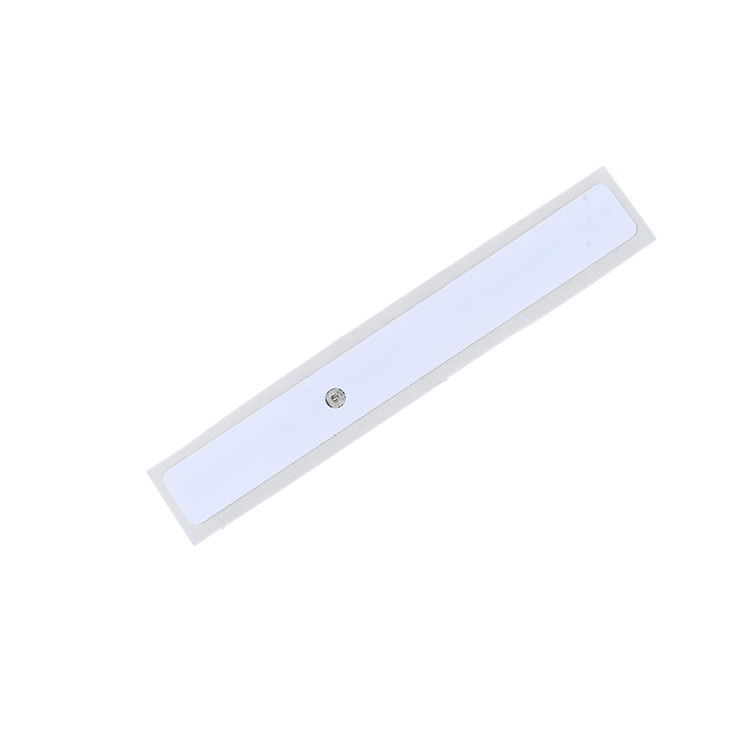
RFID Plant Nursery Label
RFID plant nursery labels are passive UHF tags (ISO/IEC 18000-63 EPC Gen2v2) on UV-stabilised polypropylene + outdoor-rated acrylic adhesiv...
Explore RFID Plant Nursery Label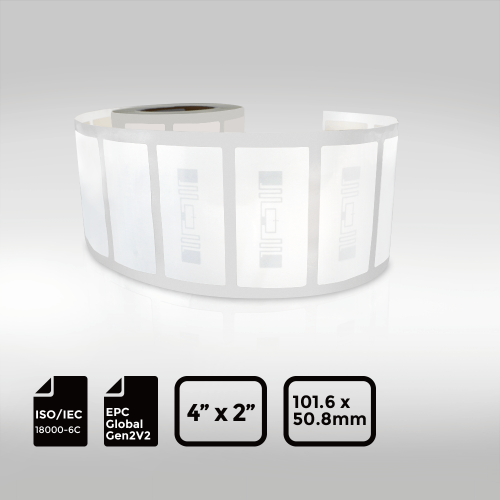
RFID Shipping Label
On the bench, RFID shipping labels embed a UHF RFID inlay (Impinj M730 / M750 / NXP UCODE 9) into a standard 4×6 inch thermal shipping labe...
Explore RFID Shipping Label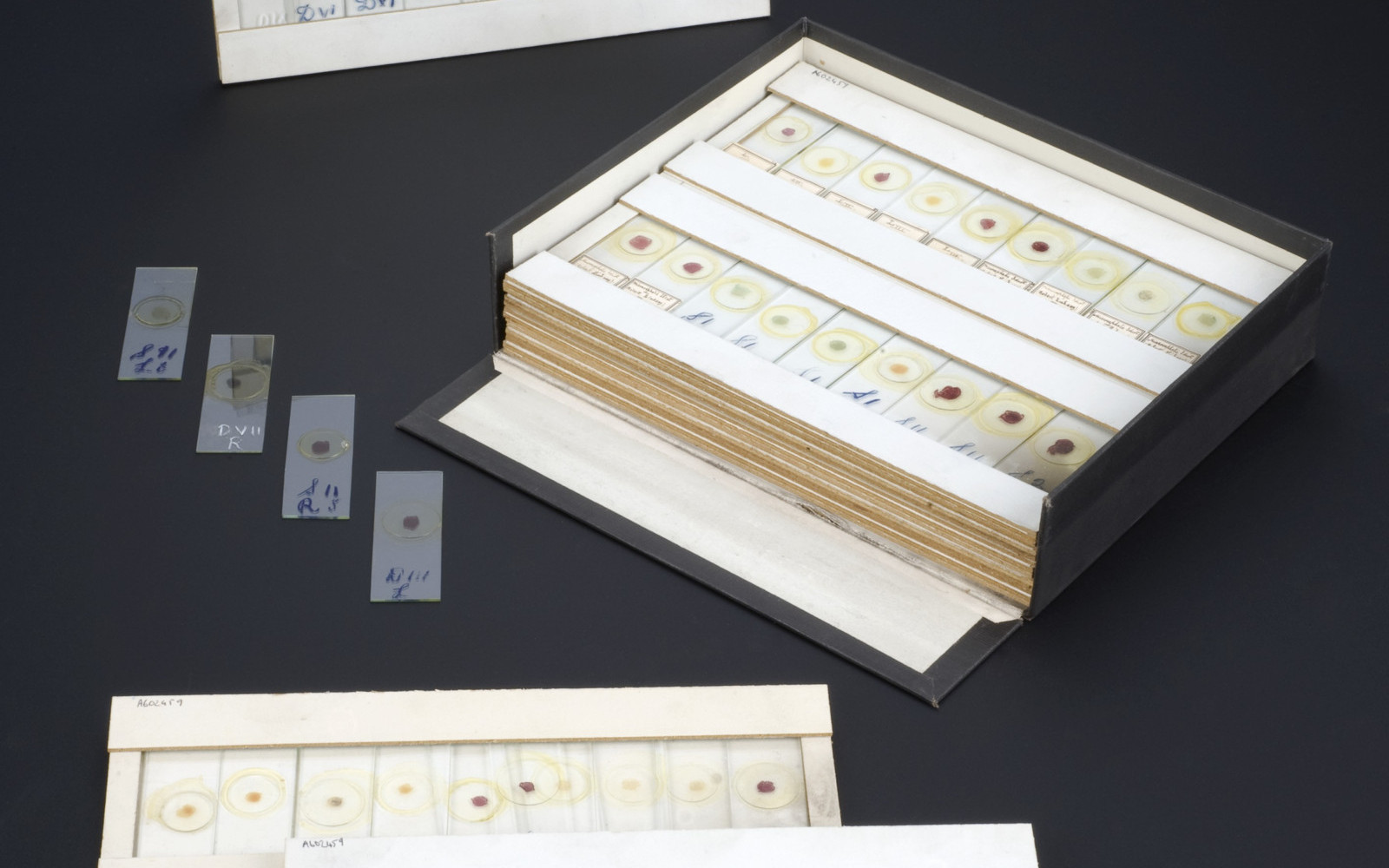
RFID Specimen Slide Label
RFID specimen slide labels carry a NTAG210μ / NTAG213 NFC chip on an ultra-thin (<0.15 mm) PET label sized for the frosted end of a standar...
Explore RFID Specimen Slide Label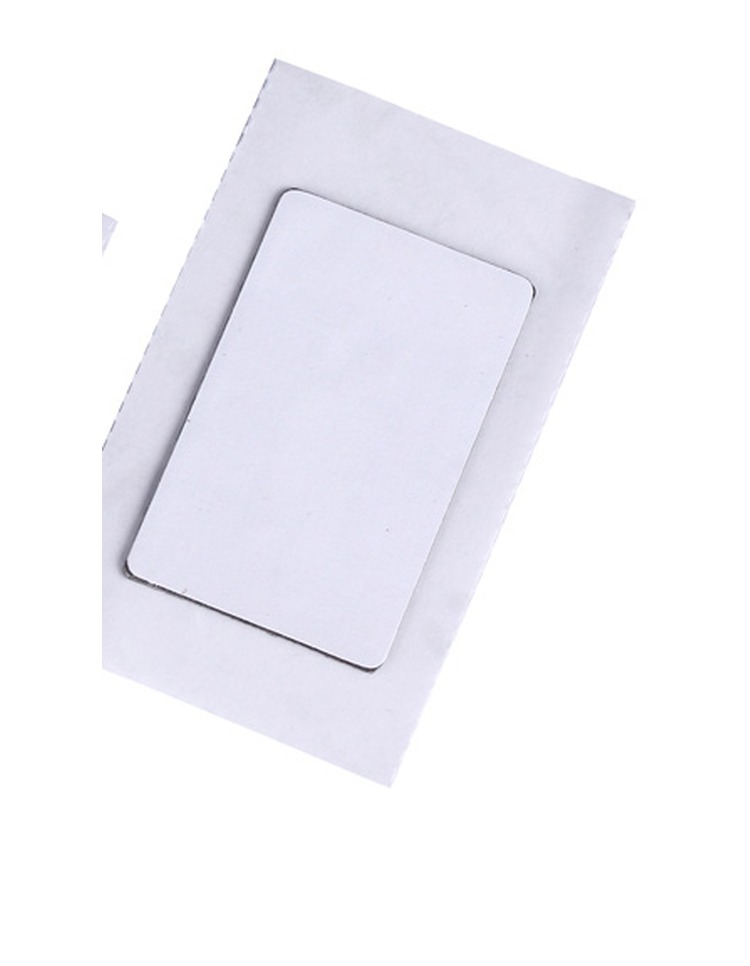
RFID Tamper-Evident Label
RFID tamper-evident labels combine an NFC chip with two distinct tamper-detection mechanisms — destructive-antenna (binary alive / dead. An...
Explore RFID Tamper-Evident Label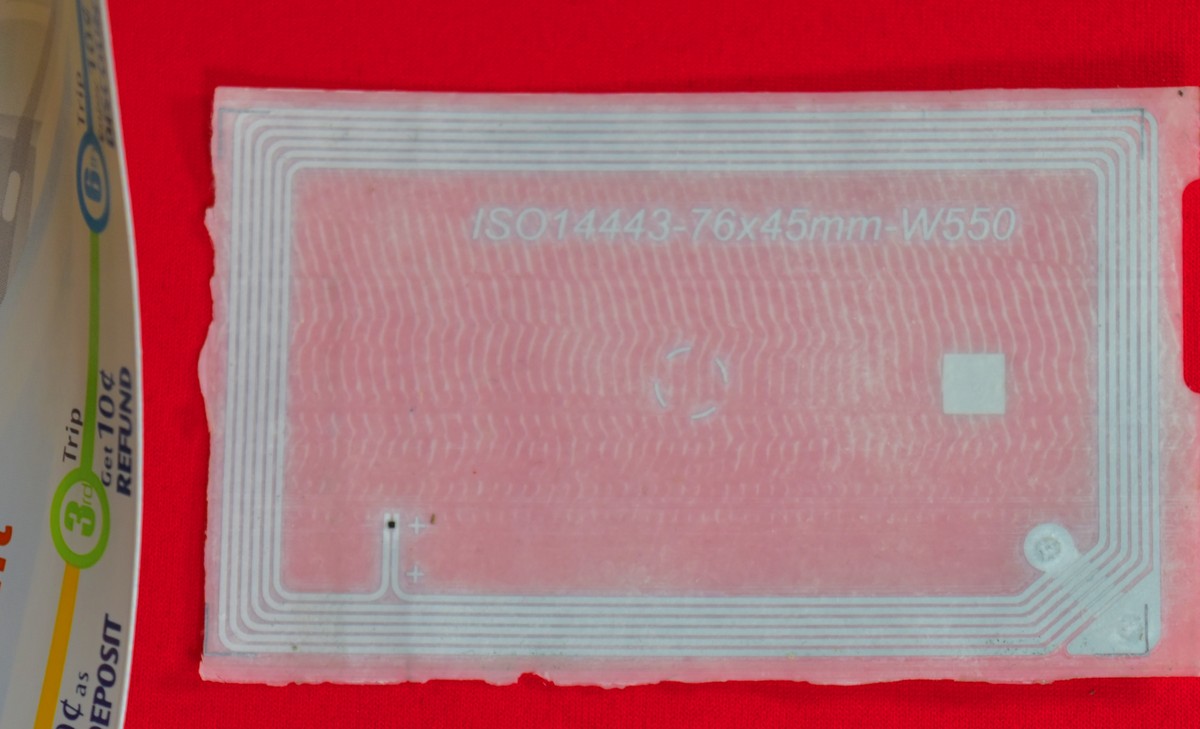
RFID Wet Inlay (UHF)
RFID wet inlays are pressure-sensitive chip-on-antenna components on 23-50 µm PET film with permanent acrylic PSA + 61 gsm yellow glassine...
Explore RFID Wet Inlay (UHF)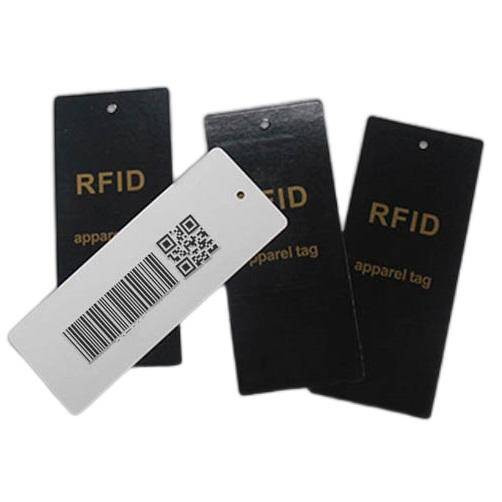
UHF RFID Apparel Hang Tag
UHF RFID apparel hang tags embed an EPC Gen2v2 inlay (Impinj M730/M750/M770 or NXP UCODE 9) inside a printed cardboard or synthetic hang ta...
Explore UHF RFID Apparel Hang Tag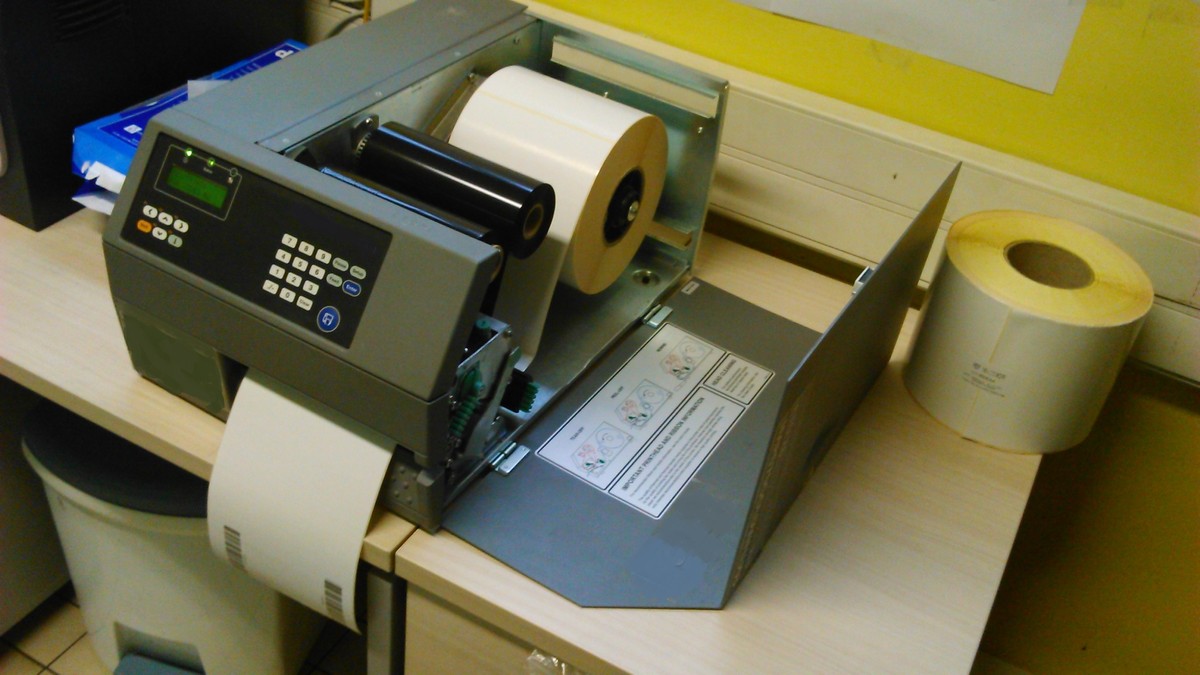
UHF RFID Blank Label
UHF RFID blank labels are pre-made label rolls with embedded UHF RFID inlays and a blank printable face — ready to load into your Zebra ZT4...
Explore UHF RFID Blank Label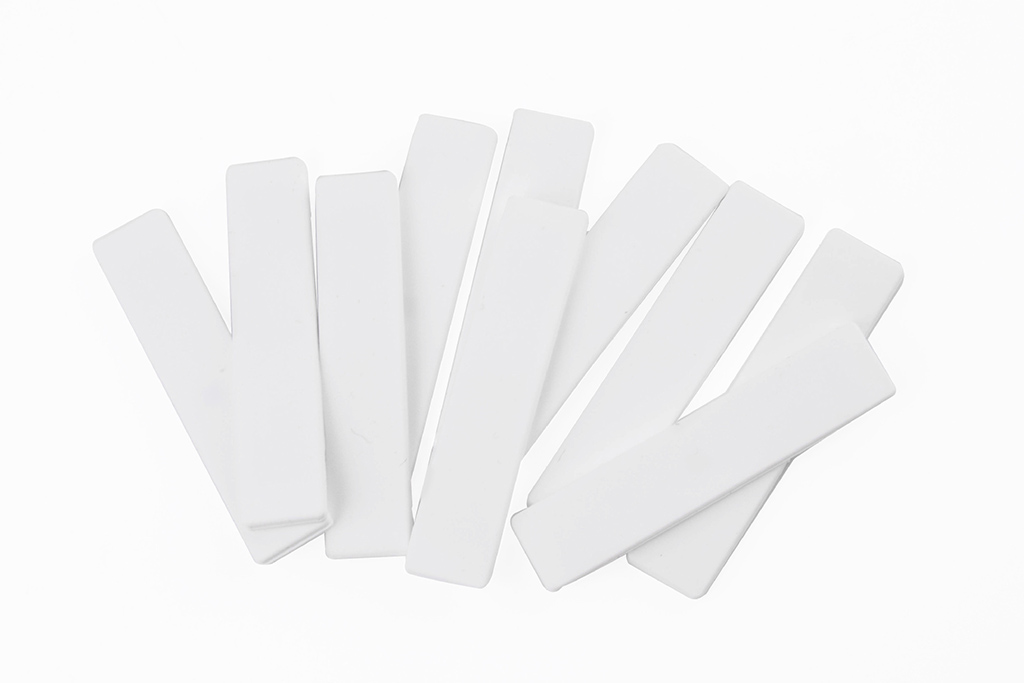
UHF RFID Blood Bag Label
UHF RFID blood bag labels carry an Impinj M730 / M750 / M770 (or NXP UCODE 9xm / Alien Higgs-9) chip programmed with ISBT 128 Donation Iden...
Explore UHF RFID Blood Bag Label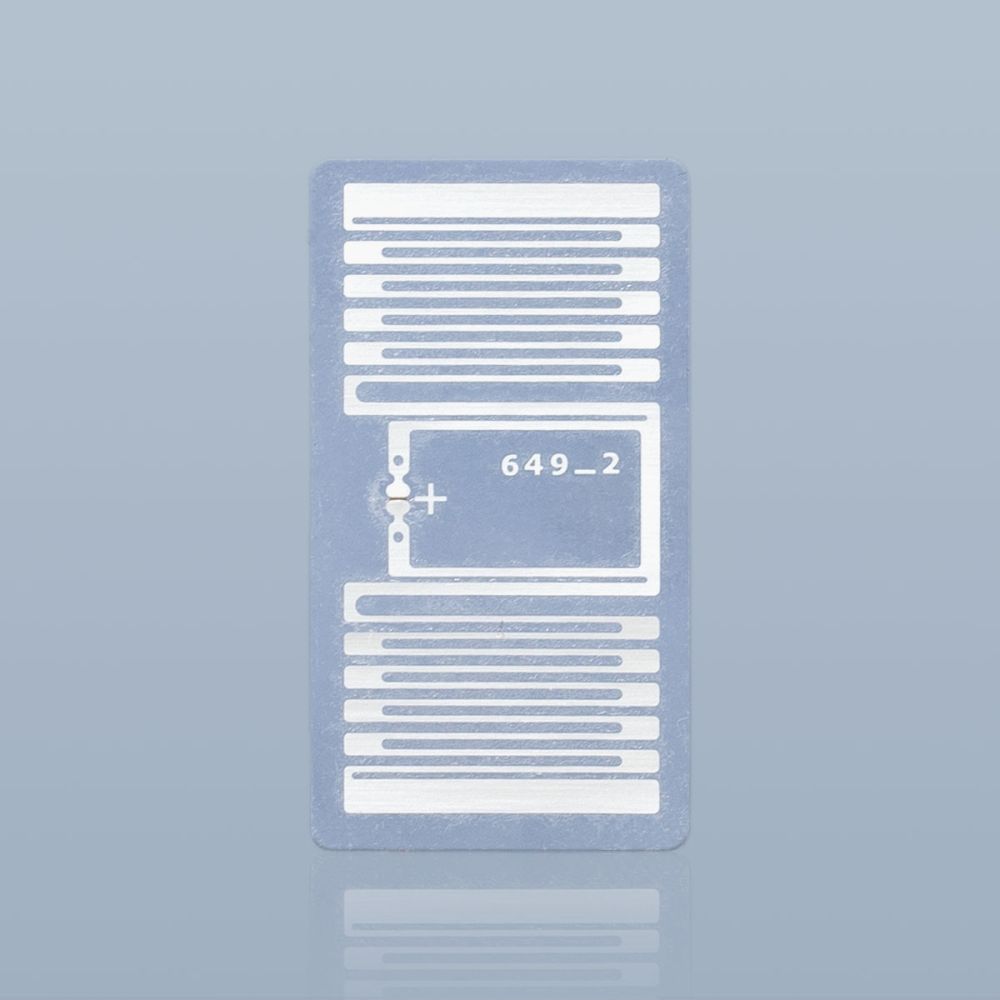
UHF RFID Inlay
UHF RFID inlays are the chip-on-antenna passive component supplied on PET film at 2,000-20,000 inlays per roll for label converters, hang-t...
Explore UHF RFID Inlay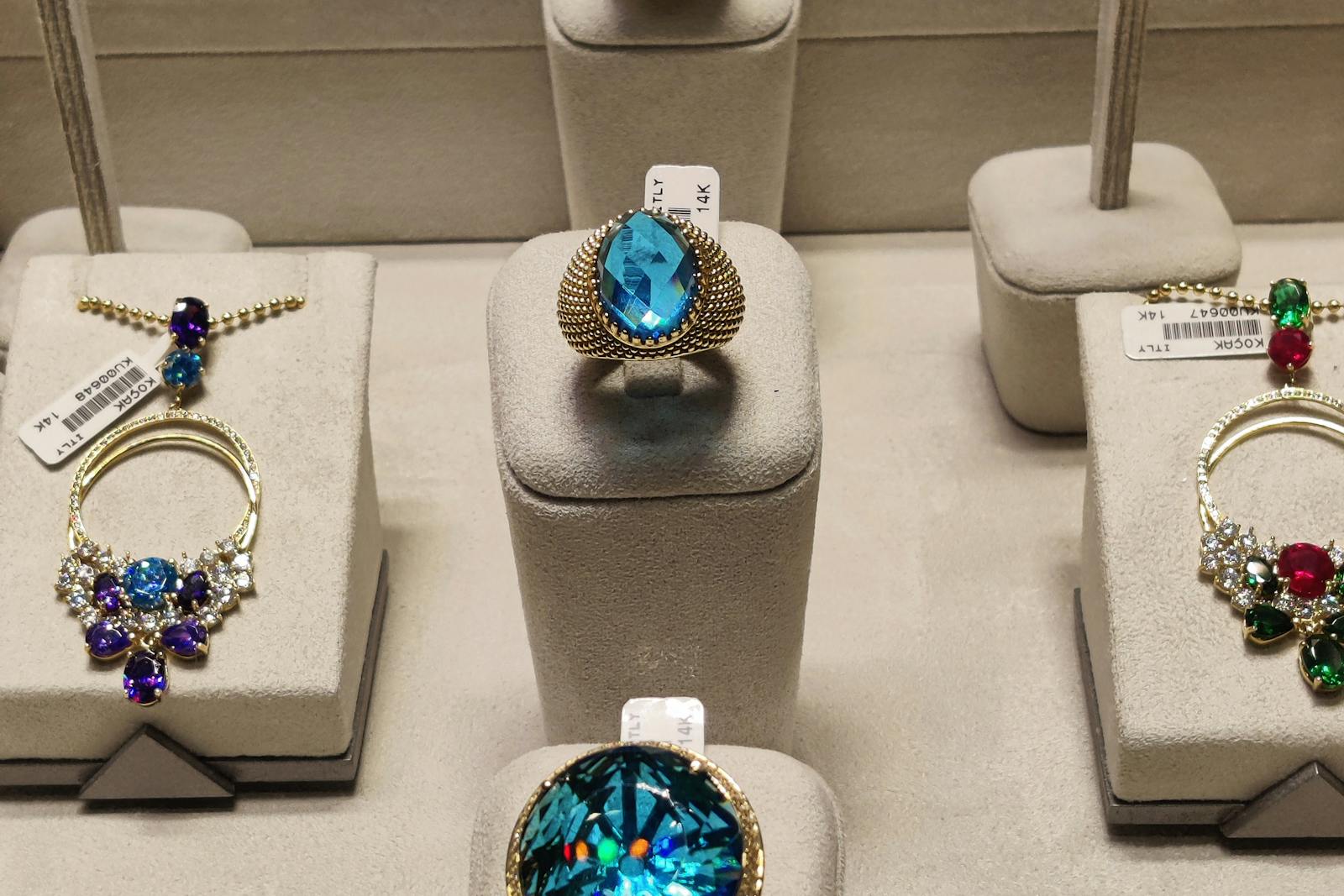
UHF RFID Jewelry Label
UHF RFID jewelry labels are ultra-compact 12×60 mm barbell-style tags that hang from rings, necklaces, bracelets and watches without obscur...
Explore UHF RFID Jewelry Label
UHF RFID Pallet Label
UHF RFID pallet labels embed an Impinj M730 / NXP UCODE 8 chip on a large-format 100×150 mm reinforced PET label — automating pallet-level...
Explore UHF RFID Pallet Label
UHF RFID Paper Label
UHF RFID paper labels combine printable thermal-transfer or direct-thermal paper face stock with an embedded UHF RFID inlay (Impinj Monza R...
Explore UHF RFID Paper Label
UHF RFID Retail Price Label
At BOM level, UHF RFID retail price labels combine printed UPC/EAN + GS1 DataMatrix Digital Link + RAIN RFID inlay (Impinj M730 / NXP UCODE...
Explore UHF RFID Retail Price Label
UHF RFID Tire Label
UHF RFID tire labels are embedded between tire plies during the green-tire build stage and survive the 170-200 °C / 15-25 bar / 12-20 minut...
Explore UHF RFID Tire Label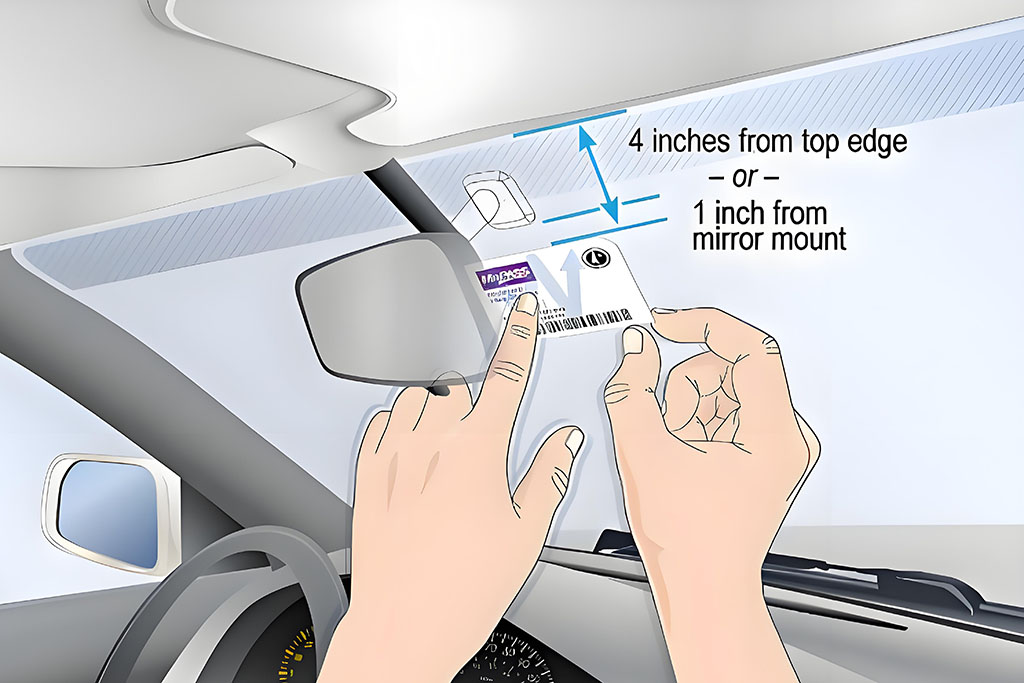
UHF RFID Windshield Label
Passive UHF RFID windshield labels (ISO/IEC 18000-63 EPC Gen2v2) adhere to the inside of a vehicle windshield and identify the vehicle hand...
Explore UHF RFID Windshield LabelAt a glance
Use these short answers to decide whether this page matches the project before moving into the detail.
Key takeaway
58 RFID label, inlay and smart-label SKUs in one catalogue. NTAG213/215/216/424 DNA NFC labels, Impinj M700/M750/M800, NXP UCODE 8/8m/9 and Alien Higgs-9 UHF inlays, industry-specific labels for tire, airline baggage, DPP, battery passport and luxury authentication.
What is an RFID label or inlay?
An RFID label is a finished, printable smart label that looks and behaves like a conventional barcode label. Except that a thin RFID chip and antenna (the inlay) is lami...
Next step
Ready to move forward? Start your inquiry to get specific answers for this project.
Request label samples & a quoteWhat is an RFID label or inlay?
An RFID label is a finished, printable smart label that looks and behaves like a conventional barcode label. Except that a thin RFID chip and antenna (the inlay) is laminated between the face stock and the adhesive, turning every label into an individually addressable wireless transponder.
The RFID label industry developed in the early 2000s when EPCglobal ratified the Class-1 Generation-2 (Gen2) air-interface protocol in 2004 — the same protocol today maintained by GS1 as ISO/IEC 18000-63. Walmart's 2005 supplier mandate, the US Department of Defense RFID mandate the same year, and the subsequent rollout of item-level tagging in retail apparel (starting with Marks & Spencer and Macy's around 2010) converted RFID labels from a supply-chain novelty into a high-volume commodity. Industry trackers (RAIN RFID Alliance membership reports, IDTechEx annual RFID forecasts and GS1 Digital Link adoption surveys) now measure annual UHF inlay shipments in the tens of billions of units per year.
In 2024-2026 three parallel forces are pushing RFID label demand into new verticals: the EU Digital Product Passport (DPP) framework under the Ecodesign for Sustainable Products Regulation (ESPR), the EU Battery Regulation 2023/1542 requiring a unique digital identifier on every industrial and EV battery, and the IATA Resolution 753 / UHF baggage-tag programme reaching 100% of major airline hubs.
- A wet inlay is a chip-plus-antenna on PET film with a pressure-sensitive acrylic adhesive and release liner. Ready to stick onto any substrate or laminate into a label. This is the dominant converter component.
- A dry inlay is the same chip-plus-antenna on PET but without adhesive. Designed to be laminated between card or tag layers using heat/pressure bonding (typical for ID cards, hotel keys and thick asset tags).
- A finished RFID label adds a printable face stock (thermal-transfer paper, synthetic or BOPP) over the inlay plus a liner. So it can be printed, encoded and die-cut on a standard thermal-transfer RFID printer.
- An NFC sticker is a special case of finished label: a 13.56 MHz inlay in a small round or square form factor, usually face-printed, for consumer tap-to-read applications (URLs, Google review links, social media, vCard).
How RFID labels work — HF vs UHF and read-range fundamentals
Every RFID label falls into one of two physical-layer families: near-field (HF, 13.56 MHz) or far-field (UHF, 860-960 MHz). The choice between them is the single most important technical decision for any label deployment. And it is dictated by reader distance, material environment and chip cost.
- Low-Frequency (LF) labels operate at 125-134.2 kHz per ISO/IEC 18000-2 and ISO 11784/11785 (animal ID). Near-field inductive coupling, typical read range <10 cm, excellent performance around metal and liquid, but effectively no RFID-label market. LF is almost exclusively tags, cards and keyfobs.
- High-Frequency (HF) NFC labels operate at 13.56 MHz under ISO/IEC 14443-3 Type A/B (passports, MIFARE), ISO/IEC 15693 (item management, libraries) and the NFC Forum Type 2/4/5 tag specs. Read range 0-10 cm from a smartphone or desktop reader. Typical chips: NXP NTAG213 (144 byte), NTAG215 (504 byte), NTAG216 (888 byte), NTAG424 DNA (416 byte with AES-128 SUN authentication), MIFARE Ultralight EV1, ICODE SLIX2.
- Ultra-High-Frequency (UHF, also called RAIN RFID) labels operate at 860-960 MHz under ISO/IEC 18000-63 and EPCglobal Gen2 v3. Read range 3-15 m from a fixed reader and 1-8 m from a handheld, depending on antenna, reader transmit power (FCC Part 15 allows up to +36 dBm EIRP in the US 902-928 MHz band; ETSI EN 302 208 allows +33 dBm ERP in the EU 865.6-867.6 MHz band) and tag sensitivity (modern chips reach -22 dBm / 6.3 μW).
- Chip memory on a typical UHF RFID label: 96-128 bit EPC, 96-bit TID (with 32-48 bit factory-locked unique-serial portion — Impinj M700 / NXP UCODE 9 / Monza R6 all carry 96-bit TID per their datasheets) and optional 64-512 bit user memory per the GS1 EPC Tag Data Standard (TDS) 2.0. NFC Forum Type 2 labels expose the chip memory as a flat NDEF byte array, addressable by any smartphone.
Types of RFID labels & inlays
Proud Tek supplies five major sub-categories of RFID labels. Every SKU page below links back to this pillar and carries its own spec sheet, chip details, applications and FAQ.
- UHF RFID inlays: Impinj M700 family overview, Impinj M730 (cost-optimized retail), Impinj M750 (Authenticate + Untraceable), Impinj M800 (next-gen), Alien Higgs-9, NXP UCODE 8/8m/9 mixed UHF inlay. Ready for retail, logistics, tire and apparel. See the full 4-way UHF chip comparison to choose the right silicon.
- NFC stickers (NTAG family). NTAG213 144-byte NFC sticker, NTAG215 504-byte, NTAG216 888-byte, NTAG424 DNA tamper-evident tag, NFC anti-metal sticker.
- Wet & dry inlay building blocks. RFID wet inlay, RFID dry inlay, NFC wet inlay, NFC dry inlay.
- Industry-specific finished labels. UHF tire vulcanization label, RFID airline baggage tag (IATA 753), UHF pallet label, RFID shipping label, RFID garment source tag, UHF apparel hang tag retail, RFID jewelry label, UHF retail price label, UHF blood-bag label, RFID medication vial label, RFID cryogenic specimen label, RFID book-spine label, RFID asset label, RFID document tracking label, UHF blank RFID label, UHF paper label, UHF windshield label, Long-range UHF windshield sticker, RFID frozen food label, RFID plant nursery label, RFID specimen slide label, RFID tamper-evident label.
- Authentication, brand-protection & DPP labels. NFC digital product passport tag, NFC battery passport tag, NFC luxury handbag tag, NFC sneaker authentication tag, NFC cosmetics authentication label, NFC wine bottle tag, NFC spirits authentication label, NFC olive oil authentication label, NFC pharmaceutical label, NFC cannabis tracking label, NFC electronics warranty label, NFC warranty seal tag, NFC food traceability label, NFC art provenance tag, NFC smart poster tag, NFC shelf label, NFC event ticket sticker, NFC gaming collectible tag, NFC social media tag, NFC tap-to-pay sticker, NFC table stand.
Label-type comparison matrix
Use this table to narrow in on the right label family for a project before you move into chip-level selection.
| Label family | Frequency | Typical read range | Representative chip | Best for |
|---|---|---|---|---|
| NFC sticker (NTAG213) | 13.56 MHz | 0-3 cm from phone | NXP NTAG213 (144 B) | URL / Google review / vCard taps |
| NFC sticker (NTAG215/216) | 13.56 MHz | 0-3 cm from phone | NTAG215 (504 B), NTAG216 (888 B) | Amiibo, longer URL, small NDEF payload |
| NFC tamper-evident | 13.56 MHz | 0-3 cm | NTAG424 DNA with AES-128 SUN | Luxury auth, DPP, anti-counterfeit |
| HF library label (ICODE SLIX2) | 13.56 MHz | 0-50 cm (ISO 15693) | NXP ICODE SLIX2 per ISO 28560 | Library book circulation |
| UHF retail price/apparel label | 860-960 MHz | 3-8 m fixed, 1-4 m handheld | Impinj M750 / Monza R6-P / UCODE 9 | Retail inventory, RFID self-checkout |
| UHF logistics pallet label | 860-960 MHz | 4-12 m fixed | Monza R6 / Alien Higgs-9 on long antenna | Dock-door portal, pallet in/out |
| UHF tire vulcanization label | 860-960 MHz | 2-4 m | Higgs-EC / UCODE 8m (high-temp bond) | Tire OEM traceability, EU tire reg |
| UHF on-metal / windshield | 860-960 MHz | 3-10 m (spacer) | Impinj M800 / UCODE 9 with foam | Vehicle ID, toll, fleet, IT asset |
Choosing the right RFID label
A reliable label-selection process walks through five decisions in order. Skipping any of them is the most common cause of field failures.
- 1. Frequency: NFC (13.56 MHz) if a smartphone is the primary reader or you need reliable 0-5 cm authentication; UHF (860-960 MHz) if you need multi-metre, bulk reading, pallet, portal or retail inventory.
- 2. Chip: match required memory, security and lifetime. For URLs use NTAG213 (cheapest) or NTAG216 (longer URL). For authentication and DPP use NTAG424 DNA (AES-128 SUN) or ICODE DNA. For UHF retail use Impinj M750, NXP UCODE 9 or Monza R6-P. For long-range asset use Impinj M800 or Alien Higgs-9.
- 3. Surface material: RF propagates very differently over metal and liquid. Ordinary paper labels detune badly on metal; specify an on-metal inlay with a foam spacer (minimum 2-3 mm air gap) or a dedicated anti-metal tag.
- 4. Environment: temperature, humidity, chemicals and mechanical stress define the adhesive and face stock. Cold chain (-40 °C) needs freezer-grade acrylic; autoclave (134 °C) needs silicone or PI; outdoor needs UV-stable BOPP or PET.
- 5. Regulatory region: FCC Part 15 (902-928 MHz) in North America, ETSI EN 302 208 (865.6-867.6 MHz) in Europe, SRRC (920-925 MHz) in mainland China, ARIB STD-T106 (916.7-920.9 MHz) in Japan. Any modern UCODE or Monza chip supports the global 860-960 MHz band, but antenna tuning is region-optimised.
Standards & compliance
Every Proud Tek label is designed, manufactured and tested against the following standards. Citation numbers are included so your compliance team can cross-reference directly.
- ISO/IEC 18000-63:2021 — UHF air-interface protocol (the ISO layer of the EPCglobal Gen2 v3 specification).
- EPCglobal Class-1 Generation-2 UHF RFID Protocol v3.0.0 — maintained by GS1 and the normative reference for every modern UHF label.
- ISO/IEC 14443-3:2018 — HF proximity cards & tags, 13.56 MHz Type A/B anticollision (NFC Forum Type 4 tag platform, NTAG424 DNA).
- ISO/IEC 15693:2018 — HF vicinity cards, 13.56 MHz, 0-1 m read range (NFC Forum Type 5, ICODE SLIX/SLIX2/DNA, library ISO 28560).
- GS1 EPC Tag Data Standard (TDS) 2.0 — binary encoding for SGTIN, SSCC, GRAI, GIAI and the Digital Link URI used on DPP labels.
- GS1 EPC Tag Data Translation (TDT). XML bindings that connect TDS binary to GS1 Digital Link URLs for DPP.
- NFC Forum Type 2 Tag Specification v1.2 — NDEF addressing for NTAG213/215/216.
- FCC 47 CFR Part 15.247 — US 902-928 MHz ISM regulation (+36 dBm EIRP, frequency-hopping).
- ETSI EN 302 208 v3.3.1 — EU 865-868 MHz UHF RFID (+33 dBm ERP, 4 sub-bands listen-before-talk).
- ISO/IEC 19762 — RFID vocabulary (used in compliance documents and by the IATA RP 1740c baggage specification).
- IATA Resolution 753 — airline baggage tracking; requires UHF RFID baggage labels at 100% of hub airports by the latest roadmap.
Applications by industry
RFID labels are deployed across every major industry. The links below lead to full industry pages showing typical deployment patterns, integrator partners and relevant SKUs.
- Retail apparel. Leading global apparel retailers (Uniqlo, Decathlon, Macy's, Inditex and Lululemon have all publicly disclosed RFID programmes per their annual reports and Auburn University RFID Lab case studies) run item-level UHF tagging on apparel hang tags and source tags at near-catalogue coverage.
- Logistics & supply chain. Pallet, SSCC carton and shipping labels under GS1 EPCIS. DHL and FedEx dock-door portals routinely read at 4-10 m.
- Healthcare & pharma. Blood-bag labels (ISBT 128), medication vial labels, cryogenic specimen labels and surgical tray labels.
- Brand protection & luxury and luxury brands. NTAG424 DNA SUN-encoded tamper-evident labels for handbag, sneaker, wine, spirits and cosmetics authentication.
- EU compliance. Digital Product Passport (DPP) and Battery Passport NFC labels carrying a GS1 Digital Link URI resolvable per ISO/IEC 18975 / the EU ESPR 2024/1781 framework.
- Libraries: ICODE SLIX2 NFC Forum Type 5 labels per ISO 28560 for book circulation and RFID self-checkout.
Common pitfalls
The top field-failure modes Proud Tek engineering has observed over the last decade, summarised so they can be avoided in the specification stage.
- Specifying a standard UHF inlay for a metal surface. The antenna detunes by tens of dB and the label effectively does not read. Use an on-metal inlay with a foam spacer.
- Using an NFC sticker too close to liquid. Water absorbs 13.56 MHz strongly; place the label above, not beside, a filled bottle.
- Assuming a cold-chain label will survive without a freezer-grade acrylic adhesive. General-purpose adhesive fails below -20 °C.
- Buying an inlay without a TID-based GS1 serialisation plan. A printer encoding only the EPC produces non-unique tags that collide in the portal.
- Missing region-specific reader-side regulation. A tag optimised for ETSI EN 302 208 (865-868 MHz) delivers lower range in the US FCC band (902-928 MHz) and vice versa; always specify the deployment region up front.
Editorial review
This pillar was reviewed in April 2026 by Proud Tek engineering and the ProudTek Editorial Board. Standards numbers, chip part references and frequency-band regulations were cross-checked against the current ISO, GS1, NFC Forum, FCC and ETSI publications as of April 2026.
Useful next pages
Use these linked product, guide and comparison pages to keep the next click specific and practical.
Most-cited inlay & label products
The reference SKU pages most often linked from comparison and guide content.
Reference guides for label buyers
Standards, comparison and integrator-oriented reading.
FAQ
What is the difference between an RFID label and an RFID inlay?
An RFID inlay is the semi-finished component: a chip bump-bonded to an etched or printed antenna on a PET film substrate, supplied as either a wet inlay (with pressure-sensitive adhesive and release liner) or a dry inlay (no adhesive, for lamination into cards or tags). An RFID label is the finished product. An inlay laminated between a printable face stock (thermal-transfer paper, synthetic or BOPP) and a liner, so it can be printed, encoded and applied like a conventional barcode label on a Zebra, SATO or Printronix thermal-transfer RFID printer. Label converters buy inlays as a component; end users buy finished labels.
What read range can I expect from an RFID label?
It depends on frequency, chip sensitivity, antenna, reader power and the tagged material. Typical NFC stickers (13.56 MHz, NTAG213) read 0-3 cm from a smartphone. UHF retail labels (Impinj M750, UCODE 9) read 3-8 m from a fixed reader and 1-4 m from a handheld in free space. UHF pallet labels with larger antennas (Monza R6, Alien Higgs-9) read 4-12 m at a dock-door portal. Read range drops sharply on metal or over liquid unless you specify an on-metal or anti-metal inlay with a 2-3 mm foam spacer. Expect roughly 30-50% of the free-space range on a metal surface with a correctly specified on-metal label.
Which chip should I specify for a new UHF RFID label project?
For general retail apparel and item-level tagging, Impinj M750 (-22.1 dBm) or NXP UCODE 9 (-23.5 dBm best-in-class) are the current 2026-era workhorses. They offer 96-128 bit EPC, 96-bit TID (with 48-bit unique serial per Impinj/NXP datasheets) and GS1 TDS 2.0 compliance at commodity pricing. For long-range asset and logistics, Impinj M830-family (-25.5 dBm) or Alien Higgs-9 (-23.2 dBm) deliver the sensitivity step-up. For tire vulcanisation (170-200 °C × 40 min), Impinj Monza R6-P is the only mainstream RAIN chip qualified for sustained tire-cure — NXP UCODE 8m and Alien Higgs-EC are rated -40 to +85 °C per NXP / Alien datasheets and are NOT tire-cure qualified. For the smallest form factors (jewelry, medical vial), NXP UCODE 8 or Impinj Monza R6-P support antennas as small as 7×7 mm.
Do NFC labels work with every smartphone?
Every smartphone with an NFC controller — iPhone 7 (2016) and later and every NFC-enabled Android from 2012 onwards — can read an NDEF-encoded NTAG213/215/216 or MIFARE Ultralight EV1 sticker without any app. On iOS the phone must be unlocked; the tap surface is at the top of the phone back cover. On Android the NFC antenna location varies by model but is typically on the upper back. iPhone XS and later read tags automatically via background tag-reading; earlier iPhones (7, 8, X) require the user to open the native Camera / Control Center NFC reader.
Can RFID labels be pre-encoded before shipment?
Yes, this is standard for any production run above a few thousand units. Proud Tek pre-encodes EPC values per your GS1 SGTIN, SSCC, GRAI or GIAI scheme using the TID as the serialisation seed, programs NFC NDEF payloads (URL, vCard, GS1 Digital Link) and locks access passwords per ISO/IEC 18000-63 §6.3.2.10 as required. Encoding data is supplied via CSV, API or EPC generator script. Pre-encoding typically adds 1-3 business days to lead time and is strongly recommended over on-site encoding, which caps converting-line throughput at the encoder speed (typically 4-12 labels/second).
What is the minimum order quantity (MOQ) for custom RFID labels?
MOQ depends on the level of customisation. Standard NTAG213/215 NFC stickers from stock: 100 pieces. Standard UHF inlays from stock: 1,000 pieces. Custom antenna design or custom face-stock print: 10,000 pieces is the typical minimum so that the one-time tooling (etched-antenna master or print plate) can be amortised. Custom chip + custom antenna + custom face stock + custom pre-encoding together typically justify 25,000 pieces as the minimum economical run. Samples and sample rolls are always available without MOQ.
How are RFID labels tested during production?
Every inlay is 100% read-tested inline during antenna bonding. Any unit that fails to respond to the inline RFID reader or falls below the minimum sensitivity threshold is marked with a reject flag and skipped by the converting line. In addition Proud Tek runs lot-level statistical testing for read-range Cpk (target >1.33), adhesive 180° peel strength (target >15 N/25 mm on steel), accelerated environmental exposure (85 °C / 85% RH for 500 h) and retention-after-autoclave (for medical SKUs). Test reports aligned to ISO/IEC 18046-3 sensitivity testing methodology accompany every production lot.
Are RFID labels reusable?
Technically the chip and antenna survive many thousand read-write cycles. Most modern NFC and UHF chips are specified for 100,000 EEPROM writes per ISO/IEC 14443-4 endurance testing. In practice the label face stock, adhesive and physical form factor limit reuse. Adhesive wet-inlay labels on a retail garment are single-use; encapsulated tags (hard tags, laundry PPS chips, ceramic tags. See [RFID tags](/products/rfid-tags/)) are fully reusable and are the right choice when the application requires repeated read-write cycles or survival through industrial laundry, autoclave or mechanical stress.
Sources & references
Primary standards, OEM datasheets and regulatory documents cited by this article. All URLs were verified on the access date shown below.
- ISO/IEC 18000-63:2021 — Parameters for air interface communications at 860 MHz to 960 MHz Type C
Normative ISO layer of the EPCglobal Gen2 v3 UHF air-interface protocol cited across UHF inlay and label SKUs.
- EPCglobal UHF Class-1 Generation-2 Air Interface Protocol v3.0.0 (Gen2v3)
Industry specification maintained by GS1; normative reference for every modern UHF inlay and RFID label.
- ISO/IEC 14443-3:2018 — Identification cards — Contactless integrated circuit cards — Proximity cards — Part 3: Initialization and anticollision
HF 13.56 MHz Type A/B anticollision cited for NTAG213/215/216/424 DNA and NFC Forum Type 4 tag platform.
- ISO/IEC 15693-3:2019 — Identification cards — Contactless integrated circuit cards — Vicinity cards — Part 3: Anticollision and transmission protocol
Vicinity-card protocol underpinning ICODE SLIX/SLIX2 library labels and NFC Forum Type 5 tags.
- GS1 EPC Tag Data Standard (TDS) 2.0
Binary encoding for SGTIN, SSCC, GRAI, GIAI and Digital Link URI used on DPP and retail labels.
Proud Tek is a Shenzhen-based RFID & NFC manufacturer supplying hotel chains, transit operators, event venues and retail brands worldwide. Every order includes free samples, RF testing and dedicated project support.
Get a Quick Quote
Tell us about your project and we'll respond within one business day. Fields marked (asterisk) are required.