
Luxury NFC Authentication
NFC Luxury Authentication (2026)
NTAG 424 DNA SUN + Tamper-Tag (TT) + EU Digital Product Passport (ESPR 2024/1781) + Aura Blockchain / Arianee / VeChain Procurement Guide
Quick answer
Procurement-grade NFC anti-counterfeit + Digital Product Passport (DPP) reference for luxury brand procurement teams at LVMH / Kering / Richemont / OTB / Prada Group / Mercedes-Benz and the supply chain serving them. Maps the regulatory tailwind (EU Regulation 2024/1781 ESPR + textile delegated act adoption 2027 → live 2028; EU DPP rollout phased minimal 2027 / advanced 2030 / full circular 2033) to the chip technology decision (NXP NTAG 424 DNA SUN AES-CMAC clone-proof per-tap signing; NTAG 424 DNA TT tamper-detection wire for unboxing + first-customer activation; STMicroelectronics ST25TV02KC alternative). Covers the three luxury blockchain consortia (Aura Blockchain Consortium with 70 million+ products on-chain end-2024; Arianee with Vacheron Constantin / Breitling / Mercedes-Benz; VeChain with Bvlgari + adidas), the four form-factor decisions (sewn-in label inlay for handbags; caseback adjacent + companion card for watches; tamper-evident hangtag for jewelry; heat-press garment badge for apparel), and the GS1 Digital Link URL syntax (https://brand.com/01/{GTIN}/21/{serial}) used by ESPR as the DPP data carrier.
- EU Regulation 2024/1781 (ESPR) — adopted June 2024 — mandates Digital Product Passports for textiles, footwear, leather and apparel by 2027 (minimal compliance), 2030 (advanced) and 2033 (full circular-economy). LVMH / Kering / Richemont houses are in vendor-selection mode in 2026; the procurement window is now.
- Pick NTAG 424 DNA SUN (or STMicroelectronics ST25TV02KC) as the chip. AES-128 CMAC per-tap signing produces a fresh URL signature every tap; a cloned chip cannot reproduce the cryptographic sequence; server-side validation makes counterfeits detectable in real time.
- Pair with NTAG 424 DNA TT (Tamper Tag, NT4H2421Tx) for unboxing / first-customer activation programmes. The TT wire-loop breaks irreversibly on first opening, flagging factory-fresh vs after-market status to both consumer and brand.
- Blockchain consortium choice is governance, not technology. Aura Blockchain Consortium (LVMH + Prada + Richemont + OTB) for non-profit multi-house consortia; Arianee (Vacheron Constantin, Breitling, Mercedes-Benz) for open-source consortium; VeChain (Bvlgari, adidas) for VeChain Thor blockchain; bespoke for full sovereign control.
Featured Luxury Authentication Products
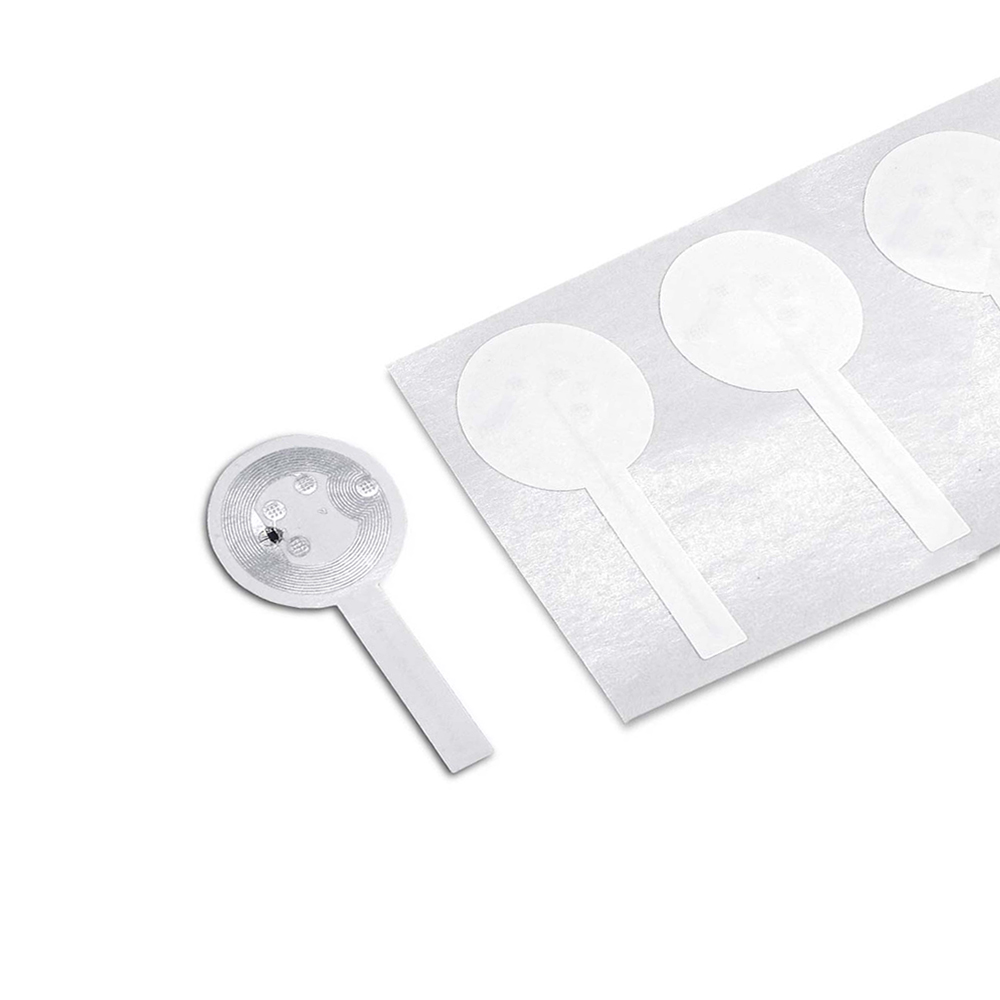
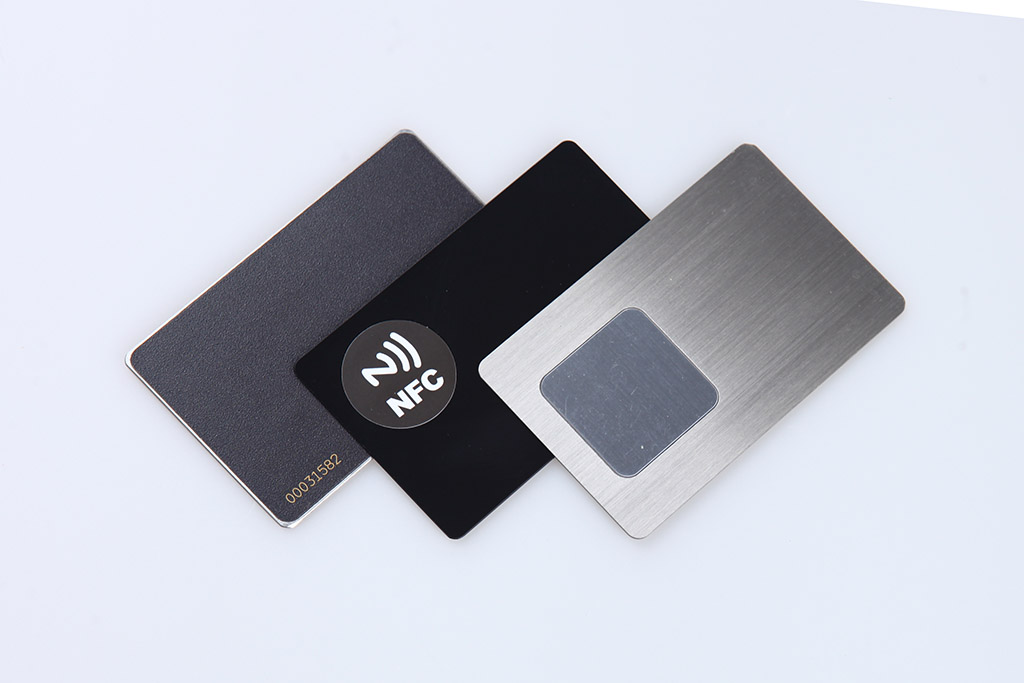
SKUs we typically deploy for luxury authentication. Tap a card for specs and samples.
At a glance
Use these short answers to decide whether this page matches the project before moving into the detail.
Audience
Luxury brand procurement officers at LVMH / Kering / Richemont / OTB / Prada Group / Hermès houses preparing for EU DPP enforcement (2027–2033). Brand protection teams r...
Decision sequence
Regulatory scope: EU DPP timing (textile delegated act 2027 minimal compliance); home-market enforcement (textiles + footwear + leather are first wave); apparel and read...
Next step
Ready to move forward? Start your inquiry to get specific answers for this project.
Get a luxury NFC authentication consultationRegulatory tailwind — EU Digital Product Passport (ESPR Regulation 2024/1781)
The single largest procurement driver for luxury anti-counterfeit NFC in 2026–2028 is not counterfeiting itself — it is the EU's Ecodesign for Sustainable Products Regulation (ESPR), adopted as Regulation (EU) 2024/1781 in June 2024. ESPR mandates Digital Product Passports (DPPs) for textiles, footwear, leather and apparel on a phased timeline. Every luxury house selling into the EU market needs a DPP-compliant authentication architecture before the textile delegated act enforcement window opens.
The phased rollout per EU Commission ESPR Working Plan 2025–2030: (1) **Minimal compliance — 2027.** Textile delegated act expected adoption late 2026 / Q2 2027; 18-month transition window; enforcement 2028. Each product needs a unique digital identifier accessible via NFC tap or QR scan that resolves to product origin, material composition, care instructions, and recyclability. (2) **Advanced compliance — 2030.** Add chain-of-custody data, recycled-content attestation (GRS / RCS), supply-chain due diligence per CSDDD (Corporate Sustainability Due Diligence Directive). (3) **Full circular-economy — 2033.** Add take-back / repair / resale provenance, end-of-life recyclability data, and verified second-hand transfer.
The carrier syntax matters at procurement time. GS1 Digital Link (`https://brand.com/01/{GTIN}/21/{serial}`) is the EU-preferred URL pattern for DPP carriers because it's already a global GS1 standard and degrades gracefully — the same URL works as a QR scan, an NFC tap, and a manual browser entry. NXP, STMicroelectronics, NFC Forum and GS1 have all aligned on this URL syntax for the DPP physical-layer-to-digital-layer bridge.
The luxury procurement consequence: by mid-2026 every LVMH / Kering / Richemont / OTB / Prada Group house has DPP vendor-selection underway. The chip choice (NTAG 424 DNA SUN, optionally TT for tamper-evident), the consortium choice (Aura / Arianee / VeChain / bespoke) and the carrier-syntax decision (GS1 Digital Link) are the three converging procurement gates. Brands waiting until 2027 to start vendor-selection will be late.
Chip choice — NTAG 424 DNA SUN, NTAG 424 DNA TT, ST25TV02KC
Three NFC chips dominate the luxury anti-counterfeit / DPP procurement decision. NXP NTAG 424 DNA is the category default; the TT (Tamper Tag) variant adds a tamper-evident wire loop; STMicroelectronics ST25TV02KC is the alternative supplier with similar AES-128 SUN-equivalent authentication.
- **NXP NTAG 424 DNA (NT4H2421Gx)** — the dominant chip for luxury authentication. Implements Secure Unique NFC (SUN) message authentication: each tap generates a unique URL of the shape `https://brand.com/auth?picc_data={hex}&cmac={hex}` where picc_data encodes the card UID + monotonically incrementing counter, and cmac is an AES-128 CMAC signature over the URL. Both rotate per tap. Server-side validation verifies counter advance + CMAC signature against the AES key (held server-side, never on the chip-accessible interface). Cost: $0.40–$0.80 per chip at luxury-grade OEM volume.
- **NXP NTAG 424 DNA TT (NT4H2421Tx)** — adds a tamper-detection wire loop external to the chip. The loop breaks irreversibly on first product opening; the chip reports tamper state in subsequent SUN messages. Use case: factory-fresh vs after-market resale flagging; high-value luxury where the unboxing-as-activation experience matters (limited-edition watches, collectible sneakers, premium spirits). Cost: $0.60–$1.00 per chip; +$0.20 vs baseline 424 DNA.
- **STMicroelectronics ST25TV02KC** — alternative supplier; AES-128 CMAC authentication equivalent to NTAG 424 DNA SUN. Useful for brands wanting supply-chain diversification away from sole-source NXP dependency.
- **NTAG213 / NTAG215 / NTAG216** — entry-tier chips without SUN authentication. Acceptable for low-value brand-protection programmes where chip UID alone is sufficient (e.g., LVMH's 2019 chip-in-lining programme on early Louis Vuitton bags). **NOT recommended for new 2026 luxury procurement** — counterfeiters embed dummy NTAG213 chips that "beep" identically to genuine ones, and UID-only validation is trivially clonable. The category-leading example here is the LV first-gen chip programme; it's a useful teaching example for why second-generation (424 DNA SUN) authentication is the 2026 procurement baseline.
- **Read distance** — all NTAG 424 DNA variants read at 4–8 cm on iPhone XS+ (with iOS 13 background tag reading) and at 5–10 cm on Android. Metal-backed luxury items (watches, leather hardware) require a ferrite isolator behind the chip; read distance is roughly halved.
- **Key management** — the AES-128 key for SUN signing is never exposed at the chip RF interface; it's escrowed server-side in an HSM (AWS CloudHSM, Azure Dedicated HSM, on-prem Thales / Utimaco) or via cloud KMS with split-key custody. Loss of the AES key means losing the ability to validate cards; key rotation requires a new chip generation.
Authentication flow — tap to verified product page
The end-to-end SUN authentication flow is what distinguishes a luxury procurement-grade anti-counterfeit programme from a QR-code-with-database lookup. The flow needs to be designed end-to-end before chip selection finalises, because the server-side architecture decides everything from blockchain integration to data residency.
- **Step 1 — Tap.** Consumer taps phone (iPhone XS+ background or any NFC-enabled Android) to the chip embedded in the product. Phone reads the NDEF URL record from the chip.
- **Step 2 — URL generation.** The NTAG 424 DNA generates a fresh URL: `https://brand.com/auth?picc_data={hex}&cmac={hex}`. The picc_data block encodes the chip UID and the monotonically incrementing tap counter. The cmac is an AES-128 CMAC signature over the URL path computed using the chip's AES key (factory-injected, not extractable).
- **Step 3 — Server validation.** The brand's authentication server receives the URL. It (a) decrypts picc_data with the AES key stored in HSM/KMS, (b) verifies the counter has advanced past the last-seen value for this chip UID (counter regression signals replay), (c) verifies the cmac signature is correct for the URL + key, (d) returns a verdict: valid / tampered / counter regression / signature invalid / unknown chip.
- **Step 4 — Render verified product page.** On valid verdict, the server returns a product page with: provenance + manufacture details, care guide, repair / service booking, official resale value lookup, after-sale support contact, ownership-transfer flow for resale.
- **Step 5 — Optional blockchain notarisation.** For brands using Aura / Arianee / VeChain, each authentication event can write a notarisation record to the blockchain. The blockchain provides immutable audit trail of authentic activations across multiple owners; the chip+server stack provides real-time anti-counterfeit verification.
- **Step 6 — Tamper handling (TT variant).** If the chip is NTAG 424 DNA TT, the SUN message includes the tamper-loop state. Server renders "factory-fresh" vs "after-market" prominently on the product page; analytics record first-tamper timestamp.
Form factor — handbag, watch, jewelry, apparel
In luxury, the best authentication chip is the one the customer never notices. A handbag that visibly announces it has a microchip inside has rather missed the point — the tap should feel like a quiet reveal, not a hardware feature. So physical integration matters as much as the chip itself: each category has its own form-factor playbook, balancing aesthetics, durability, and the regulatory carrier requirement against the unspoken rule that nothing should look like it was added by an engineer.
- **Material adjacency** — luxury form factors typically pair a noble material (leather, wood, metal, ceramic) with the chip. Pure NFC paper / Tyvek labels are mass-market, not luxury.
- **Tamper-evident pattern** — for any form factor where unboxing-as-activation is the brand experience, use NTAG 424 DNA TT. Standard 424 DNA without the wire loop is sufficient where the chip is integrated rather than tamper-flagged.
- **Aesthetic integration** — luxury brands invest in invisible or near-invisible chip integration. The customer-facing experience is the tap interaction; the chip itself should not be visible during normal product use.
| Luxury category | Form factor | Chip placement | Indicative cost / unit | Notes |
|---|---|---|---|---|
| Handbags / leather goods | Sewn-in label inlay | Behind interior label / lining seam | $1.50–4.00 | Louis Vuitton, Saint Laurent, Bottega Veneta pattern. Survives normal wear; not visible externally. |
| Watches | Caseback adjacent + companion NFC card in presentation box | Embedded in caseback / inside box | $2.00–8.00 (caseback) or $1.50–5.00 (companion card) | Vacheron Constantin (Arianee, full range certified end-2021), Breitling pattern. |
| Jewelry (rings, earrings, fine chains) | Tamper-evident hangtag with NTAG 424 DNA TT | Hangtag thread-attached at point of sale | $2.00–6.00 | TT wire loop activates at first wear; resale market traceability. |
| Apparel / ready-to-wear | Heat-press garment badge | Inside neckline or care-label area | $0.80–2.50 | Survives 50+ wash cycles in industrial PPS encapsulation; supports the textile DPP delegated act. |
| Footwear / sneakers | Inside-tongue label or insole inlay | Embedded behind care label | $1.00–3.00 | OTB Group (Diesel, Maison Margiela) pattern via Aura. |
| Fragrance / cosmetics outer packaging | Tamper-evident seal hangtag | Across outer carton opening edge | $0.80–2.50 | TT wire detects first-open; resale-platform authentication. |
| Fine wine + spirits | Tamper-evident neck label | Across cork / capsule seal | $1.00–3.50 | TT first-open activation prevents bottle re-fill counterfeiting. |
| Limited-edition / collectible | Metal-encased premium card | Companion card in presentation case | $5.00–25.00 | Hermès Birkin / Cartier / Rolex equivalent; perceived-premium positioning. |
Blockchain consortium — Aura, Arianee, VeChain, bespoke
Here the engineering mostly stops and the diplomacy begins: the blockchain layer is a governance and brand-positioning decision, not a technology decision. Choosing a consortium is closer to deciding which table you sit at than which database you run — who your peer brands are, who sets the rules, and whose roster your name appears on. Four common procurement paths exist, each with a different governance model, member roster and integration cost.
- **Aura Blockchain Consortium** — non-profit consortium founded 2021 by LVMH + Prada Group + Cartier (Richemont) + OTB Group; later expanded with Mercedes-Benz. Blockchain-agnostic (operates across multiple chains). 70+ million encrypted products on-chain by end-2024; reached 40+ million milestone Q3 2024. Best for brands wanting multi-house consortium consistency. OTB Group (Diesel, Maison Margiela, Marni, Viktor & Rolf) was the first member with full NFC chip integration in production.
- **Arianee** — open-source consortium / protocol since 2017. Anchor brands: Vacheron Constantin (all watches blockchain-certified end-2021), Breitling, Mercedes-Benz. Raised €8M Series A; partnered with EVRYTHNG (now atma.io). Best for brands wanting open-source governance with anchor-customer credibility.
- **VeChain** — VeChain Thor public blockchain. Anchor brands: Bvlgari (via Blue Bite partnership), adidas (selected SKUs). Best for brands comfortable with public-chain economics and existing VeChain Thor ecosystem integration.
- **Bespoke / single-brand** — Some maisons (Hermès, Chanel for some collections) maintain bespoke blockchain stacks rather than joining a consortium. Sovereign data control; higher engineering investment; no peer-brand interoperability.
- **Decision rule of thumb** — If the maison is part of LVMH / Prada Group / Richemont / OTB, Aura is the default for cross-house interoperability. If the maison is a luxury independent or watch-house, Arianee is the established open-source path. If the maison has existing Web3 / VeChain partner relationships, VeChain Thor extends those. Bespoke only when sovereign control outweighs consortium scale economies.
- **Important distinction** — the blockchain layer is the *digital twin provenance* layer, not the *authentication* layer. Anti-counterfeit verification still happens at the chip ↔ server SUN/AES-CMAC layer; the blockchain provides the immutable record of authentic activations across owners over time.
Case studies — Louis Vuitton, Vacheron Constantin, Bvlgari, Cartier, Prada Group
Real-world luxury authentication deployments show both the trajectory of the category and the procurement-narrative lessons. The LV case study is particularly instructive — it's the first-generation example that establishes why second-generation NTAG 424 DNA SUN authentication is the 2026 baseline.
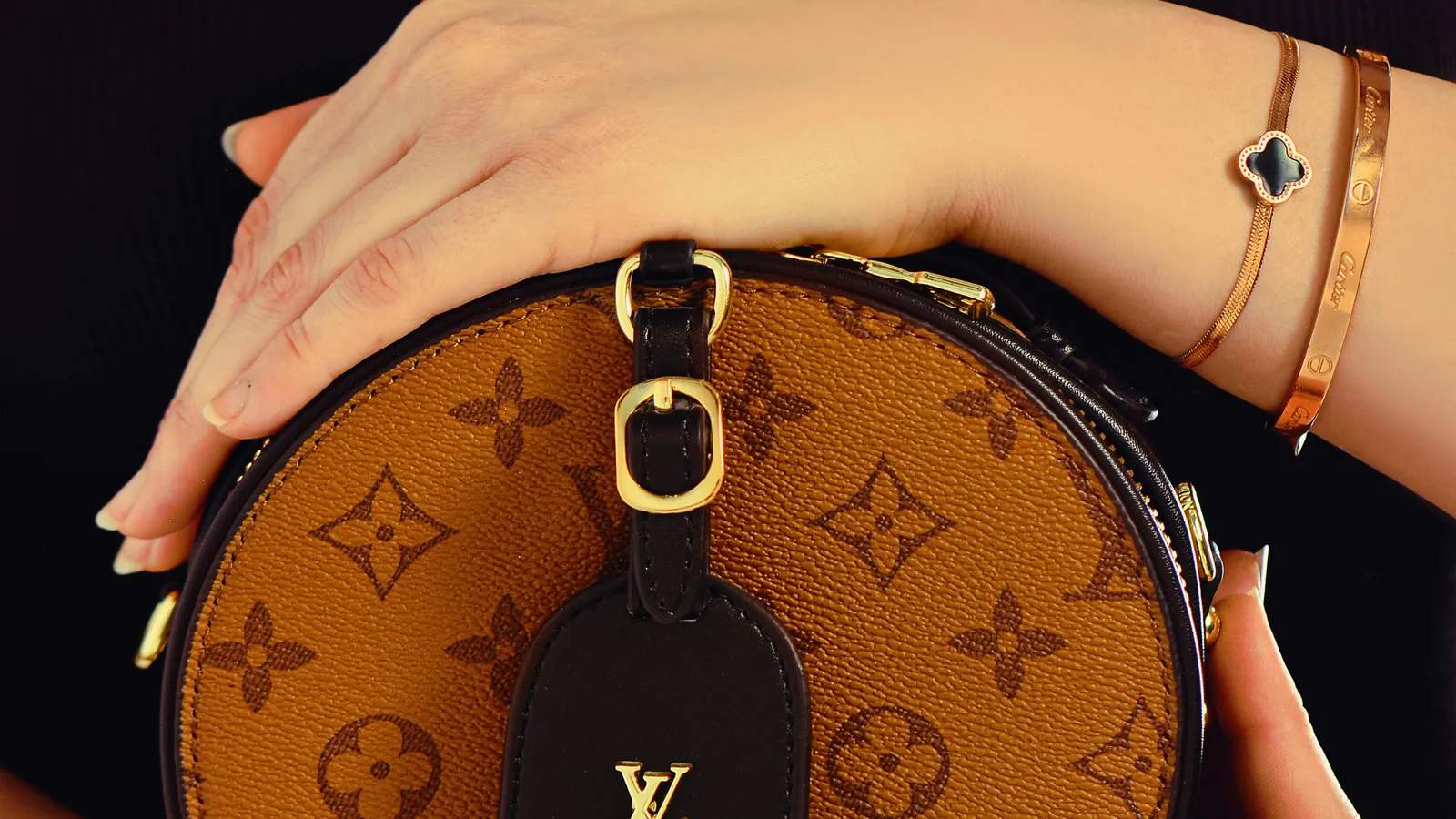
- **Louis Vuitton (LVMH, 2019)** — NFC chip embedded in bag lining since March 2019. First-generation programme using chip UID + manufacturer data only. The teaching point: counterfeiters now embed dummy NFC chips that "beep" identically; UID-only validation is insufficient. LV's first-gen programme is the case that establishes why 2026 procurement should standardise on NTAG 424 DNA SUN with server-side AES-CMAC validation, not chip UID alone.
- **Vacheron Constantin (Richemont, 2021)** — all watches in the range blockchain-certified by end-2021 via Arianee. Set the industry precedent for full-range adoption rather than capsule-collection pilots.
- **Breitling (independent, partner of Arianee)** — every watch ships with an Arianee digital passport since 2020. After-market resale flow verifies authenticity through the chip ↔ Arianee blockchain lookup.
- **Cartier (Richemont, Aura)** — Tank Must with NFC since 2022; Cartier was a founding member of Aura Blockchain Consortium alongside LVMH and Prada Group.
- **Prada Group (Aura, 2021)** — co-founding member of Aura; the press release announcing Aura Blockchain Consortium (21 April 2021) named Prada Group + LVMH + Cartier as the three founding signatories. Prada / Miu Miu rolled out NFC authentication across the entire line as Aura's first scale production case.
- **Bvlgari (LVMH, Blue Bite × VeChain)** — Bvlgari Authentic programme using VeChain Thor blockchain via Blue Bite integration. Different stack than Cartier (sister house in LVMH but Aura-aligned); shows that consortium choice can vary across LVMH houses.
- **OTB Group (Diesel, Maison Margiela, Marni, Viktor & Rolf, 2021)** — first Aura member with full NFC chip integration in production. Demonstrated that multi-brand consortium operations work at scale.
- **Hermès (notable hold-out)** — Hermès does not currently use NFC on Birkin / Kelly handbags per Hermès USA's own FAQ; they explicitly refuse paper authentication certificates too. The Hermès position is that the maison's craftsmanship + serial-number engraving is the authentication; the after-market relies on independent expert authentication services (Real Authentication, Authenticate First). This is the dominant luxury counter-example and worth understanding when proposing NFC authentication to maisons with strong artisanal-craft positioning.
GS1 Digital Link — the DPP-preferred URL syntax
EU ESPR doesn't dictate a specific blockchain or chip vendor, but it does converge on GS1 Digital Link as the URL syntax for DPP carriers. Procurement teams designing the URL scheme need to align with GS1 Digital Link to avoid retro-fitting later.
- **GS1 Digital Link URL pattern** — `https://brand.com/01/{GTIN}/21/{serial}`. The `/01/` identifier holds the GTIN (Global Trade Item Number); `/21/` holds the serial number. Optional segments (`/10/{batch}`, `/17/{expiry}`) add lot and expiry context. The same URL works as a QR scan, NFC tap or browser entry.
- **Resolver architecture** — GS1's reference architecture defines a resolver service that takes the Digital Link URL and returns category-specific responses (product info, DPP, after-sales, recall info). The brand can route any URL segment to any back-end service.
- **NXP / STMicroelectronics alignment** — both major chip vendors have aligned product NFC URL templates with GS1 Digital Link patterns. The combination of NTAG 424 DNA SUN signing (anti-counterfeit) + GS1 Digital Link URL syntax (DPP-ready) is the proven dual-purpose stack.
- **Provisional DPP standard** — GS1 has published a provisional Digital Product Passport standard that defines the data layout and verification model. EU final delegated acts are expected to align with the GS1 provisional standard.
- **Multi-jurisdiction support** — same URL works for EU DPP, planned UK textile labelling regulation, and emerging US state-level requirements (California SB 707 textile labelling). Single chip + single URL covers multi-region compliance.
Pricing tiers and TCO — chip + form factor + consortium
One thing worth internalising before the table: the chip is almost never the expensive part. Luxury NFC authentication has three cost drivers — chip choice, form factor / material, and blockchain / consortium ongoing fees — and it is the finishing and the recurring fees, not the silicon, that move the total. The table below gives indicative ranges for each combination.
- **Chip price scales steeply with volume** — at MOQ 100,000+ NTAG 424 DNA bare-chip cost can drop below $0.30. Luxury brands with full-line rollout buying power can negotiate aggressive pricing.
- **Form-factor finishing dominates TCO** at low volume. A $0.80 chip becomes a $4 sewn-in inlay because the leather, the sewing, the stitching, the QA inspection and the brand-specific finish each add cost.
- **Blockchain ongoing fees** — typically per-passport-per-year basis. Budget $0.05–$0.20 / item / year on top of the one-time chip cost. For a brand shipping 100,000 units / year, that's $5,000–$20,000 / year.
- **SaaS authentication backend** (Authena / Origyn / Scantrust / EVRYTHNG atma.io / first-party server) — additional $0.05–$0.20 / active item / year. First-party server build typically pays back within 18-24 months at 100,000+ unit volume.
| Configuration | MOQ floor | Indicative cost/unit | Annual SaaS / blockchain ongoing |
|---|---|---|---|
| NTAG 424 DNA bare chip, OEM volume | 10,000 | $0.40–0.80 | — |
| NTAG 424 DNA TT (tamper variant) bare chip | 10,000 | $0.60–1.00 | — |
| Sewn-in label inlay + 424 DNA | 5,000 | $1.50–4.00 | — |
| Watch caseback + companion card + 424 DNA | 2,000 | $3.00–8.00 | — |
| Jewelry hangtag + 424 DNA TT | 2,000 | $2.00–6.00 | — |
| Heat-press garment badge + 424 DNA | 5,000 | $0.80–2.50 | — |
| Metal-encased premium card + 424 DNA | 500 | $8.00–25.00 | — |
| Aura Blockchain Consortium membership | — | — | Negotiated; non-profit fee tier |
| Arianee protocol usage (open-source) | — | — | Per-passport fee model |
| VeChain Thor blockchain transaction fees | — | — | On-chain transaction costs |
| Authentica / Origyn / Scantrust SaaS authentication backend | — | — | $0.05–0.20 per active item / year |
Implementation roadmap — pilot to full-line rollout
A luxury NFC authentication programme moves through five phases. Skipping any phase typically results in a costly retrofit; spending too long in any phase typically results in EU DPP compliance gap.
- **Phase 1 (Q1 2026 / Q2 2026) — pilot SKU selection.** Pick 1–3 hero SKUs (handbag / watch / signature ready-to-wear). Validate chip + form factor + server flow + blockchain on real units. Target 1,000–5,000 unit pilot.
- **Phase 2 (Q3–Q4 2026) — vendor finalisation.** Lock in chip vendor (NXP NTAG 424 DNA SUN baseline), form-factor supplier (sewn-in inlay / hangtag / heat-press badge), blockchain consortium (Aura / Arianee / VeChain), authentication backend (first-party / SaaS). Sign multi-year contracts.
- **Phase 3 (2027) — capsule / category rollout.** Extend to a full product category (all handbags / all watches / all RTW). Target 50,000–500,000 unit volume. Validate AES key management + HSM operations + after-sales flow. EU DPP textile delegated act adoption Q2 2027; 18-month transition window starts.
- **Phase 4 (2028) — full-line rollout + DPP enforcement.** Extend to entire brand line. EU DPP minimal compliance enforcement live. Every SKU shipping into EU market has DPP-compliant chip + URL + data backend.
- **Phase 5 (2030+) — advanced compliance + circular economy.** Add chain-of-custody data, recycled-content attestation, take-back / repair flow integration, second-hand transfer flow. 2033: full circular-economy compliance.
Useful next pages
Use these linked product, guide and comparison pages to keep the next click specific and practical.
Luxury NFC authentication products
Starting points for the chip + form-factor combination identified in the decision matrix above.
Related editorial
Background reading on NFC product authentication and DPP.
Sibling solution
Mass-market analogue for non-luxury brand-protection programmes.
FAQ
What is EU ESPR Regulation 2024/1781 and how does it drive luxury NFC procurement?
EU Regulation 2024/1781 (Ecodesign for Sustainable Products Regulation, adopted June 2024) mandates Digital Product Passports for textiles, footwear, leather and apparel on a phased timeline. The textile delegated act is expected to be adopted late 2026 / Q2 2027, with an 18-month transition window leading to enforcement in 2028. Each product needs a unique digital identifier accessible via NFC tap or QR scan that resolves to product origin, material composition, care instructions and recyclability. Advanced compliance (2030) adds chain-of-custody and recycled-content attestation; full circular-economy compliance (2033) adds take-back / repair / resale provenance. Luxury houses selling into the EU market need their DPP-compliant chip + URL + backend architecture in place before the 2028 enforcement window. This regulatory deadline is the dominant procurement driver for luxury NFC authentication in 2026–2028.
Why NTAG 424 DNA SUN and not just any NFC chip?
NTAG 424 DNA implements Secure Unique NFC (SUN) authentication: each tap generates a unique URL signed with AES-128 CMAC. A genuine chip produces a sequence of URLs the server can validate against the AES key; a cloned chip cannot reproduce the cryptographic signature. By contrast, entry-tier chips like NTAG213 store only a chip UID — counterfeiters can embed dummy chips that "beep" the same way, and UID-only validation is trivially cloneable. The Louis Vuitton first-generation programme (2019, NFC chip in bag lining) used UID-only validation; LV's experience is the case study that establishes why second-generation NTAG 424 DNA SUN with server-side AES-CMAC validation is the 2026 procurement baseline for luxury authentication.
What is NTAG 424 DNA TT (Tamper Tag) and when should I use it?
NTAG 424 DNA TT (NXP NT4H2421Tx) adds a tamper-detection wire loop external to the chip. The loop breaks irreversibly on first product opening; subsequent SUN messages from the chip include the tamper-state flag. Use cases: factory-fresh vs after-market resale flagging; first-customer activation programmes (unboxing as a brand experience); high-value luxury where authentication should differentiate between sealed-in-box and previously-opened. Common procurement pairings: limited-edition watch packaging, jewelry hangtags, premium spirit neck seals, collectible sneaker hangtags. Cost premium is ~$0.20 / chip vs baseline NTAG 424 DNA.
Aura vs Arianee vs VeChain vs bespoke — which blockchain consortium?
It's a governance and brand-positioning decision, not a technology decision. Aura Blockchain Consortium (LVMH + Prada Group + Cartier + OTB + Mercedes-Benz; 70+ million products on-chain end-2024) — non-profit, multi-house consortium; default for LVMH / Richemont / Prada Group / OTB houses. Arianee (Vacheron Constantin, Breitling, Mercedes-Benz) — open-source protocol since 2017; default for independent luxury and watch houses. VeChain (Bvlgari, adidas) — VeChain Thor public blockchain; default for brands with existing Web3 partner relationships. Bespoke — for brands like Hermès where sovereign data control outweighs consortium scale economies. The chip ↔ server authentication layer is independent of the blockchain choice; the blockchain provides the immutable record of authentic activations over multiple owners.
Does the NFC tag survive normal wear, washing, sun exposure?
Form-factor dependent. Sewn-in label inlays in handbags survive normal wear for 10+ years; the chip is shielded by the lining and not subject to direct abrasion. Heat-press garment badges (for apparel / RTW) survive 50+ industrial wash cycles in PPS encapsulation. Hangtag-attached chips are designed for first-tap activation and typically removed after purchase. Watch caseback chips are protected from elements; companion cards are designed for non-wear / safe-keeping. UV exposure is a concern for some leather-embedded inlays — for outdoor luxury (handbags carried in direct sun) specify UV-stable encapsulation.
Does the chip work without an app?
Yes on every iPhone XS or newer (Sept 2018+) and every Android phone with NFC. iPhone XS+ uses iOS 13 background tag reading — the system shows a URL preview at the lock screen on tap. iPhone 7 / 8 / X have NFC hardware but require the user to open Control Center and tap NFC Tag Reader. Android Q+ uses NDEF dispatch — the URL opens directly in the default browser. The brand's authentication server takes care of the SUN validation flow; the consumer sees a regular https URL and a verified product page. No app install is required at the consumer side, which is a major adoption advantage versus app-based luxury programmes.
How is this different from Louis Vuitton's NFC chip programme since 2019?
LV's first-generation programme (March 2019, chip embedded in bag lining) stores chip UID and manufacturer data only — no AES-CMAC server validation. Counterfeiters embed dummy NFC chips with random UIDs; consumer-side validation that a chip "beeps" is meaningless because counterfeit chips also beep. Second-generation NTAG 424 DNA SUN (the 2026 procurement baseline) adds AES-128 server-side cryptographic validation — every tap produces a fresh signature that the server validates against the per-chip AES key. A cloned chip cannot reproduce the signature. The LV case is the most-cited industry example of why first-generation UID-only authentication is insufficient and why server-side AES-CMAC is the 2026 standard.
What is GS1 Digital Link and why does the EU prefer it for DPP?
GS1 Digital Link is the URL syntax that combines a global GS1 identifier (GTIN, GLN, etc.) with a resolvable web URL. Pattern: `https://brand.com/01/{GTIN}/21/{serial}`. The `/01/` segment holds the GTIN; `/21/` holds the serial number; optional segments hold lot, expiry, etc. The same URL works as a QR scan, NFC tap or browser entry — it degrades gracefully across consumer technology. EU DPP regulation aligns with GS1 Digital Link because it's a global GS1 standard, supports multiple resolver types, and integrates with the existing GS1 ecosystem (GLN, GTIN, EPCIS). Procurement teams designing luxury NFC URLs should adopt GS1 Digital Link pattern from day one to avoid retrofitting later.
Who owns the data — the brand, the consortium, or the consumer?
The brand owns the product authentication data (URL routing, AES key, server logs). Consortium memberships (Aura, Arianee, VeChain) define what data is shared at the blockchain layer, typically the encrypted product identifier and authentication timestamps, not the consumer's identity. Consumer-side data (which products the customer owns, repair / service history, resale ownership) is governed by the brand's privacy policy and applicable GDPR / CCPA regimes. For luxury houses, the brand-owned authentication backend ensures sovereign data control; SaaS authentication services (Authena, Origyn, Scantrust, EVRYTHNG / atma.io) put PII on third-party servers and need standard DPA review.
Sources & references
Primary standards, OEM datasheets and regulatory documents cited by this article. All URLs were verified on the access date shown below.
- EUR-Lex — Regulation (EU) 2024/1781 (ESPR)
Primary legal citation for the EU Digital Product Passport mandate. Adopted June 2024.
- EU Commission — ESPR Working Plan 2025-2030
Textile delegated act priority; 2027 minimal compliance phase.
- European Parliament Study — DPP for the Textile Sector
Phase 1 (2027) / Phase 2 (2030) / Phase 3 (2033) framing.
- NXP NTAG 424 DNA datasheet (NT4H2421Gx)
Primary chip datasheet — AES-128 SUN message authentication.
- NXP NTAG 424 DNA TT datasheet (NT4H2421Tx)
Tamper-Tag variant with wire-loop detection for first-customer activation.
- NXP Application Note AN12196 (SUN implementation)
Reference implementation guide for SUN AES-CMAC authentication.
- NXP NTAG 424 DNA product page
Product overview and SUN feature documentation.
- STMicroelectronics ST25TV02KC product page
Alternative chip vendor with AES-128 SUN-equivalent authentication.
- STMicroelectronics — NFC for Digital Product Passport
Chip-vendor alignment with EU DPP carrier requirements.
- Aura Blockchain Consortium — homepage
Authoritative consortium reference — LVMH + Prada Group + Cartier (Richemont) + OTB Group + Mercedes-Benz; 70+ million products on-chain end-2024.
- Aura Blockchain Consortium — About page
Non-profit governance model and member roster.
- Prada Group press release — Aura Blockchain Consortium founding
Original founding announcement — LVMH + Prada + Cartier (Richemont).
- Richemont — Cartier joins Aura
Cartier / Richemont citation for Aura membership.
- OTB Group — Aura page
First Aura member with full NFC chip integration in production (Diesel, Maison Margiela, Marni, Viktor & Rolf).
- Arianee — Vacheron Constantin partnership
Watch industry case study — full range blockchain-certified.
- Vacheron Constantin press lounge — blockchain certification
Entire-range blockchain certification end of 2021.
- Blue Bite × VeChain — Bvlgari and adidas partnership
Bvlgari Authentic via VeChain Thor + Blue Bite integration.
- GS1 Digital Link standard
Authoritative URL syntax for DPP carriers.
- GS1 — Digital Product Passport provisional standard
Carrier-resolver architecture for EU DPP compliance.
- NFC Forum — Shaping the Future of the Digital Product Passport
Industry-body position on NFC as the DPP data carrier.
- Deloitte Digital — Digital passports in luxury
Analyst perspective on luxury DPP adoption and AOV uplift.
- Business of Fashion — What's next for luxury and blockchain
Editorial authority for luxury blockchain adoption framing.
- Luxury Tribune — Aura 40 million products milestone
Scale data point for Aura procurement decks.
- OECD/EUIPO — Global Trade in Fakes report
Authoritative baseline for global counterfeit-trade scale (~$500B+).
Proud Tek is a Shenzhen-based RFID & NFC manufacturer supplying hotel chains, transit operators, event venues and retail brands worldwide. Every order includes free samples, RF testing and dedicated project support.
Get a Quick Quote
Tell us about your project and we'll respond within one business day. Fields marked (asterisk) are required.