
Olive Oil Anti-Fraud NFC
NFC Olive Oil Authentication Labels
PDO/PGI EVOO

Quick answer
NFC olive oil authentication labels embed NXP NTAG 424 DNA (AES-128 + Secure Dynamic Messaging) into bridge-antenna seals spanning bottle cap and neck — combating the pervasive adulteration in the olive oil industry where 60-80% of 'extra virgin' olive oil in major markets fails to meet EVOO chemical / sensory standards per peer-reviewed food-science literature. Each tap surfaces grove GPS polygon, harvest date, cultivar breakdown, mill ID, IOC-method analytical certificate (free acidity ≤ 0.8%, peroxide value ≤ 20 meq O2/kg, K270 ≤ 0.22), and PDO/PGI certification reference (Chianti Classico PDO, Kalamata PDO, Sierra Mágina PDO, Terra di Bari PDO + 140+ EU eAmbrosia entries). It serves as the chip / bridge-antenna / IOC-analytical / PDO-PGI / FSMA 204 / EUDR food-traceability reference for premium EVOO producers, mill cooperatives, and PDO consortia.
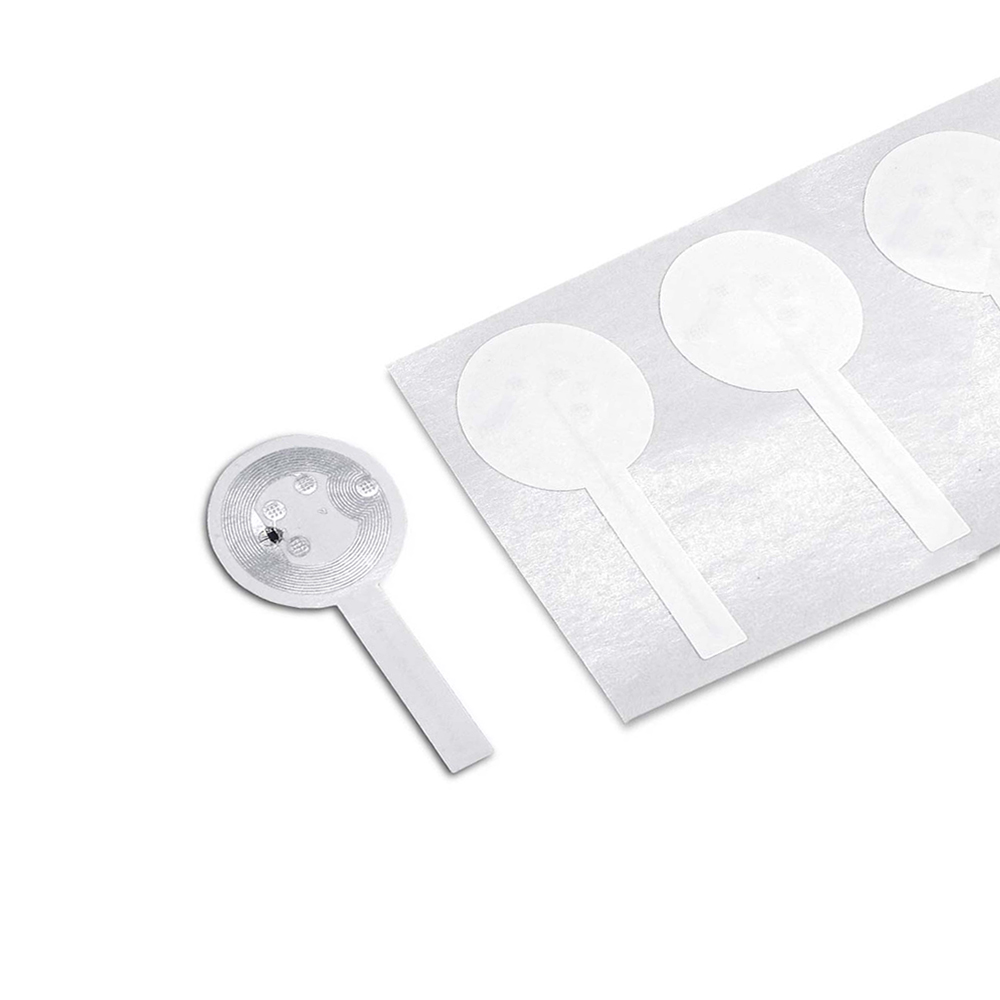
- Bridge-antenna NTAG 424 DNA / 424 DNA TT — opening the bottle physically breaks the antenna trace; chip flags 'opened' on every subsequent tap. Structurally defeats the restaurant / retail refill counterfeit attack — estimates suggest 50%+ of olive oil served in restaurants is not what the bottle claims, and bridge-antenna NFC closes that vector.
- Per-bottle provenance — grove GPS polygon, cultivar breakdown (Frantoio / Leccino / Moraiolo / Coratina / Picual), harvest date, pressing window (24-72 hours post-harvest for first-cold-press EVOO), extraction temperature ≤ 27 °C for cold-pressed claim per EU 29/2012, mill ID, IOC analytical certificate (free acidity ≤ 0.8%, peroxide value ≤ 20 meq O2/kg, K270 ≤ 0.22), PDO/PGI registry cross-reference via EU eAmbrosia.
- Honest brand-protection framing: NFC proves packaging integrity, not chemical grade. Pairs with producer-side ISO 17025 accredited lab batch retention samples + lot-release analytical certificates published to the provenance page; supports FSMA 204 + EUDR food-traceability cross-reference; restores honest producer's market position vs fraudulent EVOO sold at 30-50% lower prices.
Used in these industries
Deployments where this product is referenced on our industry landing pages.



At a glance
Use these short answers to decide whether this page matches the project before moving into the detail.
Chip silicon and tamper variant
NXP NTAG 424 DNA (NT4H2421Gx): AES-128 + Secure Dynamic Messaging — per-tap unique CMAC URL, NFC Forum Type 4 Tag. NTAG 424 DNA TagTamper (TT, NT4H2421Tx): cryptographic...
Bridge-antenna anti-refill mechanism
NFC antenna spans bottle cap + neck. Opening the bottle physically breaks antenna trace; chip stops responding or returns 'opened' status (TT variant).
Next step
Ready to move forward? Start your inquiry to get specific answers for this project.
Request quote and samples- Olive oil fraud market context
-
- Peer-reviewed food-science literature: 60-80% of 'extra virgin' olive oil in major consumer markets fails EVOO chemical / sensory standards.
- Adulteration patterns: blending with seed oils (sunflower / soybean / canola), refined olive oil sold as virgin, mislabelled geographic origin, color supplementation with chlorophyll / beta-carotene.
- 2008 'Operazione Oro Verde' Italian case established that organised-crime olive-oil fraud is systematic / international — not ad-hoc.
- Premium EVOO at EUR 30-80 per 500 mL retail carries highest fraud risk-to-reward ratio for counterfeiters.
- EU olive-oil regulatory framework
-
- Commission Implementing Regulation (EU) 2022/2104 — marketing standards for olive oil; eight olive-oil categories (extra virgin, virgin, lampante virgin, refined olive oil, olive oil, crude olive-pomace oil, refined olive-pomace oil, olive-pomace oil).
- Regulation (EU) 2022/2105 — conformity checks; mandates free-acidity, peroxide value, K232/K268 UV-spectrophotometry, sensory-panel thresholds.
- Commission Regulation (EEC) No 2568/91 — characteristics of olive oil + analytical annexes (still referenced by 2022/2105).
- Commission Regulation (EU) 29/2012 Art. 5 — 'cold-pressed' marketing claim requires extraction temperature ≤ 27 °C.
- International Olive Council (IOC) analytical framework
-
- IOC trade standard COI/T.15/NC No 3/Rev.19 + COI/T.20 series test methods.
- Reference framework national food-safety authorities, third-party certification bodies, producers use to classify oils as extra virgin.
- Specific IOC-method lab results surfaced on consumer-tap page: free acidity ≤ 0.8%, peroxide value ≤ 20 meq O2/kg, K270 ≤ 0.22, sensory panel report.
- Lab accreditation ID + ISO 17025 certificate referenced for retention-sample chain-of-custody.
- PDO / PGI Geographical Indication framework
-
- Regulation (EU) 1151/2012 — quality schemes for agricultural products and foodstuffs; PDO (Protected Designation of Origin) + PGI (Protected Geographical Indication) + TSG legal framework.
- 140+ registered olive-oil designations: Chianti Classico PDO, Kalamata PDO, Sierra Mágina PDO, Terra di Bari PDO, Aceite del Bajo Aragón PDO, Riviera Ligure PDO.
- Each PDO has specification document (disciplinare): permitted cultivars, geographic boundary, production method, analytical thresholds.
- EU eAmbrosia public PDO/PGI/TSG registry — NFC backend links directly to bottle's appellation entry.
- Per-bottle serialisation + provenance
-
- Mill bottling MES database links chip UID to specific grove GPS polygon, cultivar breakdown (e.g. 70% Frantoio, 20% Leccino, 10% Moraiolo), harvest date, pressing window.
- First-harvest / single-estate EVOO premium positioning supported: dated provenance record verifies bottle harvested and pressed within current season vs sitting 18 months on retailer shelves.
- Cold-press claim verification (≤ 27 °C extraction per EU 29/2012 Art. 5) recorded in the provenance database.
- Mill ID + bottling-line MES per-bottle serial captured at production.
- Adulteration science — what NFC does NOT verify
-
- NFC verifies bottle's serial / batch / packaging integrity — does NOT chemically verify oil in the bottle.
- Common adulteration: fatty-acid methyl-ester gas chromatography flags seed-oil dilution; campesterol:beta-sitosterol ratio + stigmastadiene content per EU 2568/91 Annex XVII; K232/K268 UV absorbance flags refined-oil bleaching; stable-isotope ratio analysis (13C/12C, 18O/16O, 2H/1H) flags geographic mislabelling.
- Responsible brand-protection programme pairs NFC packaging-integrity with producer-side ISO 17025 accredited lab batch retention samples + lot-release analytical certificates published to NFC-linked provenance page.
- Consumer-education framing: NFC proves packaging integrity, not chemical grade — IOC sensory evaluation (fruity / bitter / pungent positive attributes; absence of rancid / musty / fusty / winey-vinegary defects) remains the consumer's own check.
- Retention-sample chain of custody
-
- Best-practice producers retain sealed reference sample from every bottling batch for minimum 2 years.
- NFC-linked provenance page references retention-sample ID + accredited lab's batch-release certificate.
- Regulators / auditors path: suspect bottle in market → NFC → retention-sample library → forensic re-analysis.
- Producer-side controls: bulk oil intake with lot-level IOC-method testing before blending; tamper-evident seals on bulk holding tanks with NFC-logged fill/empty events; camera-supervised bottling lines.
- FSMA 204 + EUDR food-traceability adjacency
-
- U.S. FDA Food Safety Modernization Act Section 204 — Food Traceability Rule effective 2026; high-risk food list includes nut butters and select food categories.
- EU Deforestation Regulation (EUDR, Regulation 2023/1115) — requires deforestation-free supply chain documentation; olive oil with palm/soy adulteration falls in scope.
- NFC provenance page surfaces lot-level supply-chain record for FSMA 204 / EUDR cross-reference.
- Per-bottle traceability supports product-recall targeting in case of safety event — backend recall through verification database.
- Premium positioning + restaurant-fraud defense
-
- Premium EVOO competing against fraudulent products at 30-50% lower prices — consumer authentication restores honest producer's market position.
- Restaurant fraud (refilling premium branded bottles with bulk commodity oil): bridge-antenna NFC structurally defeats the refill attack at point-of-service.
- PDO consortia + producer cooperatives benefit from collective NFC programme: cost amortised across many small producers; consumer trust accrued to the appellation.
- Single-estate EVOO premium positioning amplified by per-bottle provenance detail.
- Procurement and integration
-
- MOQ 5,000 pieces; lead time 15-20 business days; per-tag cost USD 0.40-1.20 depending on form factor and chip variant (DNA vs DNA TT).
- AES-128 key provisioning at NXP secure facility — coordinated through Proud Tek as part of first production batch.
- Producer-side integration: backend verification API + branded provenance page with grove map + analytical certificate display + IOC-method results + EU eAmbrosia PDO registry cross-reference.
Why olive oil needs cryptographic per-bottle authentication
- Premium EVOO producers investing in quality cultivation, careful harvesting, cold extraction compete against fraudulent products at 30-50% lower prices — consumer authentication is the structural defense.
- Restaurant + retail refill operations defeat conventional anti-counterfeit; bridge-antenna NFC structurally closes the refill vector.
- EU 1151/2012 PDO / PGI framework is the legal baseline; consumers pay premium for Tuscan, Cretan, Andalusian origin claims and need verification at point-of-purchase.
Bridge-antenna NFC + IOC analytical certificate vs hologram / PDO seal alone
Hologram / printed PDO seal / paper certificate
- Hologram + printed seal: visually replicable; doesn't detect refill
- Paper certificate: can be reprinted onto counterfeit packaging
- Bottle-level fraud (genuine bottle refilled with adulterated oil) bypasses all visual security
- Restaurant-fraud refill defeats both hologram and PDO seal
- Acceptable for low-counterfeit categories, not premium EVOO
NTAG 424 DNA bridge-antenna + IOC certificate published to tap page (this page)
- Bridge antenna spans cap + neck; opening physically breaks the trace
- AES-128 SUN per-tap unique CMAC URL — replay-impossible
- IOC-method analytical certificate (free acidity, peroxide value, K270, sensory panel) published to provenance page
- EU eAmbrosia PDO/PGI registry direct cross-reference
- Retention-sample ID + ISO 17025 lab accreditation chain-of-custody
What per-bottle provenance actually delivers
- Grove GPS polygon → mill ID → harvest date → cultivar breakdown → pressing window → extraction temperature → bottling line.
- IOC analytical: free acidity ≤ 0.8%, peroxide value ≤ 20 meq O2/kg, K270 ≤ 0.22, sensory panel report.
- PDO appellation reference cross-linked to EU eAmbrosia public registry.
- ISO 17025 accredited lab + retention-sample ID for forensic re-analysis path.
From paper PDO seal 1990s to NFC + IOC + EU eAmbrosia EVOO authentication
- 1992
EU PDO/PGI framework established (Regulation 2081/92, later 1151/2012). Paper PDO seals + producer cooperatives become primary anti-counterfeit mechanism.
- 2008
Italian 'Operazione Oro Verde' / Operation Golden Oil case establishes that organised-crime olive-oil fraud is a systematic, international operation. Subsequent enforcement actions (Carabinieri Food Fraud Unit) document containerized adulteration of 'Italian' olive oil with foreign base oil + chlorophyll + beta-carotene.
- 2011-2016
Tom Mueller's Extra Virginity investigation + 60 Minutes coverage exposes the scale of olive-oil fraud in the U.S. consumer market. Premium producers begin exploring authentication beyond paper PDO seals.
- 2017-2019
NXP NTAG 424 DNA launches with AES-128 SUN. Premium EVOO early adopters (single-estate Italian / Spanish producers) begin pilot programmes.
- 2022
Commission Implementing Regulations (EU) 2022/2104 + 2022/2105 publish — modernised marketing standards + conformity checks for olive oil; explicit reference framework that NFC-linked analytical certificates can cite.
- 2023-2024
EU Deforestation Regulation (EUDR, 2023/1115) + U.S. FDA FSMA 204 Food Traceability Rule frame food-traceability requirements that NFC per-bottle provenance addresses. EU eAmbrosia public PDO registry searchable across 140+ olive-oil designations.
- 2026 Today
Cross-buyer reference experience on PDO-Tuscan-olive-oil, PGI-Greek-olive-oil, Italian-DOC-EVOO, Californian-Cobram-Estate, and Japan-import-verification programmes shows converge on NTAG 424 DNA TT bridge-antenna seal + per-bottle serialisation linked to mill MES + AES-128 SUN per-tap authentication + IOC-method analytical certificate + EU eAmbrosia PDO cross-reference + retention-sample chain-of-custody as the operator-side template.
Useful next pages
Use these linked product, guide and comparison pages to keep the next click specific and practical.
Related NFC authentication products
Other NFC solutions for food authentication and brand protection.
Industry applications
Industry deep-dives where this SKU is commonly specified.
Chip-level technical reference
Deep-dive specifications for NTAG 424 DNA olive-oil applications.
FAQ
How does the consumer verify the olive oil is genuine?
Consumer taps the NFC label on the bottle with any NFC-enabled smartphone. Mobile web page opens showing authentication status (genuine / counterfeit / opened), olive grove location, harvest and extraction dates, lab test results (acidity, polyphenol content, peroxide value), PDO/PGI certification with EU eAmbrosia registry cross-reference. NTAG 424 DNA generates a unique cryptographic signature with each tap — proving the label is genuine, not a copy. NFC failure-mode fallback: QR code printed alongside links to the same verification page.
Can the label detect if the bottle has been refilled with cheaper oil?
Yes — bridge-tag design spanning cap and bottle neck permanently breaks the NFC antenna when bottle is opened. On any subsequent scan, chip responds with 'opened/tampered' status, alerting the consumer or inspector that the bottle has been previously opened and may have been refilled. This structurally defeats the common restaurant fraud of refilling premium bottles with bulk commodity oil — estimates suggest 50%+ of olive oil served in restaurants is not what the bottle claims; bridge-antenna NFC closes that vector.
Does the NFC label integrate with PDO/PGI certification systems?
Yes — cloud-based provenance record linked to each NFC chip stores full PDO/PGI certification documentation: certification body name, certificate number, geographic boundaries, production standards, audit date. Documentation displayed during tap verification with direct EU eAmbrosia public PDO registry cross-reference. Consumer can independently verify the claim against the registry. Each PDO has its specification document (disciplinare) listing permitted cultivars, geographic boundary, production method, analytical thresholds — NFC backend links directly to the eAmbrosia entry.
Does NFC authentication actually verify the oil is extra virgin, or only that the bottle hasn't been tampered with?
Strictly speaking, the NFC tag verifies that the specific bottle is genuine, serialised, and has not been physically opened since leaving the producer's facility. It does NOT perform chemical analysis of the oil. The honest version of the value proposition is: NFC authentication + producer-side analytical certificate (acidity, peroxide value, K232/K268 UV spectrophotometry, IOC sensory panel report) published to the provenance page together deliver meaningful assurance of extra-virgin grade. Brand-protection programmes that conflate the two and claim NFC 'proves EVOO grade' should be avoided — the IOC test framework (COI/T.20 methods) remains the scientific authority on oil classification. NFC provides cryptographic packaging-integrity proof on top of documented lab results, not in place of them.
How does the label support first-harvest, cold-press, single-estate EVOO premium positioning?
Per-bottle serialisation linked to mill bottling MES database lets consumer tap verify specific grove GPS polygon, cultivar breakdown (e.g. 70% Frantoio, 20% Leccino, 10% Moraiolo), harvest date, pressing window (24-72 hours post-harvest for genuine cold-first-press EVOO), extraction temperature (≤ 27 °C for 'cold-pressed' marketing claims per EU 29/2012 Art. 5), mill ID, and specific analytical certificate for the lot. First-harvest 'olio nuovo' oils with 30-60 day peak quality window benefit especially from dated provenance — consumers verify the bottle in their hand was harvested and pressed within the current season vs sitting on retailer shelves for 18 months. This per-bottle provenance is exactly what premium estate producers need to differentiate from commodity 'blended EU origin' oils and justify premium retail pricing.
How does this support FSMA 204 and EUDR food-traceability compliance?
FSMA 204 (U.S. FDA Food Traceability Rule effective 2026) and EUDR (EU Regulation 2023/1115 deforestation-free supply chain) both require lot-level supply-chain documentation for select food categories. NFC per-bottle provenance page surfaces grove GPS polygon + mill ID + bulk oil intake records + ISO 17025 lab certificate — all the lot-level traceability data regulators require. In a recall event, backend recall targeting through the NFC verification database identifies affected bottles by serial range and notifies consumers directly via the registered tap. Producer-side controls (bulk oil intake testing, tamper-evident bulk holding tanks with NFC-logged fill events, camera-supervised bottling) form the documented chain-of-custody programme that NFC consumer-facing authentication caps.
Sources & references
Primary standards, OEM datasheets and regulatory documents cited by this article. All URLs were verified on the access date shown below.
- Commission Implementing Regulation (EU) 2022/2104 — marketing standards for olive oil
EU marketing standards for olive oil — eight olive-oil categories + classification framework.
- Commission Implementing Regulation (EU) 2022/2105 — conformity checks of marketing standards for olive oil + methods of analysis
EU conformity checks + analytical methods (free acidity, peroxide value, K232/K268 UV spectrophotometry, sensory panel).
- International Olive Council — Trade Standard COI/T.15/NC No 3/Rev.19 + COI/T.20 analytical test methods
Reference testing framework national food-safety authorities + producers use to classify oils as extra virgin.
- Regulation (EU) No 1151/2012 — quality schemes for agricultural products and foodstuffs (PDO / PGI / TSG legal framework)
Legal framework underlying Chianti Classico PDO, Kalamata PDO, Sierra Mágina PDO + 140+ registered olive-oil designations.
- EU eAmbrosia — geographical indications register (PDO / PGI / TSG searchable registry)
Public PDO/PGI registry — NFC backend cross-reference for bottle's appellation entry.
- NXP NTAG 424 DNA product page and data sheet (NT4H2421Gx) — AES-128 SUN / SDM cryptographic authentication
Authoritative chip-level reference for AES-128 SUN, SDM, NTAG 424 DNA TT bridge-antenna integration.
- NXP AN12196 — NTAG 424 DNA + TagTamper features and hints (SUN / SDM, CMAC-AES, bridge-antenna application patterns)
Application note covering SUN URL generation, SDM commands, tamper-loop bridge-antenna implementation.
- Commission Regulation (EEC) No 2568/91 — characteristics of olive oil + analytical annexes
Legacy framework + analytical annexes still referenced by 2022/2105 conformity checks; basis for stigmastadiene + sterol-ratio adulteration detection.
- U.S. FDA Food Safety Modernization Act Section 204 — Food Traceability Rule (effective 2026)
U.S. food-traceability rule — lot-level supply-chain documentation that NFC per-bottle provenance addresses.
- Regulation (EU) 2023/1115 — deforestation-free supply chain (EUDR)
EU deforestation-free supply chain framework — olive oil with palm/soy adulteration falls in scope; NFC provenance addresses lot-level traceability.
Proud Tek is a Shenzhen-based RFID & NFC manufacturer supplying hotel chains, transit operators, event venues and retail brands worldwide. Every order includes free samples, RF testing and dedicated project support.
Get a Quick Quote
Tell us about your project and we'll respond within one business day. Fields marked (asterisk) are required.