
Logistics RFID
RFID for Logistics
Portals, Seals & RTI

Quick answer
UHF RAIN RFID is the visibility layer for receiving, shipping, container security, returnable transit items, yard / drayage and airline baggage. Proud Tek supplies the GS1 SGTIN-96 / SSCC-96 / GIAI-96 / GRAI-96 pre-encoded inlay, label, pallet tag, ISO 17712 bolt seal, RTI tag and IATA Resolution 753 baggage tag that feed Manhattan Active WM, Blue Yonder, SAP EWM, Oracle WMS Cloud, Körber K.Motion, Lyngsoe AMH and Carrier / Thermo King reefer telematics — turning 5-hour manual receiving into 85-minute portal scans, RTI loss from 22% into 4% per cycle and IATA mishandled-bag rates from 14% into 2.5%.
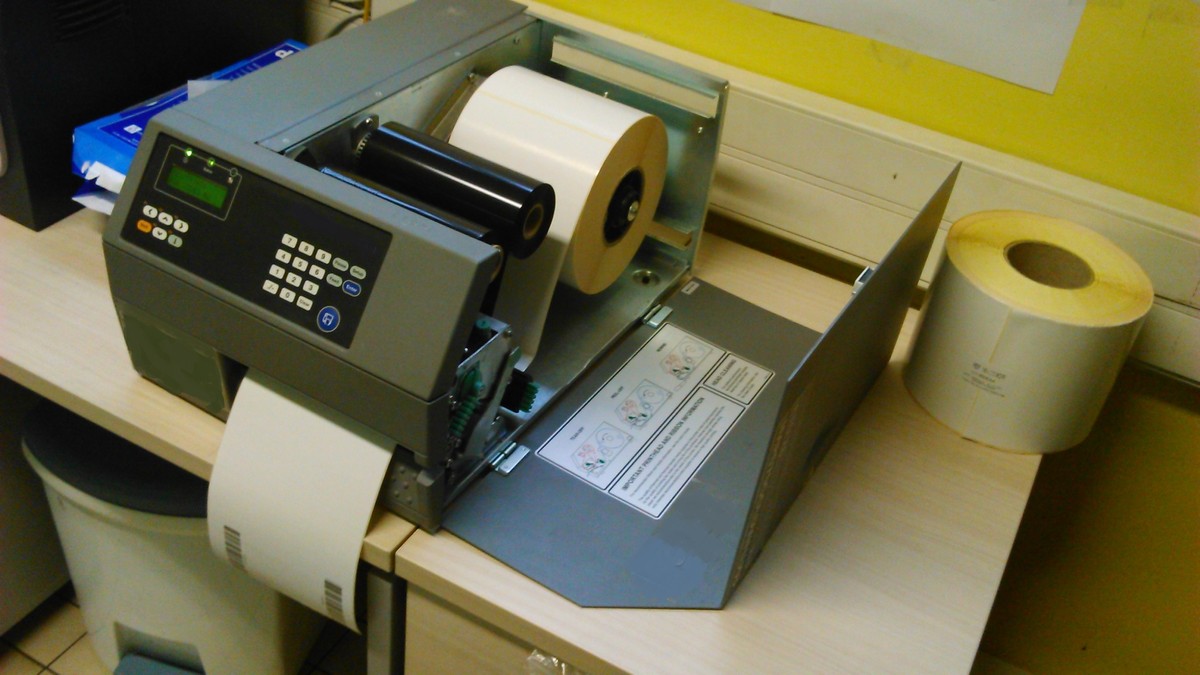
- Print-and-encode UHF labels in one pass — Zebra ZT411, SATO CL4NX, Printronix T6000 + ARC-W audit-ready inlay matched to the printer's exact X-offset and core.
- ISO 17712 high-security bolt seals with embedded UHF — automated container gate read at 350 / hour replaces a 6-person manual inspection team.
- RTI + IATA Resolution 753 + RP1740c — returnable container loss 22% → 4% / cycle; airline first-read rate 85% → 99.7%.
Featured Logistics & Supply Chain Products
Explore our complete range of RFID solutions for logistics & supply chain.
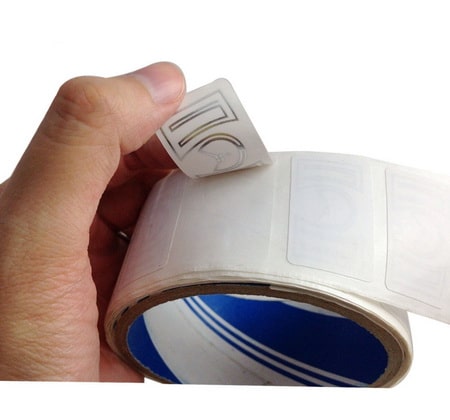
UHF RFID Paper Label — Printable Adhesive Roll
→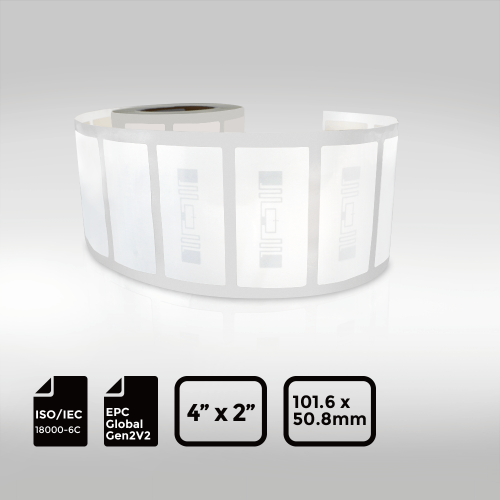
RFID Shipping Label — 4×6 in GS1-128 + SSCC-96
→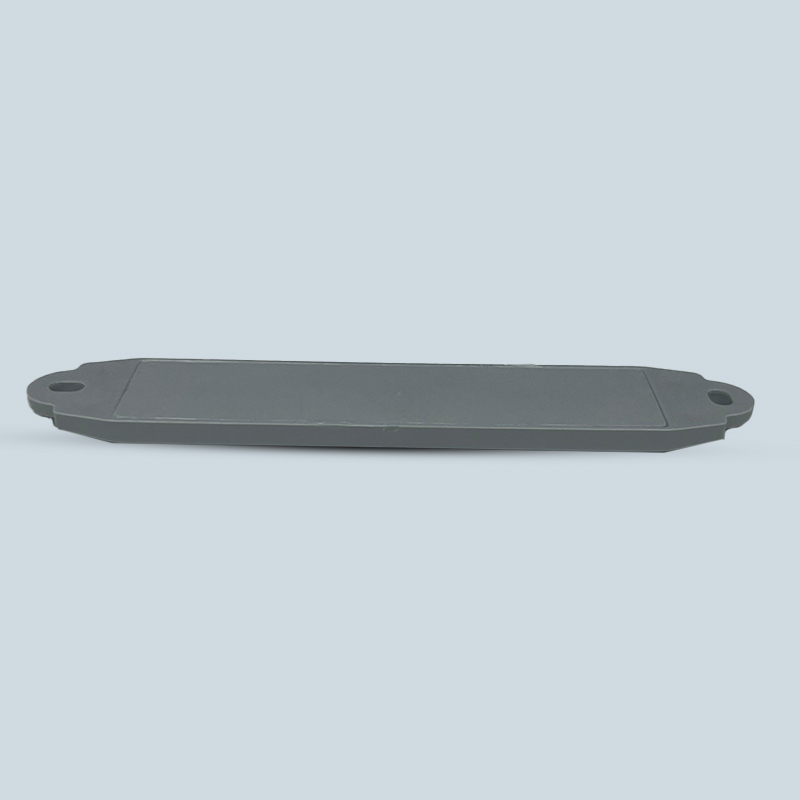
RFID Pallet Tags — Dock-Door ID & Warehouse Tra...
→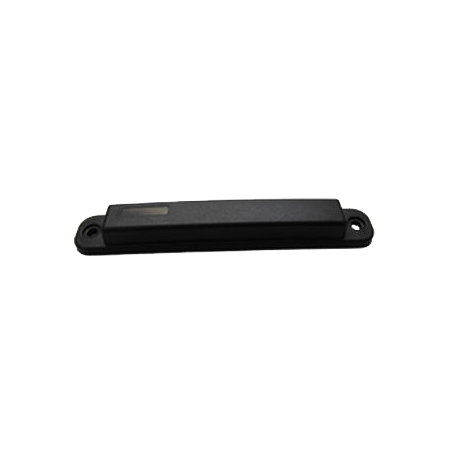
RFID Returnable Container Tags — Cut RTI Loss 5...
→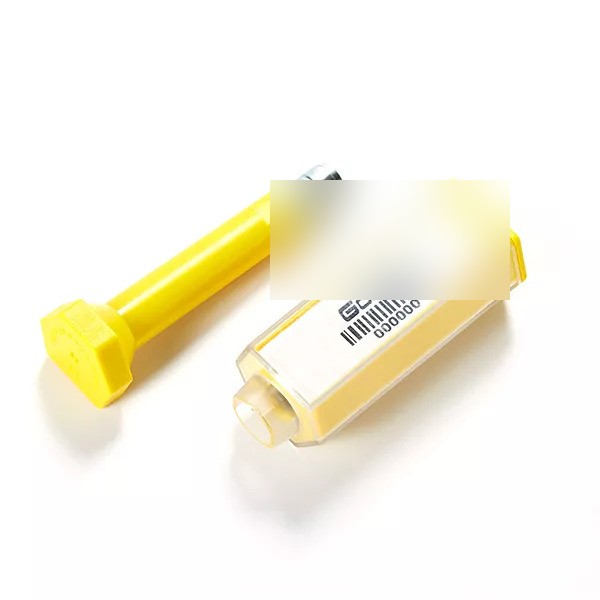
RFID Bolt Seals — High-Security Container Seals
→
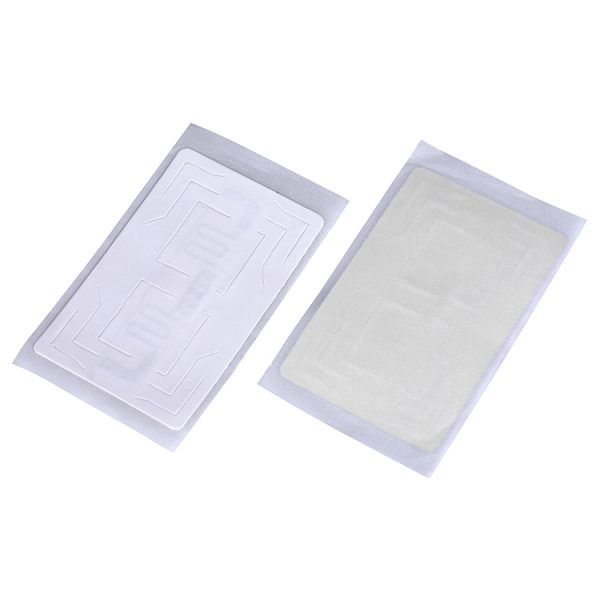
UHF RFID Blank Label — Print-and-Encode Roll
→
RFID windshield tag – Custom RFID & NFC Manufac...
→At a glance
Use these short answers to decide whether this page matches the project before moving into the detail.
Where logistics RFID earns its visibility
Receiving dock — UHF portal reads 200-400 cases per pallet pass-through; 5 h manual → 85 min portal. Cross-dock — handheld RFID confirms putaway zone in <120 ms / case.
GS1 EPC encoding schemes
SGTIN-96 (Serialised Global Trade Item Number) — case + retail item-level. SSCC-96 (Serial Shipping Container Code) — pallet + carton aggregation; dominant logistics sch...
Next step
Ready to move forward? Start your inquiry to get specific answers for this project.
Request logistics RFID samples- Standards stack
-
- ISO/IEC 18000-63:2015 — RAIN RFID EPC Gen2v2 air-interface (UHF 860-960 MHz).
- ISO/IEC 19987:2021 — EPCIS 2.0 event-capture (Commission, ObjectEvent, AggregationEvent).
- ISO 17712 — High-security mechanical seal (HSMS) for international cargo containers.
- IATA Resolution 753 + RP1740c — RFID Bag Tag Implementation; 4 Critical Tracking Events.
- C-TPAT minimum security criteria (US CBP); AEO (EU); STP (UK); PIP (Canada).
- FDA FSMA Section 204 (21 CFR Part 1 Subpart S) — cold-chain food traceability.
- WMS + ERP + middleware integration
-
- Manhattan Active WM — cloud-native WMS + cold-chain module; default for tier-1 retail + 3PL.
- Blue Yonder Luminate Logistics — multi-site warehousing + transportation.
- SAP Extended Warehouse Management (EWM) — SAP-stack standard.
- Oracle WMS Cloud — Oracle ERP environments.
- Körber K.Motion WMS — global mid-large 3PL.
- Lineage Logistics LMS — largest US cold-storage 3PL proprietary.
- Softeon, LogiWa, HighJump (Körber), Tecsys — mid-market.
- Middleware — Impinj ItemSense, Zebra Savanna, Pyramid Solutions Mosaic, RFID4U.
- Automated Materials Handling (AMH)
-
- Lyngsoe Systems Library Mate-X / Logistics — 4-32 bin sorters for libraries + tier-1 DC.
- FE Technologies SmartReturn — modular AMH for medium libraries + 3PL.
- P.V. Supa Pico Sorter — Nordic-led mid-sized AMH.
- Tech Logic CircIT Sort — North American mid-tier.
- Vanderlande FleetTrack — air-cargo + parcel-sortation.
- BEUMER + Interroll + Honeywell Intelligrated — high-volume parcel + freight.
- Reader hardware
-
- Impinj Speedway R700 + R420 — 4-port fixed reader; default for dock-door portal.
- Zebra FX9600 + FX7500 — fixed; FX7500 IP-65 rated for cold-DC.
- Impinj xSpan / xArray — overhead grid; warehouse mezzanine + retail floor.
- Handheld — Zebra RFD8500 (sub-zero spec), Impinj R1000, CipherLab RS35, Honeywell IH40.
- Mobile — Zebra TC78, Honeywell CK65, Datalogic Memor 30; Bluetooth UHF sled handhelds.
- Reefer + cold-chain telematics
-
- Carrier Container Refrigeration Naviator — reefer-container telematics.
- Thermo King ReeferConnect — reefer-trailer + container.
- Maersk Remote Container Management (RCM) — global ocean reefer.
- ORBCOMM — multi-modal reefer + dry-van.
- Carrier Lynx Fleet — fleet + cold-chain analytics.
- Frigo-Trans, Fleet Complete, Geotab, Samsara — fleet telematics with reefer integration.
- Customs + cargo-security framework
-
- C-TPAT (Customs-Trade Partnership Against Terrorism) — US CBP voluntary supply-chain security.
- AEO (Authorised Economic Operator) — EU equivalent.
- STP (Secure Trade Partnership) — UK + Singapore equivalent.
- PIP (Partners in Protection) — Canada equivalent.
- WCO SAFE Framework + ACE / ISF — advance cargo information; 19 CFR Part 122.
- TAPA FSR + TSR — Transported Asset Protection Association cargo-security.
- RTI / returnable container programmes
-
- GRAI-96 EPC encoding per GS1 standard.
- Pool / closed-loop programmes — Chep, IFCO Systems, IPL Plastics, Tosca.
- Automotive RTI — VDA 5500 returnable packaging; Tier-1 OEM closed-loop.
- Food + beverage RTI — totes, dolly, IBC; cold-chain compatible.
- Pharma RTI — tamper-evident + temperature-logger compatible.
- Loss rate 22-30% / year (paper-only) → 4-6% / cycle (RFID + automated return-gate).
- Auburn ARC + retailer programme alignment
-
- ARC-Q — high-volume retail; Walmart T2/T3 default.
- ARC-W — apparel hang-tag; Target SUPPLIERS, Macy's, Lululemon.
- ARC-G — general purpose; mid-market retail + 3PL.
- ARC-X — cold-DC + freezer; Lineage, Americold, US Cold Storage.
- ARC-L — logistics + DC + cross-dock.
- ARC-M — RTI / metal-near; on-metal cases + steel containers.
- Operational ROI
-
- Receiving labour 50-70% reduction at full RFID portal deployment.
- RTI loss 70-85% reduction with automated return-gate scan.
- IATA mishandled-baggage 50-65% reduction at 99.7% first-read.
- Inventory accuracy 92-95% → 98-99.5% in DC + cross-dock.
- Dock dwell-time per container 40-60 minutes reduction at C-TPAT + ISO 17712 + UHF.
- Payback 6-18 months across receiving + shipping + RTI + container-security stacks.
- What logistics RFID is NOT
-
- Not a standalone barcode replacement — most programmes dual-encode (RFID + barcode) for fallback.
- Not a GPS / cellular tracker — pair with telematics for real-time location.
- Not a temperature sensor — pair with Sensitech / ELPRO / Berlinger / Emerson logger.
- Not a manual operation — full ROI requires WMS / EPCIS / AMH integration.
Where logistics RFID compresses time + cost — the workflow inventory
- Step 1Receiving dock + cross-dock + putaway = the single largest labour-cost compression in tier-1 DC RFID deployments.
- Step 2Container security + customs + C-TPAT compliance = the largest dwell-time compression at port + border.
- Step 3RTI + closed-loop pool programmes = the largest replacement-cost reduction in food / beverage / automotive supply chains.
- Step 4Airline baggage = the single largest customer-NPS lift in airport logistics.
Manual barcode + paper traceability vs UHF RAIN + GS1 EPCIS
Manual barcode + paper traceability
- DC receiving line-of-sight scan, 1 case at a time → 4-6 h / 3,000-case shift.
- Container gate manual seal inspection at 6 containers / hour / inspector.
- RTI return manual count + paper log; 22-30% loss / year unaccounted.
- Airline mishandled-bag at 14 / 1,000 = 7-9 million bags / year industry-wide.
- WMS receiving requires manual ASN reconciliation; 1-3% pick error / line.
UHF RAIN + GS1 SSCC-96 + EPCIS 2.0
- UHF dock portal reads 200-400 cases / pallet pass-through in <30 s.
- ISO 17712 + UHF portal — 350 containers / hour, no manual seal inspection.
- GRAI-96 + automated return-gate; loss 4-6% / cycle, all serial-traced.
- IATA 753 RFID first-read 99.7%; mishandled-bag rate 2-3 / 1,000.
- EPCIS 2.0 event-stream auto-reconciles ASN; pick-error 0.2-0.5% with handheld confirm.
- EPCIS 2.0 (ISO/IEC 19987:2021) is the standardised event model that downstream WMS / TMS / ERP all consume.
- ISO 17712 + UHF bolt seal is the single largest dwell-time and theft-loss reduction at international ports.
- Tier-1 retail (Walmart, Target, Macy's) increasingly mandate RFID at supplier-DC AND retailer-DC handover.
GS1 SSCC-96 + EPCIS 2.0 — the architecture every WMS, TMS and ERP consumes
- SSCC-96 = pallet / carton aggregation; the single most-encoded scheme in tier-1 retail + 3PL DC.
- AggregationEvent = parent-child (pallet → carton → item) + un-aggregation at receiving / cross-dock.
- EPCIS 2.0 supersedes EPCIS 1.x — adds JSON-LD payload, REST + GraphQL endpoint patterns.
Where logistics RFID earns the 6-18 month payback — the application inventory
- Receiving dock — UHF portal (Impinj R700 / Zebra FX9600) reads 200-400 cases / pallet pass; ASN auto-reconciles in <30 s.
- Cross-dock — handheld + RFID confirm putaway zone; pick-error 1-3% → 0.2-0.5%.
- Container security — ISO 17712 high-security bolt seal + UHF portal at gate; 350 containers / hour.
- Yard / drayage — long-range windshield UHF + tractor + trailer + chassis tag.
- RTI tote / crate / pallet — GRAI-96 + automated return-gate; loss 22% → 4% / cycle.
- Airline baggage — IATA Resolution 753 + RP1740c at 4 CTEs; first-read 99.7%.
- Outbound shipping — print-and-encode UHF blank label + GS1-128 SSCC pallet for ASN auto-build.
- Cold-chain — UHF UCODE 9 + cryo-grade adhesive + reefer telematics (Carrier / Thermo King / Maersk RCM).
From Walmart 2004 to GS1 EPCIS 2.0 + IATA 753 — milestones that shaped logistics RFID
- 2004
Walmart RFID mandate — top-100 supplier pallet + case tagging on Class-0 + Class-1 Gen1 inlay; first volume logistics RFID market.
- 2007
EPC Gen2v1 + ISO/IEC 18000-6C ratified — universal UHF air-interface; chip sensitivity baseline -15 dBm.
- 2010
ISO 17712 high-security bolt seal standard adopted by C-TPAT; RFID-embedded bolt seal becomes the dominant high-security seal pattern.
- 2013
EPC Gen2v2 + Class-2 sensor-tag spec published; chip sensitivity crosses -20 dBm; cold-DC + RTI become viable.
- 2018
IATA Resolution 753 + RP1740c — every airline tracking baggage at 4 Critical Tracking Events; UHF baggage tag becomes mandatory.
- 2021
GS1 EPCIS 2.0 (ISO/IEC 19987:2021) ratified — Commission, ObjectEvent, AggregationEvent become standardised across WMS / TMS / ERP.
- 2024
Walmart T3 expands RFID mandate to grocery + pharma; Target SUPPLIERS portal + Macy's + Lululemon + Decathlon align on Auburn ARC categories.
- 2026 — Today
From buyer conversations across tier-1-retail-receiving-dc, 3pl-multi-tenant-warehouse, ocean-port-iso17712, fleet-yard-drayage, airport-iata753 and cold-chain-frozen-pharma programmes.
Useful next pages
Use these linked product, guide and comparison pages to keep the next click specific and practical.
Logistics RFID products
Infrastructure for logistics RFID — labels, tags, seals, RTI.
Yard + container + cold-chain
RFID for yard / drayage, ocean container and cold-chain transit.
Inlays and converter components
Inlay-stage components for label converters + 3PL custom-label production.
Adjacent solutions
Cross-vertical solutions for logistics + yard + warehouse + parking.
FAQ
Are your labels compatible with my Zebra RFID printer?
Yes. Our UHF RFID labels are matched to all major industrial RFID printers — Zebra ZT411 / ZT421 / ZT600 series + ZE511 print-and-apply, SATO CL4NX Plus + CL4NX-J, Printronix T6000e + T8000, TSC MB240T + MX600. We supply the inlay-printer X-offset (typically Zebra ZT411 20-40 mm, SATO CL4NX 15-35 mm, Printronix T6000 25-45 mm, TSC MB240T 10-30 mm), the matched core size (3″ standard, 6″ for high-speed) and the inlay placement for your specific printer. Specify your printer model + ribbon brand + face stock and we send a sample roll for first-pass-yield verification before mass production.
Can I order just one roll to test?
Yes. Stock blank UHF RFID labels are available from 1 roll (typically 500-3,000 labels per roll depending on label size). Stock items ship in 3-5 business days. Custom-printed face + custom EPC pre-encoding adds 7-12 business days lead time and MOQ 5,000-10,000 labels. Sample rolls (100 labels) are no-charge for new-customer qualification on Auburn ARC + Walmart T2/T3 programmes.
How does RFID integrate with my existing WMS — Manhattan, Blue Yonder, SAP EWM, Oracle, Körber?
Manhattan Active WM (cloud-native), Blue Yonder Luminate Logistics, SAP Extended Warehouse Management (EWM), Oracle WMS Cloud, Körber K.Motion WMS, Softeon, LogiWa and Lineage Logistics LMS all natively consume GS1 EPCIS 2.0 events (Commission, ObjectEvent, AggregationEvent). The receiving dock UHF portal (Impinj R700 / Zebra FX9600) fires an ObjectEvent for every SSCC-96 it reads; middleware (Impinj ItemSense, Zebra Savanna, Pyramid Solutions Mosaic, RFID4U) translates the EPC stream into the WMS-native message format (REST + JSON-LD for cloud WMS, IDoc / BAPI for SAP, REST + XML for Oracle). The integration pattern is well-established — most tier-1 WMSes ship reference RFID adapters; full integration typically completes in 6-12 weeks for a single DC after equipment installation.
How does ISO 17712 + UHF bolt seal compare to a passive UHF cable-tie tag?
ISO 17712 is the high-security mechanical seal (HSMS) standard — bolt seals must withstand 600 kg pull-test, exhibit destructive evidence on tamper and resist environmental exposure for 6+ months. The UHF chip embedded in an ISO 17712 bolt seal serves as the digital identity + tamper-event log; cutting the bolt destroys the antenna trace and the chip's cryptographic state. C-TPAT, AEO and PIP supply-chain security programmes recognise ISO 17712 + UHF as a complete container-security control. A passive UHF cable-tie tag (no ISO 17712 mechanical-strength rating) is for asset-identity tracking only — fast / easy to apply but does not satisfy customs security requirements. Use ISO 17712 bolt seal at international ocean / land borders + customs; use cable-tie tag for in-DC + cross-dock + warehouse asset identification.
What is the ROI payback timeline for a tier-1 DC RFID deployment?
Tier-1 DC RFID deployment ROI typically pays back in 6-18 months depending on programme scope. Receiving labour reduction (50-70% of receiving FTE hours) + outbound shipping ASN auto-build (4-6 hours / pallet → 15 min) + inventory accuracy improvement (92-95% → 98-99.5%) + RTI loss reduction (22% → 4-6% / cycle) are the four primary ROI drivers; cold-DC + reefer-telematics integration adds a fifth. Capital cost components are reader hardware (Impinj R700 / Zebra FX9600 dock-door portals at USD 5-15K / port), middleware licensing, label / tag / seal procurement (USD 0.04-0.20 / inlay), WMS integration services and staff training. We supply Auburn ARC + GS1 EPCIS event-format compliance documentation that accelerates retailer / 3PL audit acceptance.
Sources & references
Primary standards, OEM datasheets and regulatory documents cited by this article. All URLs were verified on the access date shown below.
- ISO/IEC 18000-63:2015 — RAIN RFID EPC Gen2v2 air-interface (UHF 860-960 MHz)
International ISO standard codifying EPC Class-1 Gen2v2 — the air-interface every UHF RAIN RFID label, tag, seal and inlay implements.
- GS1 — EPC Tag Data Standard (TDS) 2.0 — SGTIN, SSCC, GIAI, GRAI, GDTI encoding
Authoritative spec for the EPC binary encoding patterns logistics + 3PL programmes require — SSCC-96 is the dominant pallet + carton aggregation scheme.
- GS1 — EPCIS 2.0 + Core Business Vocabulary 2.0 (ISO/IEC 19987:2021)
Standardised event-capture model — Commission, ObjectEvent, AggregationEvent — that Manhattan Active WM, Blue Yonder, SAP EWM, Oracle WMS Cloud and Körber K.Motion all natively consume.
- ISO 17712:2013 — Freight containers — Mechanical seals (high-security mechanical seal)
High-security mechanical seal standard for international cargo containers; the spec UHF-embedded bolt seals must satisfy for C-TPAT + AEO + PIP supply-chain security.
- IATA — Resolution 753 + Recommended Practice 1740c — RFID Bag Tag Implementation Guide
Mandatory baggage tracking at 4 CTEs (acceptance, loading, transfer, delivery); UHF RAIN baggage tag is the dominant 99.7% first-read implementation.
- U.S. Customs and Border Protection — C-TPAT Minimum Security Criteria
Customs-Trade Partnership Against Terrorism — voluntary supply-chain security programme that recognises ISO 17712 + RFID-enabled bolt seal as a compliance control.
- U.S. 19 CFR Part 122 — CBP Advance Cargo Information + ACE / ISF Filing
Advance Cargo Information regulation referenced for RFID-enabled container + inbound-truck tracking; ACE is the federal customs single-window.
- Auburn University RFID Lab — ARC (Auburn RFID Certification) Programme + Categories
Performance classification of UHF inlays for retail (Q, W), cold-DC (X), logistics (L), general (G) and metal-near (M); the audit framework Walmart T2/T3, Target SUPPLIERS, Macy's, Lululemon, Decathlon vendor-compliance reference.
- Impinj — Speedway R700 + R420 Reader Datasheet + Reference Architecture
Reference dock-door + conveyor UHF reader; the dominant 4-port fixed reader for tier-1 DC deployments.
- Zebra Technologies — FX9600 + FX7500 Fixed RFID Reader Datasheet
Alternative dock-door + DC fixed UHF reader; FX7500 IP-65 rated for cold-DC deployment.
Proud Tek is a Shenzhen-based RFID & NFC manufacturer supplying hotel chains, transit operators, event venues and retail brands worldwide. Every order includes free samples, RF testing and dedicated project support.
Get a Quick Quote
Tell us about your project and we'll respond within one business day. Fields marked (asterisk) are required.