
RFID Keyfobs
Complete guide to RFID keyfobs

Quick answer
In specification terms, RFID keyfobs are the pocket-portable form factor of the RFID product family. A chip and antenna encapsulated in a compact housing (ABS, silicone, leather, metal, epoxy, wood, coin) designed to hang on a keyring and live in a pocket for everyday door, gate, vehicle, locker and time-and-attendance use. Unlike wallet-carried cards or worn wristbands, a keyfob is co-located with a user's physical house or car keys. So it is the natural credential for applications where the user already carries a keyring and where the reader is in a fixed location (front door, garage gate, gym locker, office door, timesheet clock).
- 14 RFID keyfob, NFC key tag and coin-tag SKUs. ABS, silicone, leather, metal, epoxy, bamboo / wood, coin and wristwatch-format housings. LF 125 kHz, HF 13.56 MHz and UHF 860-960 MHz in any chip combination on request.
- Compatible with virtually every access-control reader. HID Prox-compatible T5577 emulation, MIFARE Classic 1K / Plus SE / DESFire EV3 for 13.56 MHz, NTAG213/424 DNA for NFC, EM4100 / EM4305 for legacy LF, UHF UCODE 9 / Monza R6 for long-range vehicle & gate.
- IP67 / IP68 ingress protection on silicone and epoxy housings; -40 °C to +85 °C operating range; 10+ year chip retention; drop-tested to 1.5 m per IEC 60068-2-31.
Browse all 15 RFID Keyfobs
Every RFID Keyfob SKU we manufacture — click any card for spec sheets, chip options, MOQ and lead times, or send the inquiry form on the right to request a quote across multiple SKUs at once.
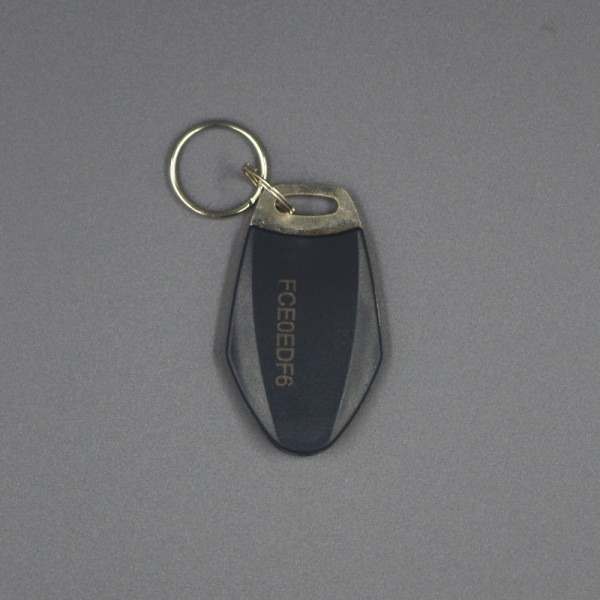
ABS RFID Keyfob
ABS RFID keyfobs pair a 125 kHz LF or 13.56 MHz HF chip (EM4200 / EM4305 / T5577 / MIFARE Classic 1K / MIFARE DESFire EV3 / NTAG 424 DNA /...
Explore ABS RFID Keyfob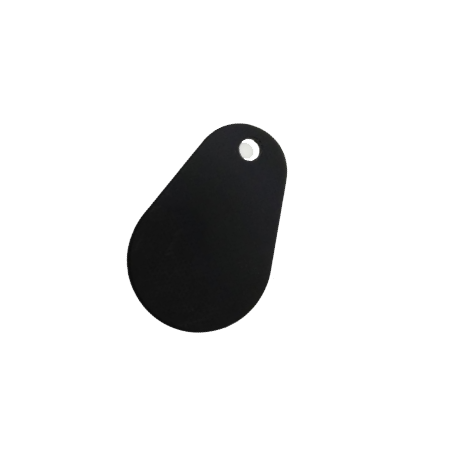
Dual-Frequency Key Fobs
Dual-frequency key fobs embed two electromagnetically-isolated RFID chip-antenna systems — a 125 kHz LF transponder (EM4100 / T5577 / HID P...
Explore Dual-Frequency Key Fobs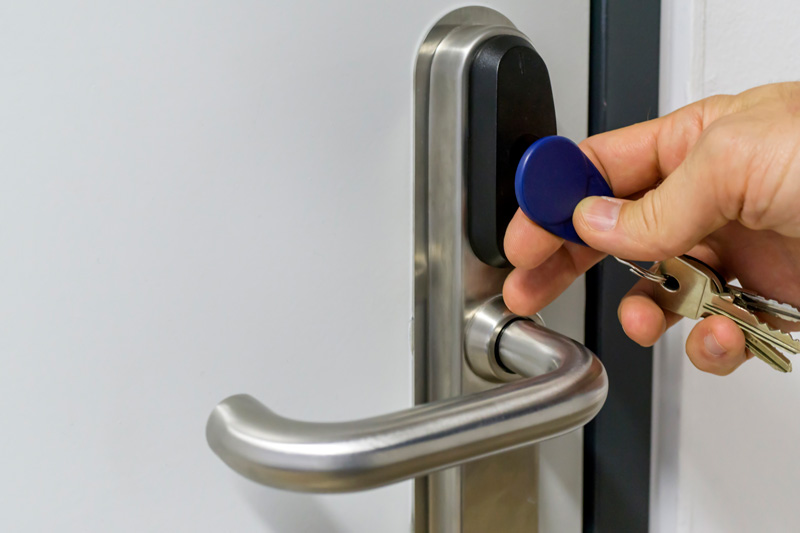
EM4305 Keyfob
EM4305 keyfobs contain a rewritable 125 kHz LF RFID chip (ISO/IEC 18000-2 air-interface, 512-bit EEPROM, 100,000 write-cycle endurance, 32-...
Explore EM4305 Keyfob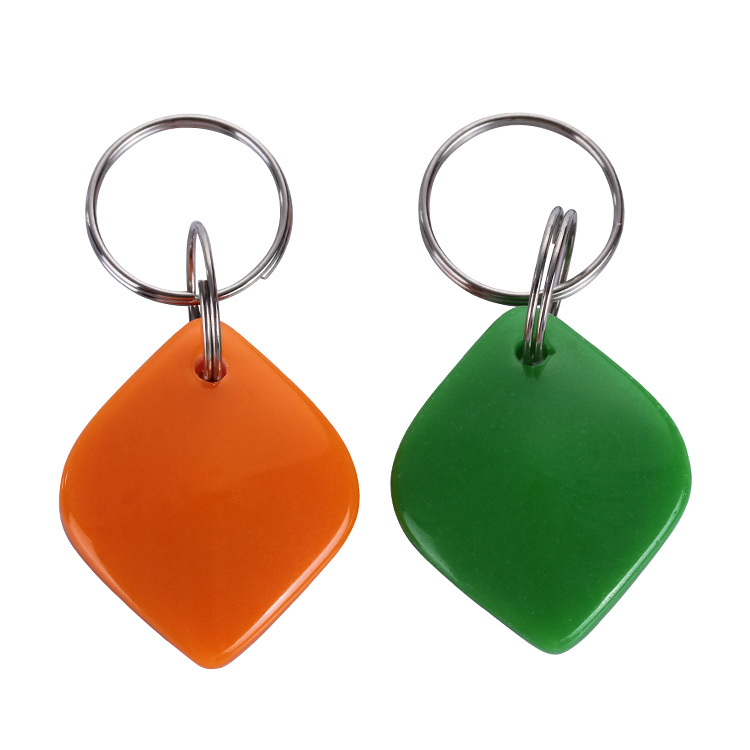
Epoxy RFID Keyfob
Epoxy RFID keyfobs pot the inlay and chip in a cross-linked epoxy resin dome (bisphenol-A-epichlorohydrin with aliphatic amine hardener) ov...
Explore Epoxy RFID Keyfob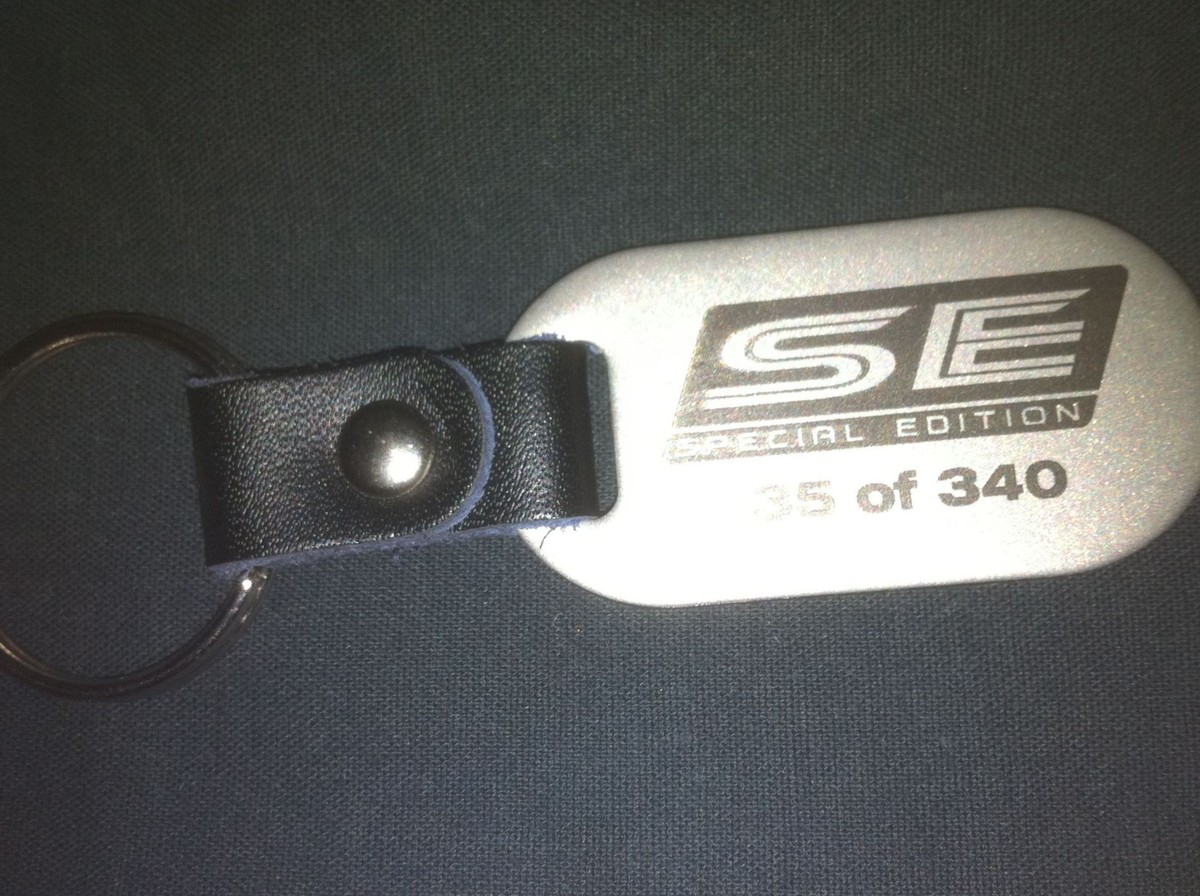
Metal RFID Keyfob
At BOM level, metal RFID keyfobs use 316L stainless steel, die-cast zinc alloy (ZA-4 / ZA-8) or anodised aluminium (6061 / 7075) as the str...
Explore Metal RFID Keyfob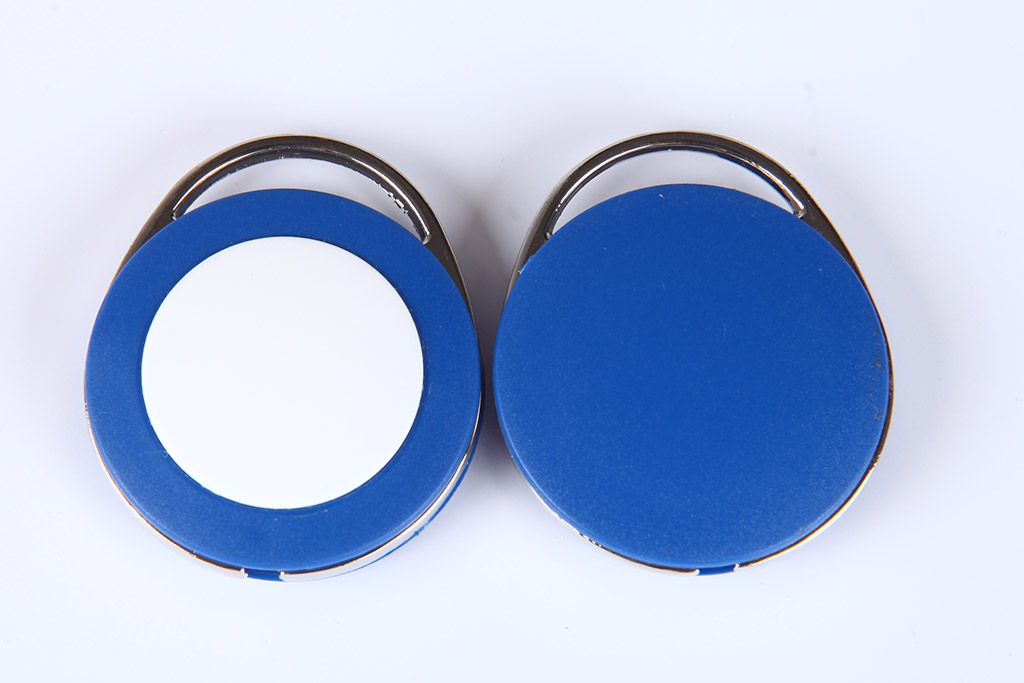
MIFARE DESFire Keyfob
MIFARE DESFire keyfobs deliver the same AES-128 authentication, Common Criteria EAL5+ silicon, ISO/IEC 14443-3/4 air-interface, ISO/IEC 781...
Explore MIFARE DESFire Keyfob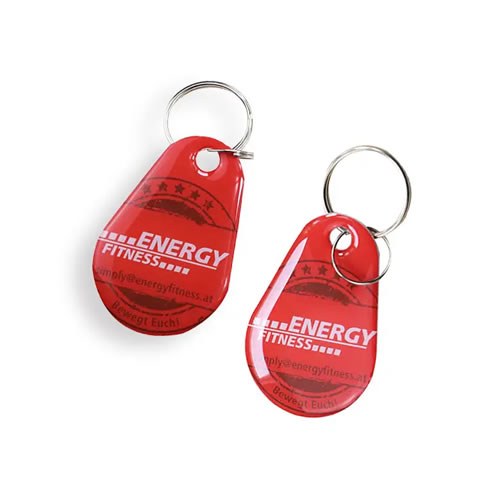
NFC Epoxy Key Tag
NFC epoxy key tags pair an NTAG 213 / 215 / 216 / 424 DNA or MIFARE DESFire EV3 HF 13.56 MHz inlay with a CMYK-printed PVC / PET face and a...
Explore NFC Epoxy Key Tag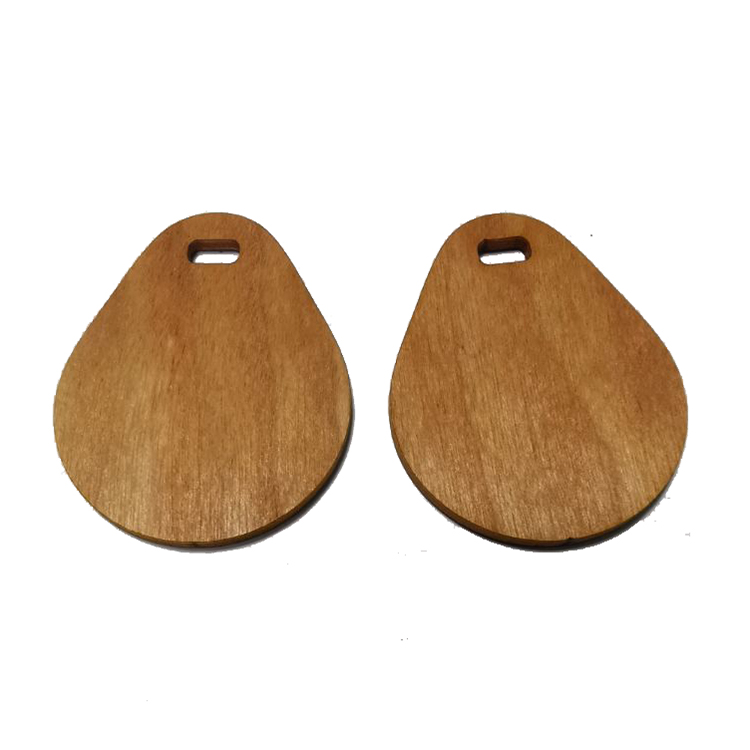
NFC Wood & Bamboo Keychain Tag
NFC wood and bamboo keychain tags embed an NTAG213 / 216 or NTAG 424 DNA inlay inside a laser-engraved FSC- or PEFC-certified wood body (ba...
Explore NFC Wood & Bamboo Keychain Tag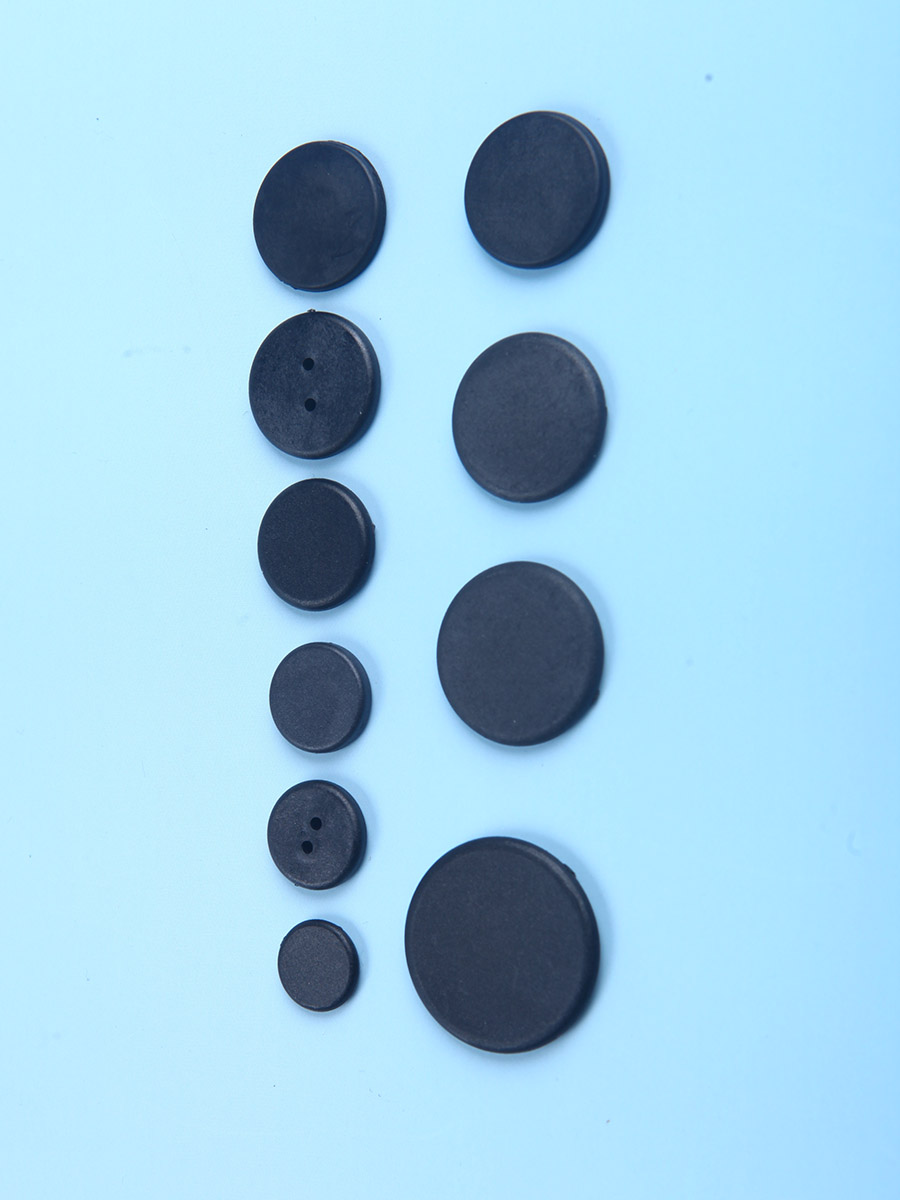
RFID Coin Keyfob
RFID coin keyfobs are compact round credentials (Ø 25 / 30 mm × 3-4 mm, pocket + keyring carry) engineered for cashless micropayment in lau...
Explore RFID Coin Keyfob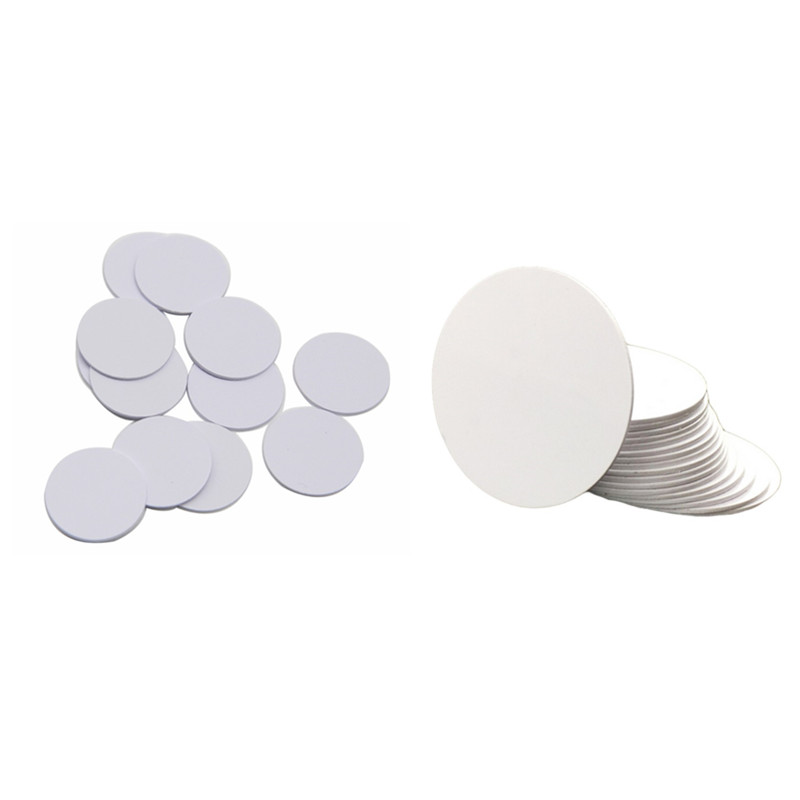
RFID Coin Tag / Token
At BOM level, RFID coin tags are no-hole disc-format transponders in ABS / PVC / epoxy, die-cut to ±0.1 mm diameter tolerance across a 13-5...
Explore RFID Coin Tag / Token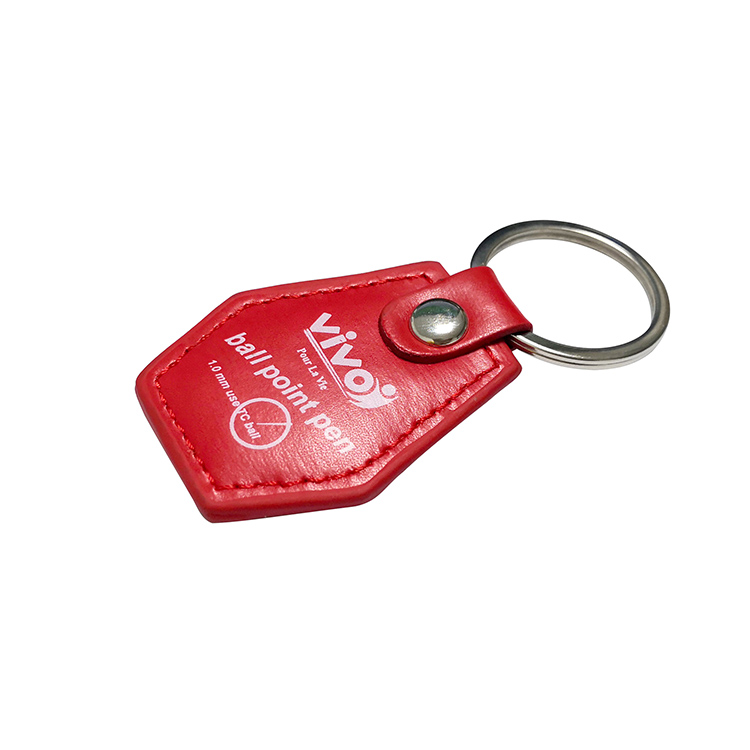
RFID Leather Keyfob
RFID leather keyfobs encase an HF or LF inlay inside a stitched full-grain cowhide, vegetable-tanned cowhide, chrome-free cowhide or microf...
Explore RFID Leather Keyfob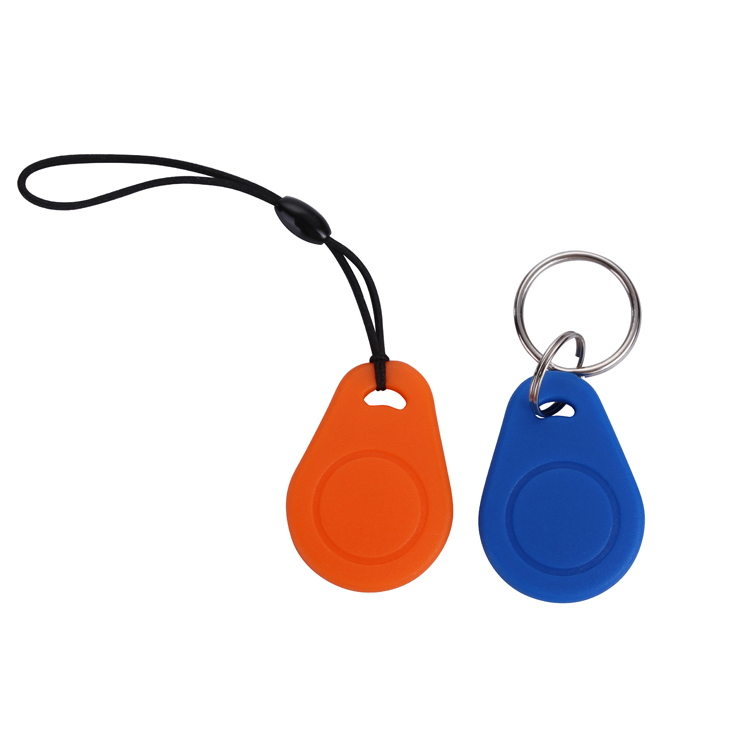
RFID Silicone Keyfob
RFID silicone keyfobs encapsulate an HF or LF inlay inside a platinum-cured polydimethylsiloxane (PDMS) body, delivering a credential that...
Explore RFID Silicone Keyfob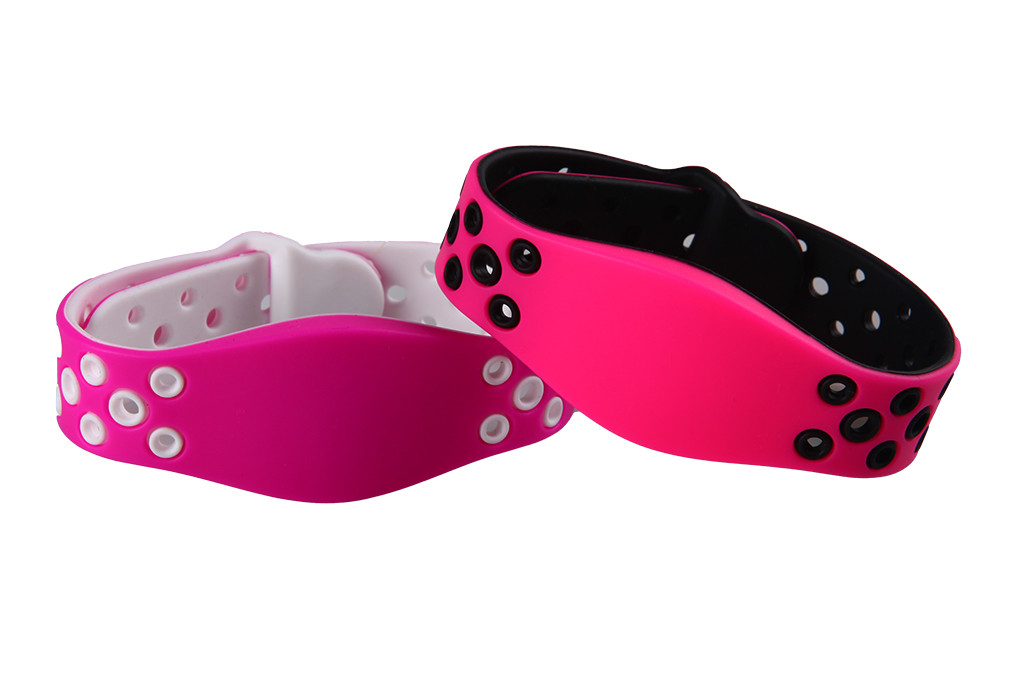
RFID Watch Tag
RFID watch tags pair a 38-42 mm case (ABS or zinc-alloy, ISO 22810 water-resistant) with a medical-grade silicone or nylon NATO band worn c...
Explore RFID Watch Tag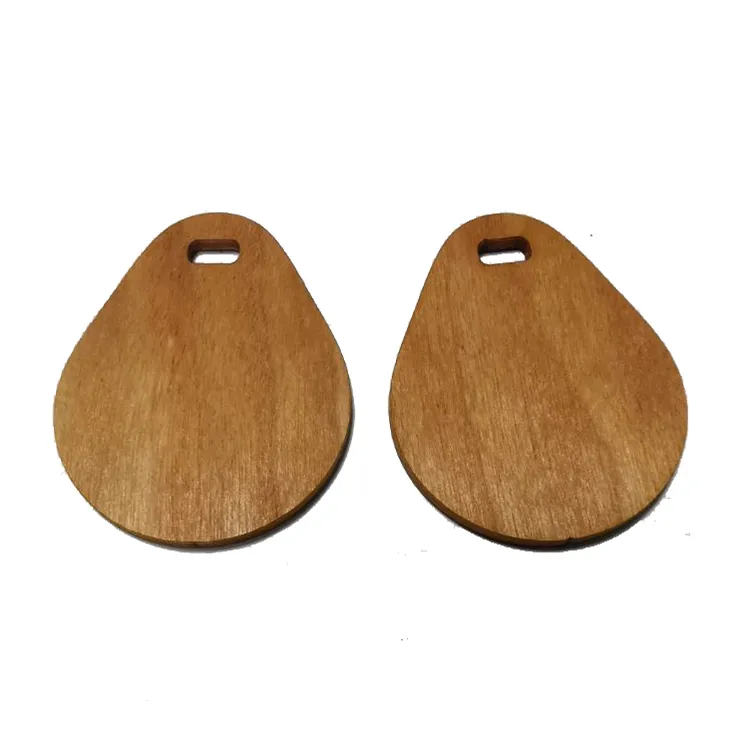
RFID Wooden Keyfob
The RFID Wooden Keyfob pairs an FSC-certified wood body with a contactless RFID or NFC inlay. It is designed for membership, access-control...
Explore RFID Wooden Keyfob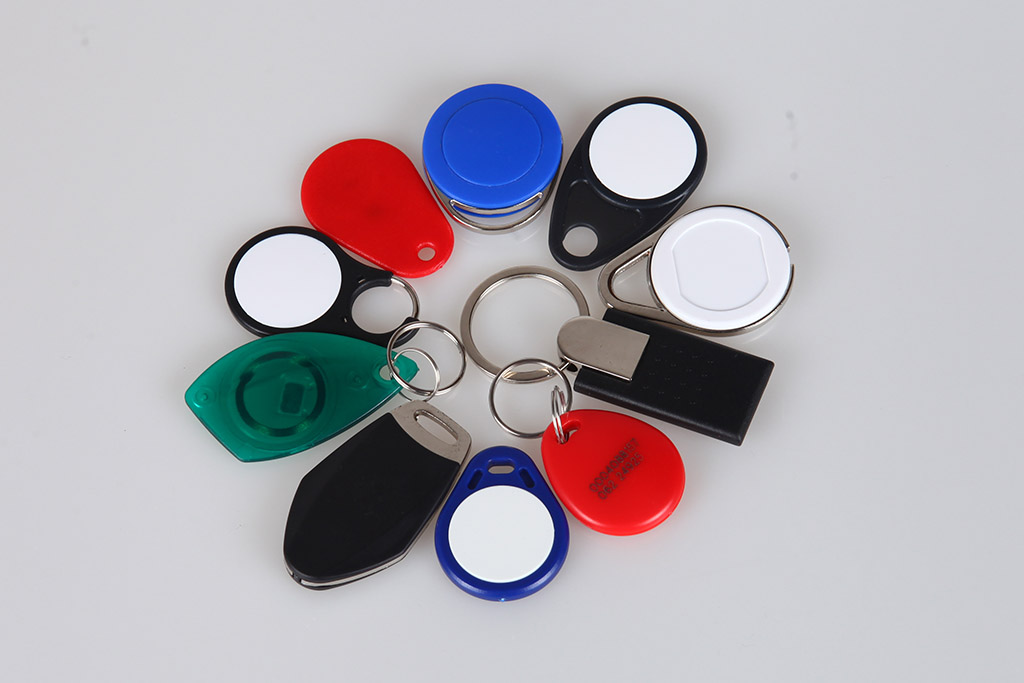
T5577 Keyfob
The rewriteable 125 kHz LF chip (Atmel / Microchip ATA5577) keyfobs are the broadest 125 kHz LF credential ProudTek offers — 330-bit EEPROM...
Explore T5577 KeyfobAt a glance
Use these short answers to decide whether this page matches the project before moving into the detail.
Key takeaway
14 RFID keyfob, NFC key tag and coin-tag SKUs. ABS, silicone, leather, metal, epoxy, bamboo / wood, coin and wristwatch-format housings. LF 125 kHz, HF 13.56 MHz and UHF 860-960 MHz in any chip combination on request.
What is an RFID keyfob?
An RFID keyfob is an RFID chip and antenna encapsulated in a small durable housing with a keyring hole, designed to be carried on a keyring or lanyard for tap-to-open, t...
Next step
Ready to move forward? Start your inquiry to get specific answers for this project.
Request keyfob samples & a quoteWhat is an RFID keyfob?
An RFID keyfob is an RFID chip and antenna encapsulated in a small durable housing with a keyring hole, designed to be carried on a keyring or lanyard for tap-to-open, tap-to-clock and tap-to-identify applications.
Keyfobs entered the mass market in the 1990s as proximity-card alternatives for residential and light-commercial access control. HID Prox II, ioProx, Indala and AWID fobs at 125 kHz dominated the first two decades. The 13.56 MHz generation (MIFARE Classic 1K and later DESFire EV1/EV2/EV3) began to take over in the 2010s as cloning of LF Prox became trivial with consumer tools (Proxmark 3, ChameleonMini, Flipper Zero). Today a greenfield access-control installation almost always specifies HF 13.56 MHz with AES-128 security (MIFARE Plus SE or DESFire EV3) or a dual-frequency fob for backward compatibility.
In 2024-2026 three trends shape keyfob demand: migration from CRYPTO-1 (MIFARE Classic) to AES-128 (DESFire EV3) in enterprise access, rapid growth of NFC smart rings and coin-format NFC tags for consumer payment and social-tap, and wider adoption of dual-technology fobs that carry both an LF T5577 (for legacy existing readers) and a 13.56 MHz MIFARE DESFire chip (for new installations) in the same housing.
- Typical dimensions: 30 × 38 × 5 mm (standard ABS teardrop), 24 × 24 × 3 mm (coin), 40 × 26 × 4 mm (leather patch).
- Housings: ABS plastic (most common), silicone (soft, colourful, IP68), leather (premium), metal (key-ring style), epoxy (custom shape), wood or bamboo (eco), 25 mm coin (adhesive-mounted).
- Chip selection is independent of housing. Any major chip family can be fitted into any housing on request.
- IP rating: standard ABS / epoxy keyfobs are IP54-IP65; silicone fobs with moulded-in antenna reach IP68; no keyfob is rated IP69K.
How RFID keyfobs work
Keyfobs operate in LF, HF and UHF bands depending on the reader infrastructure.
- LF 125 kHz per ISO/IEC 18000-2 — legacy access control. Chips: EM4100 (read-only), EM4200, EM4305 (R/W), T5577 (clone / emulation), Hitag 1 / 2 / S, HID Prox II, Indala. Read range 5-15 cm. No cryptography in most cases.
- HF 13.56 MHz per ISO/IEC 14443-3 Type A/B and ISO/IEC 15693 — the modern default. Chips: MIFARE Classic 1K, MIFARE Plus SE (AES-128 backward-compatible), MIFARE DESFire EV1 / EV2 / EV3 (full AES-128 file system), MIFARE Ultralight EV1, NTAG213 / 215 / 216 / 424 DNA, ICODE SLIX2. Read range 3-6 cm (keyfob antennas are smaller than card antennas).
- UHF 860-960 MHz per ISO/IEC 18000-63 — long-range gate and vehicle ID. Chips: NXP UCODE 9, Impinj M750 / Monza R6. Read range 1-4 m on a keyring held outside a window; drops under 1 m inside a pocket.
- Dual-frequency fobs combine two chips in one housing. Typical pairings: (a) LF T5577 + HF MIFARE DESFire for gradual reader migration, (b) LF EM4305 + UHF UCODE 9 for short-range staff + long-range vehicle.
Types of RFID keyfobs
Every SKU page below links back to this pillar. Pick the housing for the physical environment and the chip for the reader infrastructure.
- Standard access-control housings. RFID ABS keyfob, RFID silicone keyfob, RFID leather keyfob, RFID metal keyfob, RFID epoxy keyfob, NFC wood keychain tag.
- Chip-specific: EM4305 keyfob (LF 125 kHz read/write), T5577 keyfob (LF 125 kHz clone / emulation), MIFARE DESFire keyfob (13.56 MHz AES-128), NFC epoxy key tag (NTAG213 / 424 DNA for tap-to-URL).
- Multi-function: Dual-frequency key fob (LF + HF combo), RFID coin keyfob (25 mm coin with keyring hole), RFID coin tag (25 mm adhesive-back coin, non-keyring), RFID wristwatch tag (watch-strap integration).
Keyfob chip & housing comparison matrix
A quick reference for matching chip and housing to the deployment.
| Housing / chip | Frequency | Read range | Security | Best for |
|---|---|---|---|---|
| ABS + EM4100 | 125 kHz LF | 5-12 cm | None (clear ID) | Residential low-security, legacy retrofit |
| ABS + T5577 | 125 kHz LF | 5-12 cm | None | Clone of existing HID Prox / Indala |
| ABS + MIFARE Classic 1K | 13.56 MHz HF | 3-5 cm | CRYPTO-1 (broken) | Legacy 13.56 access, low-security |
| Silicone + MIFARE Plus SE | 13.56 MHz HF | 3-5 cm | AES-128 | Enterprise access, Classic migration |
| Leather + MIFARE DESFire EV3 | 13.56 MHz HF | 3-5 cm | AES-128, 3DES, SUN | Premium corporate, hotel VIP |
| Metal + NTAG424 DNA | 13.56 MHz HF | 2-4 cm | AES-128, SUN | Tap-to-URL + anti-clone |
| Epoxy + UCODE 9 UHF | 860-960 MHz UHF | 1-4 m (line-of-sight) | Access password | Parking gate, long-range vehicle ID |
| Coin + NTAG213 (adhesive) | 13.56 MHz HF | 2-4 cm | 32-bit password | Social-tap, review, vCard |
Choosing the right RFID keyfob
Five decisions drive a keyfob specification.
- 1. Existing reader: identify the reader already deployed. HID Prox II (125 kHz, 26-bit H10301) requires a T5577 or HID-compatible fob; MIFARE DESFire EV2 reader requires EV2 or EV3 fob; iCLASS SE reader requires iCLASS-compatible fob.
- 2. Security level: MIFARE Classic 1K is cryptographically broken; do not specify for new deployments. Default to MIFARE Plus SE (AES-128 backward-compatible) or DESFire EV3 (AES-128 file system).
- 3. Environment: indoor office: ABS or leather. Outdoor / sport: silicone with IP68. Industrial / chemical: epoxy with sealed antenna. Gym locker / sweat: silicone or epoxy.
- 4. Dual-technology migration: if replacing LF with HF over years, specify a dual-frequency fob that carries both T5577 and MIFARE DESFire so both old and new readers continue to work during the transition.
- 5. Pre-encoding: UID lock, sector-key programming, DESFire application and file layout, AES-128 diversified keys per NXP AN10922. All Proud Tek fobs ship pre-programmed to the customer's key set under ISO/IEC 27001 controlled process.
Standards & compliance
Keyfob-relevant standards and certifications.
- ISO/IEC 18000-2 — LF 125-134.2 kHz air interface.
- ISO/IEC 14443-3:2018 — HF proximity (MIFARE, DESFire, NTAG).
- ISO/IEC 15693:2018 — HF vicinity (ICODE SLIX2).
- ISO/IEC 18000-63:2021 — UHF RAIN (UHF keyfobs for vehicle / gate).
- ISO/IEC 7816-4 — APDU command set underlying MIFARE DESFire.
- NFC Forum Type 2 / Type 4 — NDEF platforms for NTAG keyfobs.
- FIPS 201 / PIV: US federal high-security credential reference (some enterprise fobs align to PIV).
- IEC 60529 IP rating — ingress (IP54-IP68 for keyfobs).
- IEC 60068-2-31 — drop-test methodology (1.5 m onto concrete typical).
- FCC 47 CFR Part 15.247 / ETSI EN 302 208 / SRRC 920-925 MHz / ARIB STD-T106 — regional UHF regulation for UHF fobs.
- NXP AN10922 — AES-128 key-diversification reference for DESFire / Plus issuance.
- RoHS 3 (EU 2015/863) / REACH — material compliance.
Applications by industry
- Hospitality: staff back-of-house access, VIP guest keyring, spa cabinet.
- Industrial manufacturing. Time-and-attendance clocks, tool-crib access, locker.
- Healthcare: staff door access, controlled-drug cabinet, locker.
- Fitness: gym locker, member check-in, tanning booth.
- Education: staff door access, dormitory, library, canteen.
Common pitfalls
- Specifying MIFARE Classic 1K for a new access-control deployment. CRYPTO-1 is broken since 2008; use MIFARE Plus SE or DESFire EV3.
- Copying an EM4100 fob with a T5577 clone without understanding site policy. LF Prox clones are trivial and create audit gaps.
- Ignoring the reader: a 13.56 MHz MIFARE DESFire fob will not read on an HID iCLASS-only reader even though both are 13.56 MHz; the command set and cryptography differ.
- Specifying a metal keyfob without a slot antenna. The metal shields the HF field; use a purpose-built metal keyfob with a dielectric slot.
- Skipping pre-encoding: fobs ordered unprogrammed create an on-site programming bottleneck that caps issuance at 2-4 fobs per minute per encoder.
Editorial review
This pillar was reviewed in April 2026 by Proud Tek engineering and the ProudTek Editorial Board. Chip families, cryptographic status, IP-rating claims and compliance references reflect the current state of the standards and public cryptanalysis literature at publication.
Useful next pages
Use these linked product, guide and comparison pages to keep the next click specific and practical.
Reference keyfob SKUs
The keyfob SKU pages most often linked from access control and hospitality content.
Access-control integration
Reference guides and comparisons for specifying keyfobs alongside the rest of the credential stack.
FAQ
Which chip should I specify for a new access-control keyfob?
MIFARE DESFire EV3 is the 2026 default for a greenfield 13.56 MHz deployment. AES-128, ISO/IEC 7816-4 APDU command set, up to 28 applications, diversified keys per NXP AN10922. MIFARE Plus SE is a cheaper option when the existing reader fleet still expects MIFARE Classic 1K memory mapping and cannot yet be upgraded. Avoid MIFARE Classic 1K for new deployments. CRYPTO-1 is broken and clones are trivial. For LF-only legacy sites use EM4305 (read/write, low-security) or T5577 (clone-capable, for HID Prox retrofit). For NFC tap-to-URL plus access, NTAG424 DNA delivers AES-128 SUN authentication in the same fob.
Can I clone an RFID keyfob?
It depends on the chip. EM4100, EM4200, HID Prox II and MIFARE Classic 1K fobs can be cloned in seconds with a Proxmark 3, ChameleonMini or Flipper Zero because the underlying ciphers are either non-existent (EM4100) or publicly broken (CRYPTO-1). MIFARE Plus SE (AES-128 security level 3), MIFARE DESFire EV2/EV3, NTAG424 DNA, ICODE DNA, HID iCLASS SE / Seos and LEGIC advant are not practically clonable without key material. Copy shops can clone LF Prox fobs because the site is not protecting itself, not because the technology is secure; any modern enterprise should migrate to AES-128.
Will a 13.56 MHz keyfob work with my HID iCLASS reader?
Not by default. ISO/IEC 14443 operates at 13.56 MHz but the higher protocol layers differ. MIFARE Classic / Plus / DESFire use NXP-proprietary protocols, whereas HID iCLASS uses a proprietary HID implementation on top of ISO 15693 and iCLASS SE uses Seos. A standard MIFARE keyfob will NOT authenticate on an iCLASS reader. Proud Tek supplies HID iCLASS-compatible fobs programmed to your site's CSN or Corporate 1000 format; specify the HID reader model and credential format when ordering.
What is a dual-frequency RFID keyfob?
A dual-frequency keyfob contains two RFID chips in one housing. Typically an LF 125 kHz chip (EM4305 or T5577, compatible with HID Prox II / Indala / AWID / EM4100) and an HF 13.56 MHz chip (MIFARE DESFire EV3 or Plus SE). Both chips are readable independently, so the same fob works at an old 125 kHz reader and a new 13.56 MHz AES reader. Dual-frequency fobs are the standard approach to a multi-year reader-migration programme. Users keep the same fob while IT rolls out new readers building by building.
How waterproof is an RFID keyfob?
Standard ABS and epoxy keyfobs are rated IP54 or IP65 — fully protected against dust and against water jets from any direction, but not submersible for extended periods. Silicone fobs with moulded-in antenna reach IP67 or IP68 (immersible to 1 m for 30 minutes). No standard keyfob is rated IP69K (high-pressure high-temperature wash-down). That is a tag rating, not a keyfob one. For marine, car-wash or pressure-wash environments specify a silicone IP68 fob.
What is the read range of an RFID keyfob?
LF 125 kHz keyfobs (EM4100, T5577, HID Prox II) read 5-12 cm from a standard proximity reader. HF 13.56 MHz keyfobs (MIFARE Classic / Plus / DESFire, NTAG424 DNA, iCLASS) read 3-6 cm. UHF 860-960 MHz keyfobs (UCODE 9, Monza R6) read 1-4 m in line-of-sight on a keyring held outside the window, dropping to well under 1 m when the keyring is inside a trouser pocket (body water absorption). Keyfob antennas are smaller than card antennas, so keyfob read range is typically 30-40% shorter than a card with the same chip at the same reader.
Can an NFC keyfob be scanned with a smartphone?
Yes: NFC keyfobs with NTAG213, NTAG215, NTAG216 or NTAG424 DNA chips can be tapped against any iPhone 7+ or NFC-enabled Android phone to trigger a URL, vCard, Google review link or custom deep-link. MIFARE Classic and DESFire keyfobs can be read by iPhone XS+ and modern Android phones using specialist apps (NFC Tools, TagInfo) but are not designed for consumer tap-to-URL. For that use case specify an NTAG213 or NTAG424 DNA fob.
How many keyfobs can be ordered as a minimum?
Standard plain-colour ABS keyfobs from stock: 100 pieces per chip family. Custom-colour silicone or printed ABS: 500-1,000 pieces minimum for colour matching and print-plate amortisation. Leather and metal keyfobs with custom engraving: 500 pieces. Dual-frequency fobs: 1,000 pieces because the two inlay chips must be sourced and assembled together. Pre-encoding (UID lock, sector-key programming, AES-128 diversified keys, HID Corporate 1000 format, DESFire application layout) adds no MOQ and is recommended for any order of 500+ fobs.
Sources & references
Primary standards, OEM datasheets and regulatory documents cited by this article. All URLs were verified on the access date shown below.
- ISO/IEC 18000-2:2009 — Parameters for air interface communications below 135 kHz
LF 125-134.2 kHz air-interface standard for EM4100/EM4200/EM4305/T5577 keyfobs.
- ISO/IEC 14443-3:2018 — Identification cards — Contactless integrated circuit cards — Proximity cards — Part 3: Initialization and anticollision
HF 13.56 MHz Type A/B anticollision for MIFARE Classic / Plus / DESFire and NTAG keyfobs.
- ISO/IEC 15693-3:2019 — Identification cards — Contactless integrated circuit cards — Vicinity cards — Part 3: Anticollision and transmission protocol
HF vicinity protocol underlying ICODE SLIX2 keyfobs and the iCLASS platform.
- ISO/IEC 18000-63:2021 — Parameters for air interface communications at 860 MHz to 960 MHz Type C
UHF RAIN air-interface standard used by UHF keyfobs for parking-gate and vehicle-ID.
- ISO/IEC 7816-4:2020 — Identification cards — Integrated circuit cards — Part 4: Organization, security and commands for interchange
APDU command set used by MIFARE DESFire EV2/EV3 keyfob authentication flows.
Proud Tek is a Shenzhen-based RFID & NFC manufacturer supplying hotel chains, transit operators, event venues and retail brands worldwide. Every order includes free samples, RF testing and dedicated project support.
Get a Quick Quote
Tell us about your project and we'll respond within one business day. Fields marked (asterisk) are required.