
Reader Solution
RFID Readers and Card Encoding
Buyer's Guide

Quick answer
In typical buyer programmes, this page is for teams choosing RFID readers, USB encoders or test benches and still deciding which protocol (LLRP / SIP2 / NCIP / MIFARE / NDEF), chip family (Impinj R700 / R420 fixed UHF, Zebra FX9600 / FX7500 fixed, Honeywell IF61 fixed, ACS ACR122U / ACR1252U / Omnikey 5021 / 5022 / 5427 desktop NFC, Zebra RFD40 / RFD8500 / Chainway / TSL handheld UHF), SDK support (Impinj IRT / Octane / ItemSense, Zebra DataWedge / RFID3, NXP TapLinx / TagXplorer) and operating workflow (lab test bench vs at-desk issuance vs front-desk encoding vs warehouse portal) fit the real enrollment, issuance, inventory or audit job.
- Protocol and software environment should drive the first shortlist before reader form factor does.
- A reader is only a fit if it matches the cards, tags and host workflow the team actually uses.
- The best pilot validates drivers, SDK behavior and card handling together, not in separate steps.
Featured Readers & Encoding Products
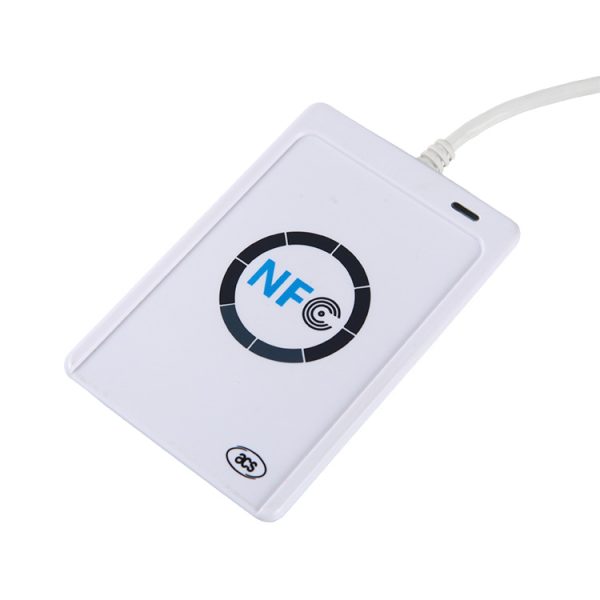
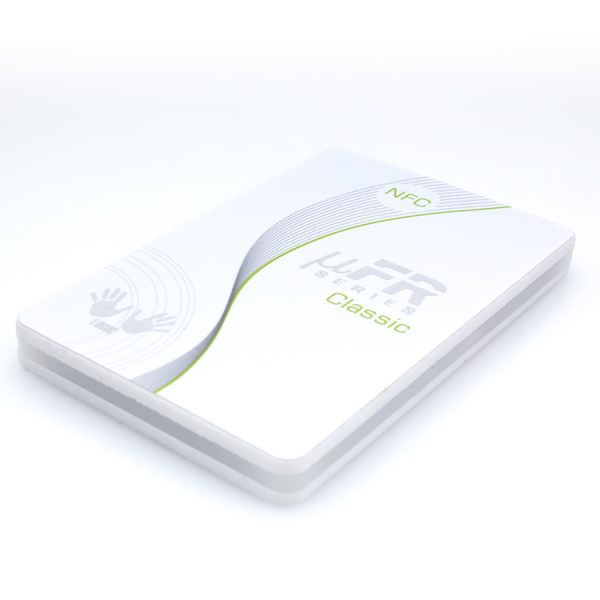
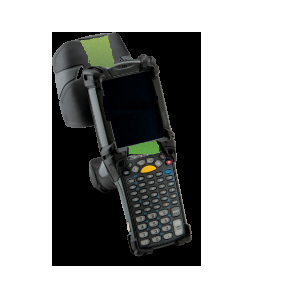
SKUs we typically deploy for readers & encoding. Tap a card for specs and samples.
At a glance
Use these short answers to decide whether this page matches the project before moving into the detail.
Programme fit
Teams enrolling, testing or encoding cards on a desktop or front-desk workstation. Software and hardware teams validating NFC, MIFARE or HF card behavior before deployme...
What to confirm
Card or tag family, LF/HF/UHF protocol and which exact credentials the reader must handle first. Host environment, interface and whether the workflow depends on SDKs, dr...
Next step
Ready to move forward? Start your inquiry to get specific answers for this project.
Ask for reader recommendation- Catalogue starting points
- Specification deep dives
- Reader form-factor decision tree
-
- Desktop NFC encoder — at-desk card programming + issuance + lab test (ACR122U, Omnikey 5021/5022, uTrust 3700F).
- Front-desk encoder — hotel + corporate badge issuance integrated with PMS / HCM (ASSA ABLOY VingCard Allure, Saflok 5750).
- Handheld UHF — picker walk-around + audit + tool-crib (Zebra RFD40 / RFD8500, Honeywell CT60, TSL 1128 / 1166, Chainway).
- Fixed UHF — dock-door portal + shelf + room (Impinj R700 / R420, Zebra FX9600 / FX7500, Honeywell IF61).
- Smartphone NFC sled — for ServiceNow / Salesforce mobile workflows (Zebra RFD90 + iPhone / Android).
- Test-bench encoder — silicon validation + R&D test (NXP TagXplorer + TagWriter, Impinj Indy R2000 dev kit).
- Vehicle-mount UHF — yard / drayage / forklift-mount (Zebra FX9600 + ruggedised antenna).
- Self-checkout kiosk reader — library + retail self-service (Bibliotheca SmartServe, EnvisionWare OneStop).
- Air interface + protocol matrix
-
- ISO/IEC 14443-A/B (HF 13.56 MHz) — MIFARE Classic / Plus / DESFire / Ultralight + iCLASS Seos.
- ISO/IEC 15693 (HF 13.56 MHz Vicinity) — ICODE SLIX / SLIX2 + library + laundry tags.
- ISO/IEC 18000-63 (UHF 860–960 MHz Gen2v2) — global UHF baseline (Impinj / NXP / Alien chips).
- NFC Forum Type 2 / Type 4 Tag — NTAG21x + NTAG 424 DNA NDEF dispatch.
- ISO/IEC 18000-2 (LF 125 kHz) — EM4100 / HID Prox legacy access.
- EPCglobal LLRP 1.1 — reader-to-host protocol for UHF integration.
- GS1 EPC TDS 2.1 — encoding scheme (SGTIN / SSCC / GIAI / GRAI).
- GS1 EPCIS 2.0 — event-sharing standard for downstream visibility.
- Wiegand (legacy) + OSDP v2.2 (modern) — reader-to-PACS panel protocols.
- SDK + driver ecosystem
-
- Impinj Octane SDK + IRT (Indy Reader Toolkit) — Java + .NET + Node.js bindings for R700 / R420.
- Impinj ItemSense — cloud-managed reader fleet + REST API.
- Zebra DataWedge + RFID3 SDK — Android + Windows for FX9600 + RFD40.
- Zebra MotionWorks — cloud-managed retail / warehouse fleet management.
- Honeywell SmartTalk + IF61 SDK — fixed UHF + handheld integration.
- ACS PC/SC + acspy + node-pcsclite — desktop NFC encoder bindings.
- NXP TapLinx + TagXplorer — MIFARE / DESFire / NTAG application development.
- HID Asure ID + Lumidigm + iCLASS SE — enterprise PACS encoding.
- Salto ProAccess SPACE + Lenel BadgeDesigner + EasyLobby Visitor — front-desk encoding sequences.
- Use case matrix — what each reader class solves
-
- At-desk badge issuance — desktop NFC encoder + photo-printer combo (HID FARGO HDP6600, Zebra ZC10L, Evolis Avansia).
- Hotel key encoding — front-desk encoder integrated with PMS (Oracle OPERA / Mews / Cloudbeds) → ASSA ABLOY VingCard / Saflok / Salto.
- Library self-checkout — desktop NFC encoder + sortation + EAS gate.
- Warehouse dock-door portal — fixed UHF reader + ground-mat + side-curtain antenna.
- Retail item-level audit — handheld UHF walk-around with RFID4Retail / SimpleRFID app.
- Tool-crib smart cabinet — embedded UHF reader + drawer-presence sensor (CribMaster / Snap-On Level5).
- Race-timing — UHF mat decoder (ChronoTrack J / MYLAPS X2 / Race|Result decoder).
- Brand-authentication tap-to-verify — consumer phone NFC (no dedicated reader).
- Frequency band + regional regulation
-
- US FCC Part 15 Subpart C — UHF 902–928 MHz; 4 W EIRP max.
- EU ETSI EN 302 208 — UHF 865.6–867.6 MHz; 2 W ERP.
- Japan ARIB STD-T106 — UHF 916.7–920.9 MHz.
- China GB UHF 920.5–924.5 MHz.
- Brazil ANATEL — UHF 902–907.5 + 915–928 MHz.
- Australia ACMA — UHF 920–926 MHz.
- ITU Region 1 vs Region 2 vs Region 3 spectrum harmonisation drives multi-region reader SKUs.
- HF 13.56 MHz globally harmonised (ISO/IEC 14443 + 15693).
- LF 125 kHz globally available (ISO/IEC 18000-2).
- Programme economics + TCO
-
- Desktop NFC encoder: $50–$300 (ACR122U, Omnikey 5021/5022, uTrust 3700F).
- Front-desk hotel encoder: $400–$2,000 (ASSA ABLOY VingCard Allure, Saflok 5750).
- Handheld UHF: $500–$3,000 (Zebra RFD40 + smartphone, RFD8500, Honeywell CT60, TSL 1128).
- Fixed UHF: $1,500–$5,000 (Impinj R700, Zebra FX9600, Honeywell IF61).
- Antenna: $200–$800 per antenna; gantry / portal-style $1,000–$3,000.
- Software / SDK: most vendor SDKs free; cloud fleet platforms $500–$5,000 / month.
- Reader-as-a-Service: emerging model from Impinj ItemSense + Zebra MotionWorks; subscription-based.
- Total deployment cost: $5K SMB + $50K mid-market + $500K enterprise warehouse / retail.
- Pilot + validation workflow
-
- Confirm air-interface + chip family + protocol per use case.
- Procure reader + 100–500 sample tags + SDK / driver setup.
- Lab test: read range + read rate + write reliability + edge cases.
- Pilot deployment: 1 reader at 1 location for 30 days; gather operator feedback.
- Iteration: tune antenna placement + power level + filter rules.
- Production rollout: scale to estate; cloud fleet management for multi-site.
- Validation: per-reader uptime + error rate + integration health monitoring.
- Annual refresh: firmware update + SDK version alignment + chip-family re-evaluation.
- What this solution is NOT — adjacent scope
-
- NOT a single-SKU reader product page — see /products/rfid-readers/ for individual SKUs.
- NOT a corporate access programme — see /solutions/rfid-access-control/.
- NOT a hotel encoder programme — see /solutions/hotel-key-cards/ + /solutions/hotel-rfid-access-control/.
- NOT a supply-chain visibility programme — see /solutions/rfid-supply-chain-management/.
- NOT a warehouse operational programme — see /solutions/rfid-warehouse-management/.
- NOT a software-only middleware buyer guide — covered separately under EPCIS broker / WMS integration.
What should decide the first shortlist
These are the details that usually remove the wrong formats, materials, or chip families before the first quote or sample round starts.
- Stage 1 — Use-case + chip-family + air-interface confirm
Confirm use case (issuance / audit / inventory / dock-door / kiosk). Confirm chip family (NTAG213 / DESFire EV3 / iCLASS Seos / EM4100 / Impinj Monza R6-P / NXP UCODE 8/9). Confirm air interface (HF / UHF / LF / NFC). Confirm host environment (Windows / Linux / iOS / Android / cloud).
- Stage 2 — Form-factor + reader-class shortlist
Match form factor to use case: desktop encoder for issuance, handheld for audit, fixed for dock-door portal, smartphone sled for mobile field-service. Shortlist 2–3 reader SKUs per class per major vendor (Impinj / Zebra / Honeywell / ACS / HID).
- Stage 3 — SDK + middleware compatibility check
Confirm SDK / driver / middleware support: Octane SDK / IRT for Impinj, DataWedge / RFID3 for Zebra, ACS PC/SC for desktop NFC, NXP TapLinx for MIFARE / DESFire. Validate against host platform (Windows / iOS / Android / Linux).
- Stage 4 — Pilot procurement (1 reader + 100–500 tags)
Order 1 reader + 1 antenna + 100–500 representative tags + SDK / driver setup. Lab test: read range + read rate + write reliability + edge cases. Iterate antenna placement + power level + filter rules.
- Stage 5 — Pilot deployment + 30-day field validation
Deploy to 1 location / station / dock-door for 30 days. Gather operator feedback. Monitor read-rate + uptime + error-rate + integration health. Tune deployment parameters.
- Stage 6 — Production order + multi-site rollout
Scale to estate. Cloud fleet management (Impinj ItemSense, Zebra MotionWorks) for multi-site. Standardise SOP per site. Train operators per site.
- Stage 7 — Integration to host + EPCIS / SIP2 / NCIP
Integrate to host platform: SAP EWM, Manhattan Active WM, ServiceNow ITAM, Maximo, ILS via SIP2 / NCIP, PMS via OPERA OVI / OWS. Establish EPCIS 2.0 event publishing if downstream visibility required.
- Stage 8 — Operate + audit + refresh on 5–7 year cycle
Reference clients across hospitality, healthcare, retail-apparel, logistics and government-defense-supply-chain programmes — quarterly firmware update + SDK version alignment; annual chip-family re-evaluation; 5–7 year reader hardware refresh; continuous LLRP / EPCIS / OSDP protocol upgrade tracking.
- Card or tag family, LF/HF/UHF protocol and which exact credentials the reader must handle first.
- Host environment, interface and whether the workflow depends on SDKs, drivers or custom app integration.
- Desktop, handheld or bench-top use plus the expected read distance, speed and operator behavior.
- Pilot timeline, quantity and whether the first goal is lab testing, issuance or live deployment support.
Reader form-factor decision tree — fixed / handheld / USB encoder / integrated
There is a reader form factor for almost every posture work takes — bolted above a dock door, walked down an aisle, sitting on an issuance desk, or nothing in hand but a phone. The discipline is to let the workflow choose the form factor rather than the reverse: start with where the read happens, the target distance, and the power and connectivity already on hand, and the list below narrows itself quickly.
- Fixed reader — mounted at portal / conveyor / shelf / dock door / gate. Typical 4-port + multi-antenna; PoE+ or PoE++ power; Linux + LLRP + REST API. Use cases: dock-door portal, retail-store loss-prevention, inventory shelf, library gate, parking lane. Vendors: Impinj R700 + R510 + R420, Zebra FX9600 + FX7500, Honeywell IF61 + IH40, Alien ALR-9900+. Cost $1.5K-$5K per unit.
- Handheld reader — gun-grip Android device with integrated UHF + barcode + camera. Use cases: warehouse picking, retail audit, inventory walk, MRO tool tracking, healthcare clinician handheld. Vendors: Zebra MC3300xR + RFD40 + RFD8500, Honeywell CT60-XP + CN80, TSL 1128 / 1166, Chainway C72. Cost $1.5K-$3.5K per unit.
- Smartphone sled — clip-on UHF reader attached to iPhone or Android via BLE; smaller form factor than dedicated handheld. Use cases: direct-store-delivery, field-service audit, contractor walk. Vendors: Zebra RFD90, TSL 1153 + 1166, U-Grok-It. Cost $1.5K-$3K per unit.
- Desktop / USB encoder — connected to PC via USB; encode + verify single tag at a time. Use cases: card issuance, kiosk encoding, lab development, sample-encoding for tag testing. Vendors: ACS ACR122U (most popular for NFC dev), HID Omnikey 5022 + 5427 + 5022CL, Identiv uTrust SmartFold, Plus-ID iCard. Cost $50-$300 per unit.
- Integrated reader — embedded inside the device that needs to read tags. Use cases: hotel-lock electronics + door, ATM + kiosk card reader, smart-shelf, vending machine, point-of-sale. Vendors: HID OMNIKEY 5022CL / 5421 ProxPro II, Elatec TWN4 multi-tech reader. Cost embedded per device.
- Pocket / mobile-app reader — smartphone-native NFC reading (no hardware sled); works on iPhone iOS 13+ and most Android phones. Use cases: tap-to-verify access, brand-authentication, marketing tap-to-pay, low-volume audit. Free (uses existing smartphone).
- RFID + camera hybrid — combines UHF reader with overhead camera for visual verification + identification. Vendors: KEONN Advan Box + AdvanShelf NF; Avery Dennison atma.io ConnectedSensors. Used in retail apparel smart fitting room + shelf-edge inventory.
- Automatic + walk-up portal — multi-antenna gantry covering corridor or doorway, often combined with people-counter + camera. Used at corporate access + library exit + retail-store loss-prevention.
- Active reader — for active RFID (with-battery) chips at 433MHz + 915MHz + 2.4GHz. Use cases: real-time location systems (RTLS) for asset + staff tracking; cold-chain temperature logger pairing. Vendors: Stanley AeroScout, CenTrak, Zebra MotionWorks.
- Form-factor decision — start with workflow + reader-target distance + power + connectivity environment; pick form factor; then pick chipset; then pick vendor + SKU; pilot before bulk procurement.
- Multi-form-factor stack — typical mid-large deployment has 2-3 form factors: fixed portal at receiving + handheld for picking + USB encoder at desk. SKU consolidation across form factors yields procurement leverage.
Air interface decision — LF 125 kHz / HF 13.56 MHz / UHF 860-960 MHz / NFC
- LF (Low Frequency, 125 kHz, ISO 11784/11785, ISO/IEC 14223) — inductively coupled; read range <10 cm; no cryptography on basic chips (EM4100, HID Prox); slow data rate; works through water + tissue + non-metallic surfaces. Use cases: animal ID + livestock + pet microchip, legacy access control proximity, automotive key-fob immobiliser.
- HF (High Frequency, 13.56 MHz, ISO/IEC 14443 + 15693) — inductively coupled; read range up to 1.5m at high power; supports cryptography (MIFARE Classic Crypto-1 broken, DESFire EV3 AES-128 secure, Plus AES-128 staged); medium data rate; standard NFC band. Use cases: access control card + key fob, hotel key, transit card, library tag (ISO 28560), payment card (ISO 14443-A), passport (ICAO 9303).
- UHF (Ultra High Frequency, 860-960 MHz, ISO/IEC 18000-63 Gen2v2 = RAIN RFID) — backscatter; read range 1-15m typical; long-range applications; reads through cardboard + plastic + non-conductive; degraded by water + metal (use anti-metal tags). Standard data rate. Use cases: supply chain + retail item-level + dock-door portal + race timing + vehicle access + asset tracking.
- NFC (Near Field Communication, 13.56 MHz subset of HF) — restricted to short range <10cm; ISO/IEC 14443 + ISO/IEC 18092 + NFC Forum tag types 1-5; supports smartphone tap. Use cases: tap-to-pay, brand authentication, marketing tap-to-page, business card, fitness tracker.
- Active RFID (433MHz + 915MHz + 2.4GHz with battery) — long-range (up to 100m) + active beacon; suitable for real-time location (RTLS) + temperature logger + tamper-seal. Use cases: cold-chain logger, equipment RTLS, infant security (Stanley Hugs).
- BLE (Bluetooth Low Energy, 2.4GHz, IEEE 802.15.4) — pairing-based; smartphone-native; range 10-30m. Use cases: mobile access credential, asset RTLS, retail beacon, fitness wearable.
- UWB (Ultra-Wideband, 3.1-10.6 GHz, IEEE 802.15.4z) — high-precision location (sub-meter); newer in commercial RTLS; common in operating-room + ER throughput optimisation (CenTrak), Apple AirTag, Samsung SmartTag+.
- Hybrid LF+HF dual-frequency — single card with both EM4100/HID Prox + MIFARE for legacy + modern migration; common in building-access estates mid-migration. ~$1.80-$3.50 unit.
- Hybrid HF+UHF dual-frequency — single tag with both 14443 + Gen2v2; rare but used in special-collection library + retail-apparel + hospitality where multi-protocol reader fleet exists.
- Decision matrix — security-critical short-range (door, payment, transit) → HF DESFire EV3 / Seos; long-range item-level (supply chain, retail, race, vehicle) → UHF Gen2v2; smartphone-tap consumer-facing (NFC business card, brand auth) → NFC (HF subset); legacy estate maintenance → LF EM4100/HID Prox until refresh; high-precision RTLS → UWB or active RFID.
- Regional regulatory split — UHF 902-928 MHz in US/Americas (FCC Part 15.247), 865.6-867.6 MHz in EU/UK (ETSI EN 302 208), 920-925 MHz in Japan (MIC), 920.5-924.5 MHz in Australia (ACMA); requires regional reader SKU or multi-region tuneable reader. HF is global at 13.56 MHz.
Major reader vendors — Impinj / Zebra / Honeywell / Alien / ACS / HID / Identiv
- Impinj — US-listed (NASDAQ:PI), the dominant pure-play RAIN RFID company; chip + reader + software stack. Flagship readers: R700 (4-port high-perf), R510 (2-port mid-range), R420 (legacy 4-port). Chip: Monza R6 + R6-P + M700 series + M730 + M750 + M770 + M800. Reader-management: ItemSense + ItemTest. Strong in retail apparel + supply chain + race timing.
- Zebra Technologies — US-listed (NASDAQ:ZBRA), broad enterprise mobility + RFID + barcode. Fixed: FX9600 + FX7500. Handheld: MC3300xR + RFD40 + RFD8500 + RFD90 (smartphone sled). Reader management: Savanna + MotionWorks. Strong in warehouse + retail + healthcare.
- Honeywell — IF61 fixed + IH40 fixed + CT60-XP + CN80 handheld; strong in commercial + industrial + healthcare. Often paired with Honeywell Pro-Watch PACS for combined access + RFID.
- Alien Technology — US-headquartered, legacy UHF reader specialist; ALR-9900+ fixed + Alien Higgs chip series. Older installed base; declining new-deal share but service-and-support footprint remains.
- Chainway — Chinese mid-tier handheld UHF reader vendor; C72 + C71 + C66 handheld with Android + UHF; lower cost than Zebra/Honeywell, common in budget-conscious deployments.
- TSL (Technology Solutions UK) — UK-based handheld UHF sled specialist; TSL 1128 + 1166 + 1153 + 1191 attach to iPhone/Android phones via BLE.
- ACS (Advanced Card Systems, HK) — most popular USB NFC reader/encoder; ACR122U at $30-$50 is the dev-favourite. ACR1252U + ACR1281U for production NFC.
- HID Global (now Carrier) — premium-tier reader vendor; Signo + multiCLASS SE + OMNIKEY 5022 + 5427 + 5421 + 5921 for HF; HID Mobile Access for BLE/NFC mobile. Strong in enterprise PACS + federal.
- Identiv — US-listed; uTrust readers (uTrust 4710F desktop, uTrust SmartFold portable, uTrust Sense IoT for industrial). Strong in federal + government + healthcare contactless smart-card reading.
- Plus-ID + iCard — Asian vendors with mid-volume contactless reader portfolio.
- Elatec — German specialist for embedded multi-tech reader (TWN4); used inside hotel locks + access control terminals + multi-credential systems.
- Iteris (formerly TransCore) — toll + parking specialist; Encompass 4/6 + ELYO multi-protocol readers for 6C + IAG + eGo + 5.9GHz DSRC.
- Kapsch TrafficCom — Austrian toll specialist; IRT IRC roadside readers + on-board OBU devices.
- Procurement reality — most mid-large deployments standardise on Impinj fixed + Zebra handheld + ACS USB combination; this trio covers 80%+ of use cases at competitive pricing + broad SI partner network.
SDK + driver ecosystem — LLRP / PCSC / JNI / NDEF / OSDP / PyScard
- LLRP (Low Level Reader Protocol, EPCglobal) — vendor-neutral protocol for fixed UHF reader control; supported by Impinj + Zebra + Honeywell + Alien + many others. Application sends LLRP commands to configure reader + receive tag-read events.
- Vendor-specific SDK — Impinj Octane Reader SDK (C# + Java + Python), Zebra RFID SDK (.NET + Java + iOS + Android), Honeywell RFID SDK, Alien RFID SDK. Higher-level abstraction than raw LLRP; faster development.
- PCSC (Personal Computer / Smart Card, ISO 7816-4) — desktop / USB reader protocol for contactless smart cards (DESFire EV3, Seos, MIFARE Classic). Available on Windows + macOS + Linux via WinSCard + PCSCLite.
- PyScard — Python PCSC binding for desktop reader development; ACS ACR122U + HID Omnikey + Identiv uTrust accessible via PyScard.
- JNI (Java Native Interface) — for Java applications calling PCSC native libraries; legacy enterprise integration.
- libnfc + libfreefare — Linux open-source NFC stack for low-level chip interaction; useful for development + custom encoding workflows.
- NDEF (NFC Data Exchange Format) — standard data format for NFC tap content (URL, text, vCard, Wi-Fi, smart-poster). NFC Forum maintains specifications.
- OSDP (Open Supervised Device Protocol v2.2, SIA + IEC 60839-11-5) — reader-to-panel communication for access control replacing legacy Wiegand; AES-128 Secure Channel + bidirectional + tamper detection + firmware OTA. Required for new access-control deployments.
- Wiegand — legacy reader-to-panel protocol (1974); unidirectional + unencrypted; vulnerable to ESPKey wire-tap. Being replaced by OSDP industry-wide.
- REST API — modern fixed reader + reader-management platforms (Impinj ItemSense, Zebra Savanna, Honeywell Connected, KEONN Advan) expose REST + JSON for cloud integration.
- MQTT / Kafka — high-throughput streaming event delivery from reader fleet to cloud / on-prem broker for retail + supply chain.
- EPCIS 2.0 (ISO/IEC 19987:2021) — event-data sharing standard for trading-partner visibility; reader fleet → middleware → EPCIS broker → trading partner / regulator.
- SIP2 + NCIP — library-specific protocols for kiosk → ILS integration.
- Mobile credential SDK — HID Mobile Access SDK + Apple Wallet + Google Wallet for BLE/NFC mobile credential issuance + reader-side validation.
- Development workflow — start with vendor evaluation kit (Impinj Speedway dev kit + Zebra MC3300xR + ACS ACR122U + a sample tag set) → write proof-of-concept against vendor SDK → migrate to LLRP or REST API for production where vendor-portability matters.
Frequency band + regional regulation — FCC / ETSI / IC / MIC / ACMA / ANATEL
- US + Americas — FCC Part 15.247 (902-928 MHz, max 36 dBm EIRP / 4W ERP) for UHF; Part 15.225 (13.56 MHz HF). Region 2 ITU.
- EU + UK + Norway + Switzerland — ETSI EN 302 208 V3.3 (865.6-867.6 MHz, max 2W ERP); CE-marking required for sale in EU. Region 1 ITU.
- UK post-Brexit — Ofcom IR 2030 mirrors ETSI EN 302 208 but UKCA-marking required for UK market.
- Canada — IC (Innovation, Science and Economic Development Canada, formerly Industry Canada) RSS-247 + RSS-Gen for UHF; harmonised with FCC + own certification.
- Japan — MIC (Ministry of Internal Affairs and Communications) Article 2 of Radio Law; 916.7-923.5 MHz for UHF, 2W ERP.
- Australia + NZ — ACMA (Australian Communications and Media Authority) Class Licence; 920-926 MHz UHF.
- Brazil + South America — ANATEL (Agência Nacional de Telecomunicações) for Brazil, similar regional regulators elsewhere; 902-907.5 MHz + 915-928 MHz for UHF.
- China — SRRC (State Radio Regulatory Commission, now CCC under SAC) 920.5-924.5 MHz for UHF.
- India — WPC (Wireless Planning and Coordination Wing, MoC) 865-867 MHz for UHF (similar to EU); license-exempt at 4W ERP.
- GCC + MENA — varies by country; UAE TDRA, Saudi CITC, Egypt NTRA each have their own UHF allocations broadly aligned with EU or US bands.
- South Korea — RRA (Radio Research Agency, KCC) 917-920.8 MHz for UHF.
- HF 13.56 MHz — globally harmonised under ITU Radio Regulations Article 5; no regional licensing required; same 4W EIRP cap across most regions.
- Multi-region reader — Impinj R700 + Zebra FX9600 + Honeywell IF61 ship multi-region SKUs (FCC + ETSI + Japan + Australia + China + Korea + India) selectable by software firmware setting. Single global tag SKU works across regions due to broad chip frequency response.
- Tag chip cross-region compatibility — Impinj Monza R6-P + NXP UCODE 9 + Alien Higgs work at all major UHF allocations 860-960 MHz; cross-region deployment doesn't require chip variant.
- Conformity assessment — for reader hardware, regional certification (FCC ID, CE mark + DoC, IC, MIC TELEC, ACMA, etc.) is per-product per-region; SI integrator may need to verify before deployment.
- Spectrum interference + dense-reader environments — large warehouse + retail + airport may have 10-100 readers running simultaneously; LBT (Listen Before Talk in EU) + DRM (Dense Reader Mode in Gen2v2) coordinate spectrum. Site survey + reader power tuning during commissioning is essential.
Use case matrix + pilot validation workflow
- Step 1Use case — supply chain inbound / outbound portal: fixed UHF reader (Impinj R700 + 4 antennas) + EPCIS 2.0 broker (atma.io, TraceLink, IBM Sterling); target 99%+ first-read on tagged carton + pallet. SI partner typical.
- Step 2Use case — retail apparel store: fixed shelf reader (Impinj R510 + KEONN A8060 ceiling-mount + smart-shelf overhead arrays) + handheld for cycle count + loss-prevention EAS gate. Target 99%+ inventory accuracy; loss-prevention 60-80% reduction.
- Step 3Use case — hotel guest key issuance: USB encoder (ACS ACR122U + HID Omnikey 5022CL) at front-desk PC + PMS integration (Oracle OPERA OVI + Mews + Cloudbeds + Apaleo); MIFARE Plus / DESFire EV2/EV3 key card.
- Step 4Use case — corporate PACS + attendance: HID Signo + Mercury LP-1502/2500 panel + OSDP v2.2 + DESFire EV3 / Seos card.
- Step 5Use case — library self-check + AMH: Bibliotheca / EnvisionWare / Tech Logic kiosk with embedded ICODE SLIX2 reader + SIP2/NCIP to ILS.
- Step 6Use case — race timing: Impinj R420 / R510 + specialist ChronoTrack / MYLAPS / Race|Result decoder + mat antenna + cloud platform.
- Step 7Use case — vehicle parking + tolling: 6C-compatible fixed reader (TransCore Encompass / Kapsch IRT / Impinj R700) + Skidata / Amano / T2 Systems platform + UHF windshield label.
- Step 8Use case — hospital patient tracking: handheld (Zebra MC3300xR-HC + Honeywell CT60-HC) + RTLS (Stanley AeroScout, CenTrak) + HL7 FHIR integration with Epic / Cerner / MEDITECH.
- Step 9Use case — laundry tunnel reader: Impinj R700 + specialist Positek RTR + Lavetech reader + tunnel-finisher integration with Kannegiesser + Jensen + Milnor.
- Step 10Pilot workflow — Stage 0: define use case + read-target + power + connectivity + integration. Stage 1: vendor evaluation kit + 100-sample tags + 1-2 weeks bench testing. Stage 2: small-scale pilot (10-20 readers + 1-2K tags) for 4-8 weeks operational validation. Stage 3: scale-up procurement + multi-site rollout + reader fleet management deployment. Stage 4: operate + audit + 5-7 year refresh cycle.
- Step 11Pilot exit criteria — 99%+ read accuracy at target read distance; integration to host platform validated end-to-end; operating runbook documented; chargeback / loss-prevention / compliance evidence demonstrated; reader fleet management dashboard live.
- Step 12Procurement leverage — standardise on 2-3 reader form factors covering 90% of use cases; multi-year volume commitment 10-20% discount; bundled vendor + SI services + reader-management 10-15% vs separate procurement; cross-deployment SKU consolidation enables multi-million-dollar tag procurement at 15-25% discount.
Useful next pages
Use these linked product, guide and comparison pages to keep the next click specific and practical.
Best-fit products
Use these product pages to move from the solution page into the closest likely product formats.
Related research pages
Use these comparisons, guides or external references to answer the next question before contacting the team.
FAQ
What should decide the first RFID reader shortlist?
The first shortlist should come from the exact card or tag family, host environment and integration workflow the team needs to support rather than from the reader brand or enclosure style alone.
Why do reader projects stall so often after purchase?
They often stall because teams choose hardware before defining the software environment, the real credential set and the operating workflow the reader must support.
Fixed vs handheld vs USB encoder — which form factor for what use case?
Match the form factor to the workflow. Fixed reader (mounted at portal / dock door / shelf / conveyor / gate): unattended high-volume reading; vendors Impinj R700 + Zebra FX9600 + Honeywell IF61 + Alien ALR-9900+; cost $1.5K-$5K. Handheld (gun-grip Android UHF + barcode + camera): warehouse picking + retail audit + inventory walk; vendors Zebra MC3300xR + RFD40 + Honeywell CT60-XP + TSL 1128/1166 + Chainway C72; cost $1.5K-$3.5K. Smartphone sled (clip-on BLE-attached UHF): direct-store-delivery + field-service; vendors Zebra RFD90 + TSL 1153 + U-Grok-It; cost $1.5K-$3K. USB encoder (single-tag desktop): card issuance + kiosk encoding + sample testing; vendors ACS ACR122U + HID Omnikey 5022/5427 + Identiv uTrust; cost $50-$300. Integrated reader (embedded inside device): hotel lock + ATM + kiosk + POS; embedded per device. Most mid-large deployments use 2-3 form factors covering 90% of use cases.
Which air interface should we pick — LF / HF / UHF / NFC / BLE / UWB?
Match the interface to the read distance + security + smartphone-compatibility + environment. Security-critical short-range (door, payment, transit, hotel key, library): HF DESFire EV3 / iCLASS Seos / ICODE SLIX2 (13.56 MHz). Long-range item-level (supply chain, retail apparel, race timing, parking, vehicle, yard, asset): UHF Gen2v2 (860-960 MHz). Smartphone-tap consumer-facing (NFC business card, brand authentication, marketing): NFC (HF subset). Mobile credential + asset RTLS via existing Wi-Fi: BLE (2.4GHz). High-precision sub-meter location: UWB (3.1-10.6 GHz). Legacy estate maintenance: LF EM4100 / HID Prox (125 kHz) until refresh. Active long-range with battery (cold chain temperature logger, infant security): active 433MHz / 915MHz / 2.4GHz. Regional regulatory variation only matters for UHF (FCC 902-928 vs ETSI 865-867 etc.); HF + NFC are globally harmonised.
Which protocol — LLRP / vendor SDK / PCSC / REST API / OSDP?
Depends on form factor + integration depth. Fixed UHF readers: LLRP (vendor-neutral, supported by Impinj + Zebra + Honeywell + Alien) for portability; vendor-specific SDK (Impinj Octane, Zebra RFID SDK, Honeywell RFID SDK) for faster development with higher-level abstractions; REST API for cloud/modern integration. Desktop USB readers: PCSC (Personal Computer / Smart Card, ISO 7816-4) is the standard cross-platform protocol; PyScard for Python; libnfc + libfreefare for low-level on Linux. Access control readers: OSDP v2.2 (SIA + IEC 60839-11-5) is the new standard replacing legacy Wiegand, with AES-128 Secure Channel + bidirectional + firmware OTA. Mobile credential: HID Mobile Access SDK + Apple Wallet + Google Wallet SDK. High-throughput streaming: MQTT or Kafka for fleet event delivery to broker. Trading-partner visibility: EPCIS 2.0 (ISO/IEC 19987:2021). Library: SIP2 + NCIP. Start with vendor evaluation kit + SDK for proof-of-concept; migrate to LLRP or REST API for production where vendor-portability matters.
How do we handle multi-region deployment — FCC / ETSI / IC / MIC?
UHF requires regional reader SKU or multi-region tuneable firmware setting. US/Americas: FCC Part 15.247 (902-928 MHz, max 36 dBm EIRP / 4W ERP). EU/UK: ETSI EN 302 208 (865.6-867.6 MHz, max 2W ERP); CE/UKCA marking required. Canada: IC RSS-247 harmonised with FCC. Japan: MIC Article 2 (916.7-923.5 MHz, 2W ERP). Australia/NZ: ACMA Class Licence (920-926 MHz). Brazil: ANATEL (902-907.5 + 915-928 MHz). China: SRRC (920.5-924.5 MHz). India: WPC (865-867 MHz). South Korea: RRA (917-920.8 MHz). Major reader OEMs (Impinj R700 + Zebra FX9600 + Honeywell IF61) ship multi-region SKUs selectable via firmware setting. Tag chip cross-region compatibility: Impinj Monza R6-P + NXP UCODE 9 + Alien Higgs all work at all major UHF allocations 860-960 MHz, so a single global tag SKU is feasible. HF 13.56 MHz is globally harmonised — no regional issue. Dense-reader environments (large warehouse + airport) need LBT (EU Listen Before Talk) + DRM (Gen2v2 Dense Reader Mode) configuration during site commissioning.
Sources & references
Primary standards, OEM datasheets and regulatory documents cited by this article. All URLs were verified on the access date shown below.
- ISO/IEC 18000-63:2015 — UHF Gen2 air interface (860–960 MHz)
UHF Gen2 air-interface specification reader vendors must implement for RFID encoding and inventory reads.
- ISO/IEC 14443:2018 — Proximity cards (Parts 1–4)
HF proximity air-interface specification implemented by desktop encoders, card-readers and mobile encoders.
- ISO/IEC 15693:2009 — Vicinity cards (13.56 MHz)
HF vicinity air-interface specification implemented by library, laundry and long-range HF encoders.
- GS1 EPC Tag Data Standard (TDS) 2.1
Canonical EPC encoding scheme reference for SGTIN, GIAI and GRAI encoding on UHF readers.
- EPCglobal Low-Level Reader Protocol (LLRP) 1.1
Reader-to-host protocol that governs integration of UHF RFID readers and encoders into middleware.
- GS1 EPCIS 2.0 (ISO/IEC 19987:2021) — Event capture standard
Event-sharing standard for downstream visibility from RFID reader fleet to ITAM / EAM / ERP / WMS.
- Impinj R700 — UHF RFID reader
Flagship fixed UHF reader cited across RFID reader-and-encoding deployments — Octane SDK + IRT + ItemSense fleet management.
- Zebra FX9600 — fixed UHF RFID reader
High-performance fixed UHF reader cited in warehouse and inventory encoding stations — DataWedge + RFID3 SDK.
- ACS ACR122U and ACR1252U NFC USB readers
Reference HF desktop encoders used to program NTAG, MIFARE Classic, DESFire and ICODE cards via PC/SC + libnfc.
- SIA OSDP v2.2 specification — Open Supervised Device Protocol
Reader-to-PACS panel RS-485 protocol with AES-128 Secure Channel — replaces Wiegand on access-control reader-to-controller bus.
- ETSI EN 302 208 V3.3.0 — EU UHF RFID equipment
EU 865.6-867.6 MHz UHF allocation; max 2W ERP; CE-marking + UKCA-marking conformity assessment required.
- FCC Part 15.247 — US unlicensed UHF
US 902-928 MHz UHF allocation; max 36 dBm EIRP / 4W ERP.
- HID Global — OMNIKEY + Signo + multiCLASS SE reader portfolio
Enterprise PACS reader portfolio for combined access control + attendance; HID Mobile Access (Origo) for BLE/NFC mobile credential.
- Identiv — uTrust readers + Sense IoT
US-listed contactless smart-card reader vendor; uTrust 4710F + SmartFold + Sense IoT for federal + government + healthcare.
- TSL — Technology Solutions UK handheld UHF
UK-based handheld UHF sled specialist; 1128 + 1166 + 1153 + 1191 attach to iPhone/Android via BLE for field-service + audit applications.
- Chainway — handheld UHF + barcode + camera
Chinese mid-tier handheld UHF + Android specialist; C72 + C71 + C66 lower-cost alternative to Zebra/Honeywell for budget deployments.
- Honeywell IF61 + IH40 fixed UHF + CT60-XP handheld
Enterprise mobility + RFID portfolio for commercial + industrial + healthcare; combined with Honeywell Pro-Watch PACS.
- KEONN — smart shelf + ceiling-mount UHF antennas
Specialist UHF antenna + smart-shelf reader for retail apparel + cosmetics + pharma stockroom + smart fitting room.
- EPCglobal LLRP v1.1 — Low Level Reader Protocol
Vendor-neutral protocol for fixed UHF reader control supported by Impinj + Zebra + Honeywell + Alien + others.
- NFC Forum — NDEF + Type Tag specifications
NDEF data format + NFC Type 1-5 tag specifications + reader-writer profiles; underlying standards for smartphone-native NFC tap interaction.
- ITU Radio Regulations Article 5 — global radio frequency allocations
Global radio frequency allocation framework underlying regional UHF + HF + NFC + BLE + UWB regulatory regimes.
Proud Tek is a Shenzhen-based RFID & NFC manufacturer supplying hotel chains, transit operators, event venues and retail brands worldwide. Every order includes free samples, RF testing and dedicated project support.
Get a Quick Quote
Tell us about your project and we'll respond within one business day. Fields marked (asterisk) are required.