
Vehicle Solution
Vehicle RFID Identification
Parking to Tolling

Quick answer
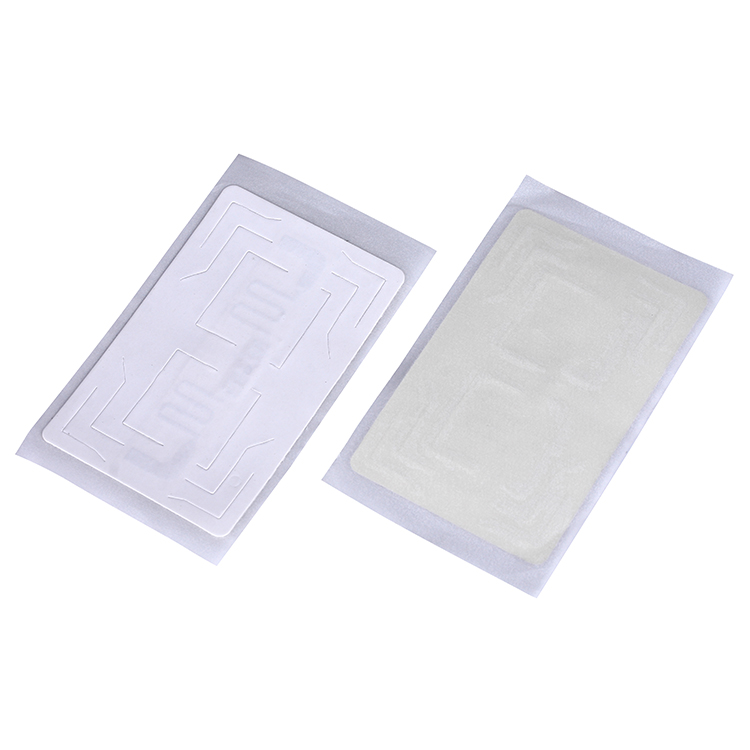
Vehicle RFID identification covers passive UHF parking access (gated community + corporate campus + hospital + university), 6C-compatible private tolling (parallel to EZPass / SunPass / FasTrak / E-ZPass / Toll-by-Plate), yard / drayage tractor + trailer + chassis tracking, fleet vehicle identification, IATA Resolution 753 baggage at airport ground transit, ATA Spec 2000 aerospace ground equipment, and aftermarket NHTSA TIN tire identification. Proud Tek supplies the windshield label, long-range windshield sticker (5-12 m), tire label (cure-survivable), windshield-mounted RFID hang tag, on-metal asset tag for chassis + frame, ATEX gas-tank cylinder UHF tag for fueling depot, and pre-encoded GS1 SGTIN-96 + GIAI-96 service feeding Manhattan Active YMS, Blue Yonder, SAP Yard Logistics, Oracle WMS Cloud, Körber K.Motion, PINC, C3 Solutions yard-management + Skidata + Amano + Designa + T2 Systems + ParkPass + Flowbird parking platforms.
- On multi-property rollouts, ISO/IEC 18000-63 — 2015 (EPC Gen2v2) UHF — 6C-compatible private tolling + parking access; 5-12 m long-range windshield sticker for high-throughput.
- Manhattan Active YMS + Blue Yonder + SAP Yard Logistics + Oracle WMS Cloud + Körber + PINC + C3 Solutions yard-management integration.
- Skidata + Amano + Designa + T2 Systems + ParkPass + Flowbird parking + Bosch Mobility Solutions vendor-stack compatibility.
Featured Vehicle ID Products
SKUs we typically deploy for vehicle id. Tap a card for specs and samples.
At a glance
Use these short answers to decide whether this page matches the project before moving into the detail.
Application matrix
Parking access — gated community, corporate campus, hospital, university, residential, mall. Yard / drayage — tractor + trailer + chassis at distribution-centre + cross-...
Standards stack
ISO/IEC 18000-63:2015 — RAIN RFID EPC Gen2v2 air-interface (UHF 860-960 MHz). GS1 EPC TDS 2.0 — SGTIN-96 + GIAI-96 + GRAI-96 + GDTI-96 encoding.
Next step
Ready to move forward? Start your inquiry to get specific answers for this project.
Request vehicle RFID guidance- Mounting form factor
-
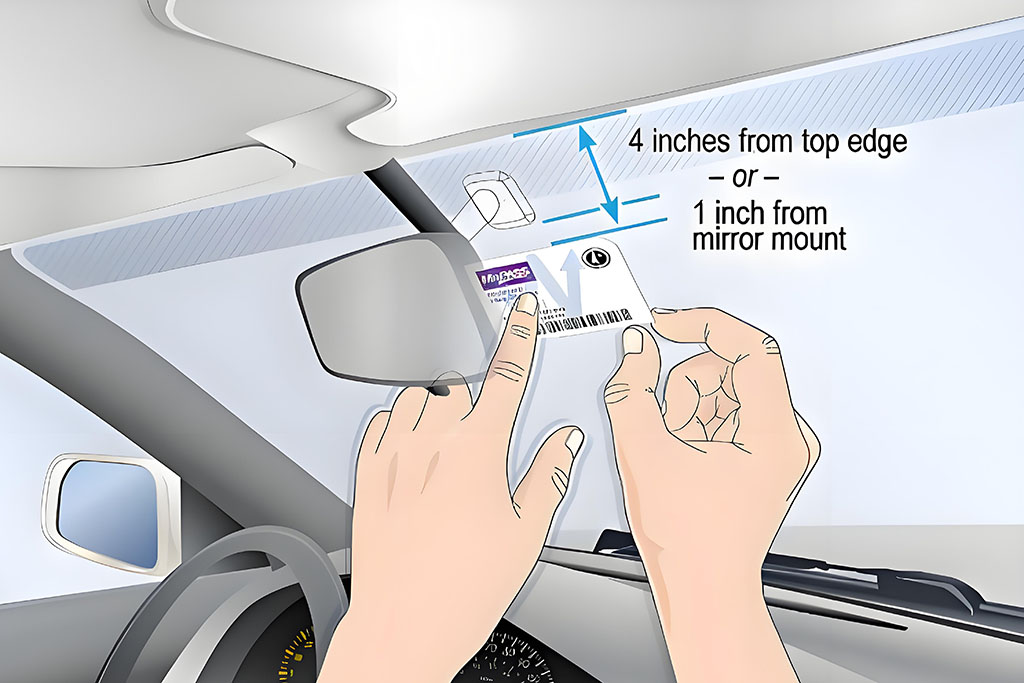
- Windshield label — adhered to interior of car windshield; standard parking + access.
- Long-range windshield sticker — 5-12 m read range; toll + yard + drayage premium.
- Tire label — cure-survivable embedded in sidewall; NHTSA TIN + EUDR.
- Windshield hang tag — removable + transferable rental car application.
- License-plate-mounted — non-windshield; metal-near anti-metal antenna.
- On-metal chassis + frame — UHF anti-metal label or PCB screw-mount.
- Headlight RFID sticker — alternative mounting for athermic / tinted windshields.
- Yard management system (YMS)
-
- Manhattan Active YMS — cloud-native YMS; tier-1 retail + 3PL.
- Blue Yonder Luminate Yard Management — multi-site.
- SAP Yard Logistics — SAP-stack standard.
- Oracle WMS Cloud + Yard Management — Oracle ERP.
- Körber K.Motion YMS — global mid-large 3PL.
- PINC + C3 Solutions — North American yard + drayage specialist.
- Yardmaster + Yardmaster Pro — mid-market.
- Reader middleware — Impinj ItemSense + Zebra Savanna + RFID4U.
- Parking management platforms
-
- Skidata access.tower + access.gate — global stadium + parking.
- Amano McGann + Amano Cincinnati — North American parking lot.
- Designa — EU + APAC parking.
- T2 Systems Iris + Liberty — North American university + municipal.
- ParkPass + Flowbird (formerly Parkeon) — EU + global.
- Hub Parking + Pay & Display — independent + pay-on-foot.
- ParkMobile + ParkWhiz + SpotHero — mobile-app integration.
- Tolling platforms — 6C-compatible private
-
- ETC (E-ZPass + EZPass-OK + I-Pass + ezTAG + SunPass + Peach Pass + FasTrak + Good to Go!) — 7-zone US Northeast Corridor.
- TransCore Encompass + ELYO — 6C-compatible private tolling reader hardware.
- Kapsch TrafficCom + Q-Free — global tolling platform.
- ETC LP — license plate + RFID dual-tier.
- 5G + V2X + DSRC — emerging connected-vehicle complement.
- Open Roads Consulting + Conduent — system integrator.
- RFID vs ALPR (license-plate) comparison
-
- ALPR (Automatic License Plate Recognition) — 80-95% accuracy in good conditions.
- RFID — 99%+ accuracy at properly tuned portal regardless of lighting.
- ALPR weather-sensitive (rain, snow, dust, glare).
- RFID weather-immune at IP-65 reader.
- ALPR captures any vehicle; RFID requires pre-issued credential.
- Combined ALPR + RFID — exception-handling + revenue-protection.
- Privacy — ALPR retains unfiltered images; RFID UID-only by design.
- Fleet telematics integration
-
- Geotab + Samsara + Verizon Connect — fleet GPS + telematics.
- Trimble TMW + Omnitracs + Lytx + Motive — commercial trucking.
- Carrier Naviator + Thermo King ReeferConnect — reefer telematics.
- Ford Pro + GM OnStar + Volvo Connect — OEM fleet platform.
- Webfleet (Bridgestone) + ABAX + Cartrack — alternative.
- RFID-EPC + telematics ID pairing for cradle-to-grave traceability.
- Reader hardware
-
- Impinj Speedway R700 + R420 — 4-port fixed; tier-1 portal.
- Zebra FX9600 + FX7500 — IP-65 alternative.
- TransCore IT2000 + Encompass — tolling-grade.
- Kapsch TrafficCom IRT + IRC — tolling.
- RFID Inc + GAO RFID + Atlasrfidstore — parking + access.
- Impinj xSpan + xArray — overhead grid + lane scanning.
- Times-7 A5010 + MTI MT-261021 RHCP — antenna for vehicle-portal.
- Operational ROI
-
- Parking access — 15-30 sec entry / exit (manual badge / barcode) → <1 sec (RFID tap).
- Yard / drayage — 30-50% reduction in dock dwell-time.
- Tolling cash-handling — eliminated; per-transaction cost USD 0.50-1.50 → USD 0.05-0.15.
- Fleet ID misassignment — 5-10% manual → <0.5% RFID.
- Receiving + put-away — automated against EPC + telematics ID.
- Programme payback — 6-18 months at portal-level deployment.
- Security + tamper-evidence
-
- Anti-transfer — fragile-frangible adhesive; tag destroyed on removal attempt.
- Tamper-evident — frangible antenna trace breaks on peel.
- NTAG 424 DNA SUN — cryptographic per-tap verification for VIP / classified.
- Anti-clone — TID prefix audit + factory-stored cryptographic identity.
- Server-side ban-list — revoke compromised tag remotely.
- Vehicle-credential pairing — EPC ↔ VIN + plate + driver ID.
- What vehicle RFID is NOT
-
- Not a substitute for license plate — coexists with ALPR for redundancy + revenue-protection.
- Not a GPS / cellular tracker — pair with telematics for active monitoring.
- Not standalone — full ROI requires YMS / parking / tolling platform integration.
- Not a fuel-card replacement — pair with closed-loop fuel program if needed.
Where vehicle RFID compresses time + cost
A barrier arm is the most honest audit a parking operation ever gets. Every vehicle that rolls up, stops, fumbles for a badge, drops it between the seats, and reverses into the car behind is broadcasting exactly what your access process costs — in seconds, in idling fuel, in the patience of everyone queued behind it. Vehicle RFID's entire ambition is to make the gate a non-event: the windshield is read from a distance, the arm is already lifting, and nobody reaches for anything. Everything below — the air-interface standards, the antenna geometry, the anti-transfer adhesives — exists to make 'nobody reaches for anything' hold up in rain, glare, and the back of a yard at shift change.
- Manhattan Active YMS + Blue Yonder + SAP Yard Logistics + Oracle + Körber + PINC + C3 = the YMS platform stack.
- Skidata + Amano + Designa + T2 Systems + ParkPass + Flowbird = the parking platform stack.
- TransCore + Kapsch + ETC = the 6C-compatible private tolling platform stack.
Manual badge / ALPR vs RFID + YMS integration
Manual badge / barcode + ALPR (license plate)
- 15-30 sec entry / exit; queue at peak; gate-attendant cost.
- ALPR 80-95% accuracy; weather-sensitive (rain, snow, glare).
- Dock dwell 60-90 min manual yard reconciliation.
- Tolling cash USD 0.50-1.50 / transaction handling cost.
- ALPR retains unfiltered images; privacy + GDPR risk.
UHF RFID + YMS / parking / tolling platform
- <1 sec RFID tap; queue eliminated; 24/7 unstaffed.
- RFID 99%+ accuracy regardless of lighting + weather.
- Dock dwell 30-50% reduction with EPC + YMS auto-association.
- Tolling USD 0.05-0.15 / transaction; 80-90% cost reduction.
- RFID UID-only encoded; PII separate; GDPR-friendly.
- Combined ALPR + RFID = exception-handling + revenue-protection at hybrid lanes.
- EPC ↔ VIN + plate + driver ID pairing flows through ERP + fleet telematics + YMS.
- Long-range windshield sticker (5-12 m) is the upgrade path for high-throughput tolling + yard.
ISO/IEC 18000-63 + GS1 EPCIS 2.0 + 6C Tolling — the architecture
- Athermic windshield 8-15 dB attenuation — tag placement at dot-matrix wiper area; heated-windshield variant available.
- ALPR-vs-RFID combined deployment — RFID for known vehicles + ALPR for exceptions = revenue-protection + privacy-friendly.
- EPC ↔ VIN + plate + driver ID + telematics ID pairing flows through ERP + fleet telematics + YMS.
Where vehicle RFID earns its margin — the application inventory
- Parking access — gated community + corporate campus + hospital + university + residential + mall.
- Yard / drayage — tractor + trailer + chassis ID at DC + cross-dock; Manhattan Active YMS + Blue Yonder + SAP Yard.
- Private tolling — 6C-compatible UHF; parallel to EZPass + SunPass + FasTrak public networks.
- Fleet identification — corporate + rental + delivery + service vehicle; Geotab + Samsara + Verizon Connect.
- Aerospace ground equipment — pushback + baggage cart + de-icer + fueling truck; ATA Spec 2000.
- Tire aftermarket — NHTSA TIN + EUDR commodity-trace + retread.
- Hospital + university campus — visitor + employee + emergency + ambulance.
- Logistics yard — empty + loaded trailer + chassis pool tracking.
- Drive-through retail — McDonald's + Starbucks + Tim Hortons license-plate-bound loyalty.
- Railway + intermodal — locomotive + railcar + container + chassis interchange.
From 1989 EZPass to 2024 6C tolling + YMS — milestones that shaped vehicle RFID
- 1989
Bay Area Toll Authority + Texas Turnpike Authority pilot first electronic-toll-collection (ETC) RFID; foundation for E-ZPass + SunPass + FasTrak.
- 1994
E-ZPass interoperability launches across NY + NJ + Delaware + Maryland + Pennsylvania; 7-zone US Northeast Corridor expansion.
- 2007
EPC Gen2v1 + ISO/IEC 18000-6C ratified — universal UHF air-interface enables the '6C' private tolling + parking compatibility.
- 2013
EPC Gen2v2 published; 6C-compatible private tolling + parking + yard moves mainstream; IBTTA promotes interoperability.
- 2018
Manhattan Active YMS + Blue Yonder Luminate Yard Management + SAP Yard Logistics + Oracle Yard Management — YMS platform consolidation.
- 2021
GS1 EPCIS 2.0 (ISO/IEC 19987:2021) standardises event-capture; YMS platforms adopt natively.
- 2024
6C-compatible private tolling + parking expand globally; long-range windshield sticker (5-12 m) becomes mainstream for high-throughput yard + drayage.
- 2026 — Today
Reference operating practice across corporate-campus-employee-parking, gated-community-resident-access, hospital-multi-gate, university-shuttle, logistics-yard-tractor-id, rental-car-lot, 6c-private-toll and fleet-depot-allocation programmes.
RFID vs ALPR — when each technology wins
The honest framing is that ALPR and RFID aren't really competitors — they're a security camera and a door key arguing over who does the other's job better. The camera reads any plate but believes whatever the weather lets it see; the transponder reads only the vehicles you've enrolled, but it doesn't care about dusk, downpour, or a plate caked in road salt. Mature operations stop picking a winner and run both, which is why nearly every row below quietly resolves to 'and.'
- Accuracy — RFID 99%+ first-read at properly tuned portal regardless of conditions; ALPR 80-95% in good light + clean plate, degrades to 60-80% in rain / snow / dust / glare / dirty plates / plate cover / oblique angle.
- Speed — RFID reads in <50 ms at any lane speed up to 120 km/h (highway tolling); ALPR requires camera trigger + OCR processing 200-800 ms.
- Foreign + non-standard plates — RFID indifferent; ALPR struggles with foreign-script (Arabic, Chinese), motorcycle plates, dealer plates, oversize/historic plates.
- Privacy — RFID encodes UID only by design (privacy-friendly + GDPR-compatible with proper data-minimisation); ALPR captures unfiltered images that may include incidental personal info (driver, passengers, contents visible through windshield); requires data-protection impact assessment under GDPR Art. 35.
- Cost per lane — ALPR camera + processor + lighting $8K-$25K per lane; RFID portal + reader + antennas $5K-$15K per lane.
- Pre-registration — RFID requires credential issuance + tag mounting (cost + workflow); ALPR captures any vehicle without registration.
- Enforcement — ALPR catches every plate (revenue-protection + scofflaw); RFID catches credentialed only.
- Combined ALPR + RFID is the dominant 2024-2026 pattern at hybrid lanes — RFID for known + credentialed vehicles (fleet, employee, season-pass, residents) and ALPR for exception-handling + revenue-protection (visitors, missing-tag fallback, enforcement). Cost typically $15K-$30K per lane combined.
- Vendor reality — RFID readers: TransCore Encompass / ELYO, Kapsch IRT/IRC, Q-Free, Sirit, Neology, Impinj R700 with 6C decode. ALPR cameras: Genetec AutoVu, Vigilant LEARN (Motorola), Rekor, Flock Safety, NDI Recognition Systems, Tattile.
- Hybrid integration — Genetec Synergis + AutoVu unifies access control + ALPR + RFID into single platform with single-pane-of-glass for parking + campus + community.
- Privacy regulation trends — Illinois Biometric Information Privacy Act (BIPA), California Consumer Privacy Act (CCPA), GDPR push toward RFID over ALPR where the use case allows; EU AI Act 2024 classifies real-time biometric ALPR as high-risk + restricted.
Yard management system integration — Manhattan / Blue Yonder / SAP / Oracle / Körber
- Manhattan Active YMS — cloud-native, dominant tier-1 retail + 3PL deployment; replaces legacy SCALE YMS; native EPCIS 2.0 + REST API integration. Native portal-reader integration via Manhattan EOM (Equipment Operations Manager); supports dock-door + cross-dock + gate + yard-jockey workflows.
- Blue Yonder Luminate Yard Management — formerly JDA YMS; tier-1 retail + 3PL + manufacturing; integrates with Luminate WMS + TMS; EPCIS 2.0 event consumption via Yard Sensor Suite.
- SAP Yard Logistics + SAP EWM — for SAP-stack customers; tightly integrated with SAP TM (Transport Management) + EWM (Extended Warehouse Management); supports yard-task management + dock-door allocation + trailer-arrival forecasting.
- Oracle WMS Cloud + Yard Management — Oracle Fusion SCM module; common in oil + gas + chemical + retail Oracle-stack deployments.
- Körber K.Motion Yard Management — global tier-1 mid-large 3PL; cloud + on-prem options; multi-language + multi-currency for global rollouts.
- Specialist YMS — PINC (North American specialist, AI-driven yard optimisation), C3 Solutions (cloud-native, mid-market), Yardmaster + Yardmaster Pro (mid-market), Cargobase, OneRail.
- Yard portal reader — Impinj R700 (4-port) or Zebra FX9600 (4-port high power) with Times-7 SlimLine A5530 / Laird S9028PCR antennas; 2-pole frame at 3.0-3.6 m wide × 3.0 m tall; achieves 99%+ first-read on properly tagged windshield + chassis.
- Middleware translation — Impinj ItemSense, Zebra Savanna, Pyramid Solutions Mosaic, RFID4U Streams, Smartrac TagCentric translate EPC stream into YMS-native message format.
- Fleet telematics pairing — Geotab, Samsara, Verizon Connect, Trimble TMW, Omnitracs, Motive (formerly KeepTruckin) pair RFID EPC with telematics ID + VIN + plate + driver ID for cradle-to-grave traceability.
- Workflow patterns — arriving (gate portal fires ObjectEvent bizStep=arriving disposition=in_progress) → check-in (yard-jockey assignment) → spotting (dock-door portal fires AggregationEvent for trailer-to-door) → loading (WMS event) → departure (gate portal fires ObjectEvent bizStep=departing disposition=in_transit).
6C tolling deep-dive — IBTTA / TransCore / Kapsch / private operators
- 6C = ISO/IEC 18000-63:2015 RAIN RFID EPC Gen2v2 UHF 860-960 MHz air-interface, also called Gen2v2 or RAIN. The international interoperability standard for tolling + parking + yard.
- IBTTA (International Bridge, Tunnel and Turnpike Association) maintains 6C as the recommended common protocol for new tolling deployments; published 6C Toll Operations Committee guidance + interoperability test framework.
- US public toll history — E-ZPass (Northeast 17 states + DC + 7-zone Northeast Corridor, largest US interoperable network), I-Pass (Illinois), ezTAG (Houston METRO + Harris County), SunPass (Florida), Peach Pass (Georgia), FasTrak (California Bay Area + Caltrans), Good to Go! (Washington State + Oregon), TxTag (Texas + DFW), ExpressToll (Colorado), TollTag (Dallas NTTA).
- Public toll radios — historically proprietary IAG TDM (Inter-Agency Group, used by E-ZPass) at 915 MHz, 5.9 GHz DSRC (Dedicated Short Range Communications), or Mark IV TransCore eGo (915 MHz proprietary). FCC reallocated 5.9 GHz partially to Wi-Fi 6E in 2020 — accelerating tolling-industry migration to 6C.
- Major reader OEMs — TransCore Encompass 4 / 6 / ELYO (US market leader), Kapsch TrafficCom IRT IRC (Austrian, global), Q-Free Quattro + Saturn (Norwegian, global), Sirit Identity (Federal Signal, since 2010), Neology nFusion, Star Systems International, Cubic Transportation Systems.
- Major tag suppliers — TransCore eGo, Star Systems Sticker Tag, Neology iAuto + iPark, Smartrac WIPER, NetSyne, Confidex Steelwave + Heavy Metal, Identiv Smart Sticker.
- Cross-protocol interoperability — toll networks may not directly cross-recognise (E-ZPass IAG tag does not work at 6C lane and vice versa) but new toll deployments increasingly install multi-protocol readers (6C + IAG + eGo) to support migration without forklift swap.
- Private 6C tolling — express toll lanes on existing freeways (LBJ Express, North Tarrant Express, I-405 Express Toll Lanes, SR-91 OCTA), bridge + tunnel privatisations, mileage-based-user-fee (MBUF) pilots, congestion charging schemes (NYC + London + Singapore + Stockholm).
- Parking + corporate campus 6C — same hardware + tag standard at lower transaction value but higher reliability requirement; common at airport long-term parking, hospital staff parking, corporate campus, university student parking, gated community.
- Yard + drayage 6C — port drayage (LA / Long Beach + NY / NJ + Savannah + Houston + Charleston), intermodal terminals (BNSF + UP + CSX + Norfolk Southern), 3PL distribution yards.
- Anti-fraud + revenue protection — windshield tag + ALPR + license plate match + EPC-to-plate pairing in toll-back-office; tag-on-plate + tag-on-windshield mismatch triggers exception review.
Anti-transfer + tamper-evidence for compliance + revenue-critical applications
Adhesive is where security ambition meets the parking-lot reality that someone will eventually try to peel a toll tag off one windshield and stick it onto another. The tiers below escalate to match: glue that destroys the tag on removal, an antenna trace that quietly dies while the label still looks intact, and cryptographic per-tap verification that treats every read as a fresh signature an attacker would have to forge. Match the tier to what a transferred credential would actually cost you — armoring a campus bike lot like it's a bridge toll is just expensive theater.
- Tier-1 anti-transfer — frangible adhesive substrate (paper + PET frangible) destroys tag on attempted removal; replacement tag must be issued. Baseline for parking, employee badge mount, gated-community resident.
- Tier-2 anti-transfer — tamper-evident frangible antenna trace: tag antenna breaks on peel-off, tag becomes electrically dead but visually intact (forensic evidence of tampering). Used at high-revenue parking + tolling.
- Tier-3 anti-transfer — NTAG 424 DNA SUN (Secure Unique NFC) + AES-128 cryptographic per-tap message + server-side ban-list. Each tap generates a unique signed message; server validates + bans cloned tags. Used at VIP + classified + high-revenue tolling + corporate campus VIP zones.
- Physical mount — windshield bonded inside glass at top-center per state DOT regulation (some states restrict windshield placement); headlight sticker for athermic / metallised windshield; chassis screw-mount for permanent fleet ID; license-plate-mounted for transferable rental fleet.
- Forensic + audit — VIN + plate + driver + EPC pairing stored in YMS / parking / tolling platform; multi-factor verification (RFID + plate + visual) at high-revenue + classified lanes.
- Anti-cloning — UHF EPC space is large (96-bit / 198-bit) so brute-force cloning is impractical, but EPC alone is read-only and reproducible. Server-side ban-list + per-vehicle EPC + plate pairing closes the cloning gap.
- Tamper indication — Confidex Heavy Metal + Smartrac WIPER + Beontag with tamper-evident layer; visual indicator + electrical kill on tamper.
- Lifecycle — typical windshield tag lifecycle: 3-5 years (UV + thermal cycling + glass-replacement attrition); rental + short-term tag: 6 months - 2 years; permanent chassis mount: 7-10 years.
- Disposal — end-of-life tag disposal per local e-waste regulation; cross-cut destruction for revenue-tagged credentials per ISO 27001 A.8.10.
Useful next pages
Use these linked product, guide and comparison pages to keep the next click specific and practical.
Vehicle RFID products
Catalog SKUs most commonly specified for vehicle identification.
Adjacent industries
Cross-vertical reading for vehicle RFID procurement.
FAQ
What decides between windshield and headlight tags?
The decision is mostly operational: mounting surface access + reader geometry + lane speed + installation process + windshield athermic / tinted attenuation + vehicle aesthetics. Windshield label is the standard parking + access default. Long-range windshield sticker (5-12 m read range) is the premium upgrade for high-throughput tolling + yard / drayage. Headlight RFID sticker is the alternative for athermic / metallised / heavily-tinted windshields where placement is constrained — the metallised film attenuates UHF 8-15 dB. License-plate-mounted variant is for fleet rental / cross-borrow scenarios where the credential needs to be transferable. On-metal chassis + frame tag (UHF anti-metal label or PCB screw-mount) is the alternative for permanent installation. Send us your vehicle fleet + lane / portal geometry + windshield type + read distance target and we route the matching format.
Do vehicle programs always need anti-transfer features?
Not always. Anti-transfer becomes important where the credential has compliance / revenue / regulatory implications, or where vehicles are likely to change frequently. Frangible-fragile adhesive (the tag is destroyed on attempted removal) is the basic anti-transfer baseline. Tamper-evident frangible antenna trace (the antenna breaks on peel) is the next tier. NTAG 424 DNA AES-128 SUN cryptographic per-tap verification + server-side ban-list is the highest tier — used for VIP + classified + high-revenue tolling + corporate campus VIP zones. Combined ALPR + RFID at hybrid lanes provides exception-handling + revenue-protection. EPC ↔ VIN + plate + driver ID pairing in the YMS / parking / tolling platform provides the audit trail.
How does RFID compare to ALPR (Automatic License Plate Recognition)?
RFID achieves 99%+ first-read accuracy at properly tuned portal regardless of lighting + weather; ALPR achieves 80-95% in good conditions and degrades in rain, snow, dust, glare, dirty plates, plate-cover obscuring + foreign / non-standard plates. RFID encoding is UID-only by design (privacy-friendly + GDPR-compliant); ALPR retains unfiltered images that may include incidental personal information. RFID requires a pre-issued credential; ALPR captures any vehicle. Combined ALPR + RFID is the dominant 2024-2026 pattern at hybrid lanes — RFID for known + credentialed vehicles (fleet, employee, season-pass), ALPR for exception-handling + revenue-protection (visitors, missing-tag-fallback, enforcement). Cost — ALPR camera + processing USD 8-25K / lane vs RFID portal USD 5-15K / lane; both deployed together is the typical USD 15-30K / lane budget.
How does the 6C tolling protocol work and is it compatible with EZPass / SunPass / FasTrak?
The '6C' refers to ISO/IEC 18000-63:2015 (RAIN RFID EPC Gen2v2 UHF 860-960 MHz air-interface) — the international interoperability standard. IBTTA (International Bridge, Tunnel and Turnpike Association) uses 6C as the shorthand for tolling-industry common protocol. The major US public toll networks (E-ZPass + EZPass-OK + I-Pass + ezTAG + SunPass + Peach Pass + FasTrak + Good to Go!) historically used proprietary radios + 5.9 GHz DSRC; the 7-zone US Northeast Corridor E-ZPass is the largest interoperable network. New private tolling + parking + yard programmes standardise on 6C-compatible UHF readers (TransCore Encompass + ELYO + Kapsch TrafficCom IRT + IRC + Q-Free) reading the same UHF windshield label at 99%+ first-read. Toll networks may not directly cross-recognise (E-ZPass tag does not work at private 6C lane) but the underlying 6C protocol enables a single tag stack to serve parking + private tolling + yard + corporate access at lower cost than separate proprietary credentials.
How does RFID integrate with yard management systems (YMS) like Manhattan Active YMS + Blue Yonder + SAP Yard Logistics?
Manhattan Active YMS (cloud-native; tier-1 retail + 3PL) + Blue Yonder Luminate Yard Management (multi-site) + SAP Yard Logistics (SAP-stack) + Oracle WMS Cloud + Yard Management (Oracle ERP) + Körber K.Motion YMS (global mid-large 3PL) + PINC + C3 Solutions (North American specialist) + Yardmaster + Yardmaster Pro (mid-market) all natively consume RFID-discovered EPC events via GS1 EPCIS 2.0 (ISO/IEC 19987:2021) Commission + ObjectEvent + AggregationEvent + Lightweight Messaging Standard. The yard-portal UHF reader (Impinj Speedway R700 + R420 + Zebra FX9600 with Times-7 A5010 + MTI MT-261021 RHCP antennas) fires an ObjectEvent (bizStep=arriving, disposition=in_progress) for every windshield-tagged tractor + trailer + chassis at the gate. Middleware (Impinj ItemSense + Zebra Savanna + Pyramid Solutions Mosaic + RFID4U) translates the EPC stream into YMS-native message format. Fleet telematics integration (Geotab + Samsara + Verizon Connect + Trimble TMW + Omnitracs + Motive) pairs the RFID EPC with the telematics ID + VIN + plate + driver ID for cradle-to-grave traceability.
What's the read range on a UHF windshield label?
Read range depends on tag chip + antenna design + reader power + antenna gain + windshield attenuation. Standard windshield label (e.g., Smartrac WIPER or Beontag with NXP UCODE 9): 2-5 m at FCC 30 dBm EIRP / 4W ERP through clear windshield; degraded to 0.5-2 m through athermic / heavily metallised / IR-reflective windshield. Long-range windshield sticker (purpose-built for tolling + yard, e.g., TransCore eGo or NetSyne LR-UHF): 5-12 m at FCC 36 dBm EIRP / 4W ERP through clear glass. Headlight RFID sticker (mounted between headlight housing and glass): 3-7 m without windshield attenuation. Chassis screw-mount anti-metal tag: 4-10 m. Always design lane geometry + portal antenna placement to your worst-case windshield + lane speed; pilot before production.
Does NHTSA TIN tire-marking compete with or complement vehicle RFID?
Complement, not compete. NHTSA TIN (Tire Identification Number, FMVSS 119 + 139) requires tire-sidewall printed identification but is moving toward RFID-encoded format under FMVSS 571 + EU 2020/740 General Safety Regulation. The tire RFID tag (Michelin + Continental + Bridgestone + Pirelli + Goodyear all participate) carries TIN + manufacture date + plant code for safety-recall traceability + EUDR rubber-deforestation compliance + EU end-of-life tire regulation. Tire RFID is read-only at production + recall + end-of-life — not used for vehicle access. Vehicle RFID windshield label is separately issued and read at access + tolling + yard. Both can coexist on one vehicle (4 tires × 1 tire-tag + 1 windshield label = 5 RFID tags per vehicle in some 2027+ scenarios).
Sources & references
Primary standards, OEM datasheets and regulatory documents cited by this article. All URLs were verified on the access date shown below.
- ISO/IEC 18000-63:2015 — RAIN RFID EPC Gen2v2 air-interface (UHF 860-960 MHz)
International ISO standard for UHF Gen2v2 air-interface; the '6C' tolling + parking + yard interoperability baseline.
- GS1 — EPC Tag Data Standard 2.0 + EPCIS 2.0 (ISO/IEC 19987:2021)
SGTIN-96 + GIAI-96 + GRAI-96 + GDTI-96 EPC encoding + EPCIS event-capture model that YMS + parking + tolling platforms consume.
- IBTTA — International Bridge, Tunnel and Turnpike Association: 6C Tolling Interoperability
Tolling-industry interoperability framework; 6C is the shorthand for ISO/IEC 18000-63 EPC Gen2v2 UHF private tolling + parking compatibility.
- FCC Part 15.247 + Part 90 — Unlicensed UHF + Private Land Mobile Radio (DSRC / Tolling)
FCC rules for 902-928 MHz unlicensed UHF + 5.9 GHz DSRC vehicle-identification + tolling equipment.
- ETSI EN 302 208 V3.3.0 — 865-868 MHz European UHF RFID + 2 W ERP cap
Region 1 (EU + UK + Norway + Switzerland) UHF allocation for vehicle-identification + parking + private tolling.
- TransCore — Encompass + ELYO 6C-compatible UHF readers + eGo tags
US tolling market leader; Encompass 4 / 6 multi-protocol readers + eGo tag family widely deployed across E-ZPass + private toll lanes.
- Kapsch TrafficCom — IRT + IRC roadside tolling readers
Austrian-headquartered global tolling vendor with 6C-compatible UHF + 5.9 GHz DSRC + GNSS systems deployed across EU + Americas + APAC.
- Impinj R700 — 4-port fixed UHF reader (6C-compatible)
Flagship 4-port fixed UHF reader widely deployed at yard portal + 6C parking + private tolling lanes.
- Manhattan Active YMS — cloud-native yard management
Tier-1 retail + 3PL cloud YMS; native EPCIS 2.0 + REST API integration; replaces legacy SCALE YMS.
- Blue Yonder Luminate Yard Management
Formerly JDA YMS; tier-1 retail + 3PL + manufacturing yard management with EPCIS 2.0 event consumption.
- Genetec AutoVu — ALPR + RFID unified platform
Unified ALPR + access control + RFID platform; common at hybrid lane parking + campus + community deployments.
- NHTSA FMVSS 119 + 139 — Tire Identification Number (TIN)
Tire-sidewall identification standards; transitioning to RFID-encoded TIN for safety-recall traceability + EUDR rubber-deforestation compliance.
- EU Regulation 2020/740 — Tyre labelling + General Safety Regulation
EU tyre-labelling regulation + General Safety Regulation; RFID tire-tag integration with EUDR rubber-supply-chain compliance.
- Geotab — Connected vehicle telematics platform
Fleet telematics platform pairing RFID EPC with telematics ID + VIN + plate + driver ID for cradle-to-grave traceability.
- Samsara — Connected Operations Platform
Fleet telematics + driver safety platform with API integration to RFID-discovered yard + gate events.
- EU AI Act (Regulation 2024/1689) — real-time biometric identification
Classifies real-time biometric ALPR as high-risk + restricted in EU; pushes parking + access programmes toward RFID alternatives where viable.
- ATA Spec 2000 Ch. 9-5 — RFID on aerospace parts and ground equipment
Aerospace ground equipment + part-tracking RFID standard; relevant for airport + MRO + ramp-vehicle identification.
Proud Tek is a Shenzhen-based RFID & NFC manufacturer supplying hotel chains, transit operators, event venues and retail brands worldwide. Every order includes free samples, RF testing and dedicated project support.
Get a Quick Quote
Tell us about your project and we'll respond within one business day. Fields marked (asterisk) are required.