
Pickup-Counter Review Solution
Google Review NFC Cards for Pickup Counters
Quick answer
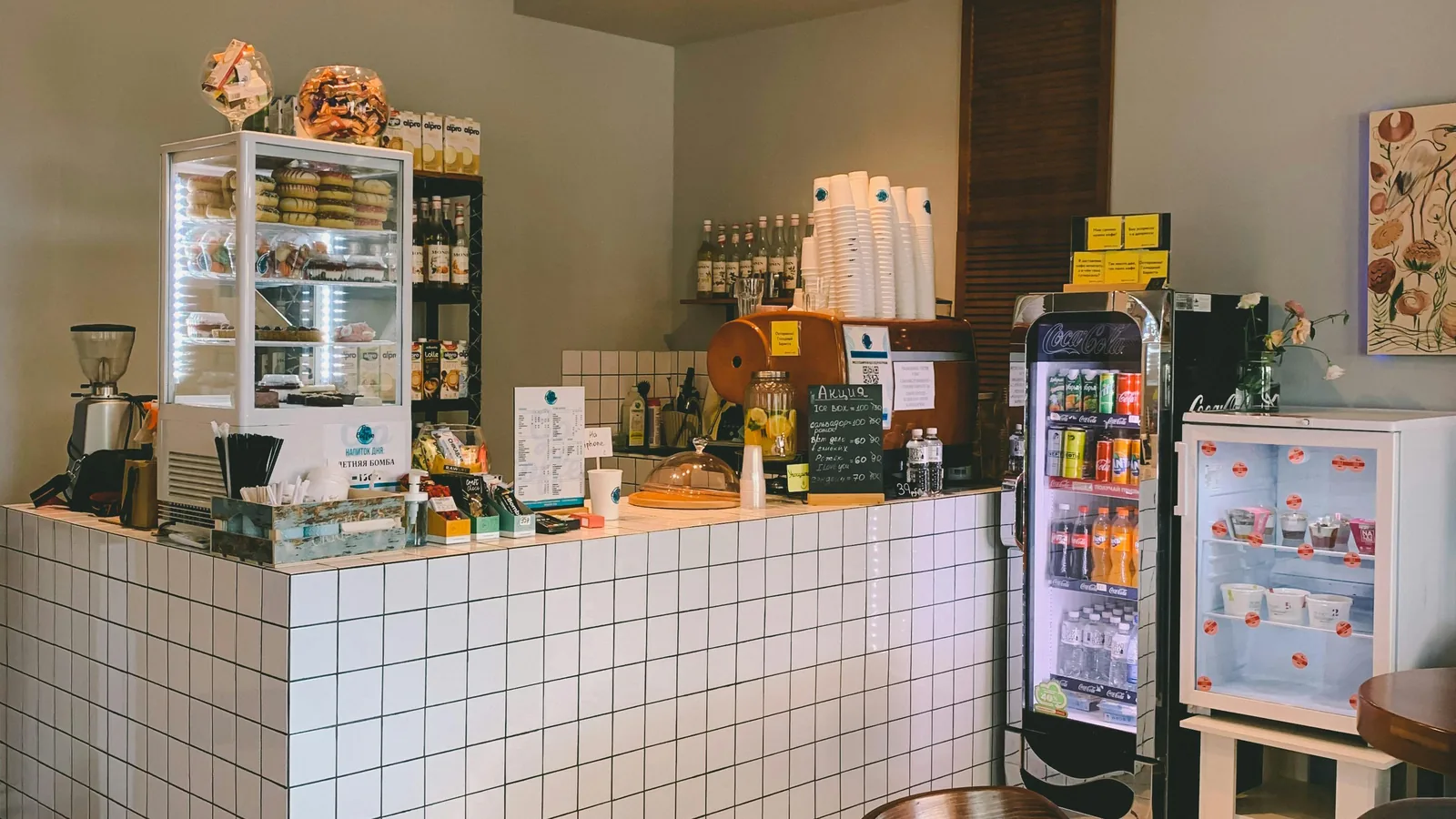
Pickup counter is a different beast from full-service checkout. The customer comes in expecting a fast handoff — restaurant takeout, BOPIS (Buy Online Pick-up In Store), curbside grocery, mobile-order coffee, prescription pickup. The window between bag-handoff and customer-walking-out is roughly 8–15 seconds, and the moment of peak satisfaction is the second the customer confirms the order is right. This page covers pickup-counter NFC review cards (counter card + bag-tag insert + curbside drive-up card) integrated with Toast / Olo / DoorDash / Uber Eats / Square Online / Shopify / Target / Walmart BOPIS workflows — operated within FTC 16 CFR Part 465 + Google Business Profile policy.
- The peak conversion moment at pickup is order-confirmation handoff — the 3–5 seconds when customer verifies bag contents and turns to leave.
- Bag-tag inserts attached to handle / stapled to receipt convert better than passive counter cards because pickup customers move fast and don't browse counter signage.
- Curbside drive-up requires a different placement — runner-handed card or bag-clip, not a counter card, because customer never enters the building.
Featured Review · Pickup Counters Products
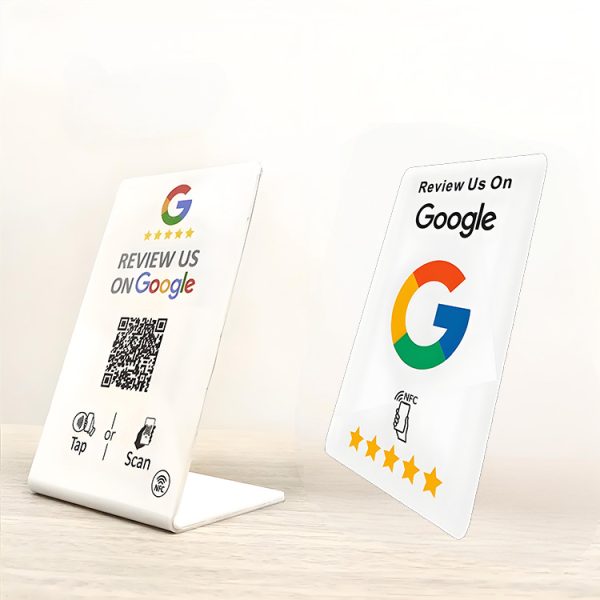
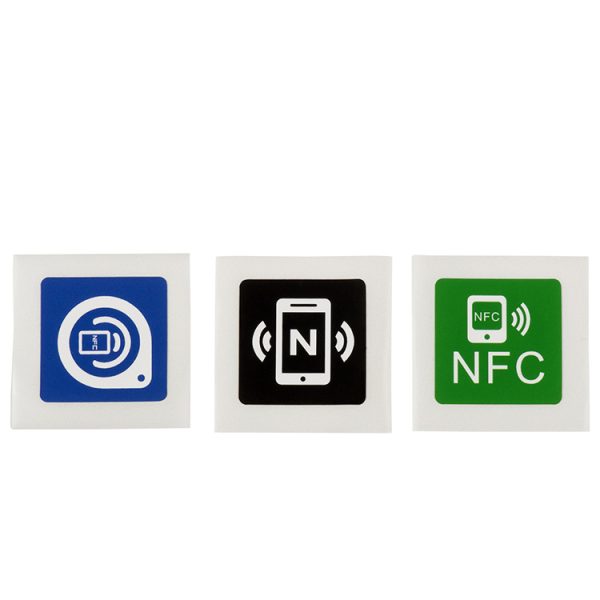
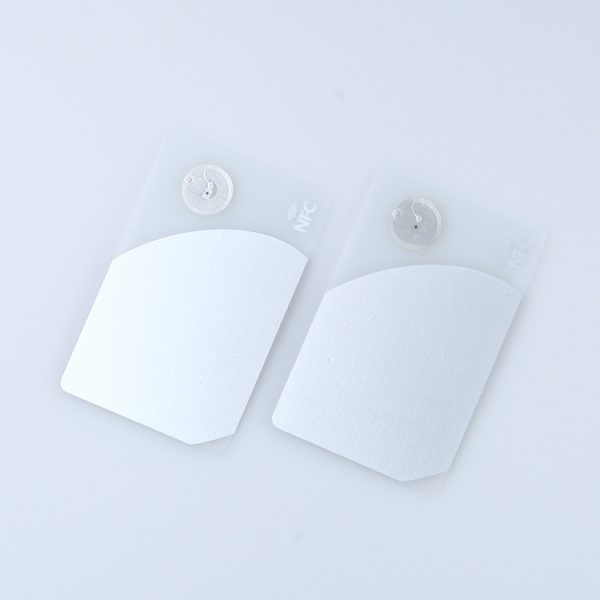
SKUs we typically deploy for review · pickup counters. Tap a card for specs and samples.
At a glance
Use these short answers to decide whether this page matches the project before moving into the detail.
Pickup-counter venue types served
Restaurant takeout — pizza, Asian, Mexican, sandwich, burger, full-service-with-takeout. Coffee + tea shop mobile-order — Starbucks-style + Dunkin'-style + indie coffee...
Mobile-order + BOPIS platform integration matrix
Toast (mobile order) — counter-service + restaurant takeout dominant POS. Olo — multi-restaurant brand mobile-order aggregator (Sweetgreen, Wingstop, Five Guys, etc.).
Next step
Ready to move forward? Start your inquiry to get specific answers for this project.
Request pickup review card sample- Pickup-counter placement geometry
-
- Bag-handle hangtag — primary placement; tag tied or stapled to take-out bag handle / clipped to BOPIS bag.
- Receipt-attachment card — small card stapled to receipt placed inside bag.
- Order-shelf-front placement — counter card facing customer-side of pickup shelf (not staff-side).
- Pickup-runner hand-off card — runner physically hands card with bag for curbside / drive-thru.
- Drive-thru window card — curbside-vehicle handoff, runner places card on top of bag.
- Curbside-bag-clip — small NFC clip attached to curbside-delivery bag handle.
- BOPIS locker placement — sticker on locker door or insert in pickup envelope.
- Avoid: counter-front passive placement (pickup customers don't browse), kitchen-side (staff-only zone).
- Runner / pickup-staff soft-skill prompt framework
-
- Earn-the-right via fast accurate handoff — order completeness check before any prompt.
- Time at peak: 3–5 second window after order verified + bag handed.
- Bag-tag does the work: customer discovers card after leaving, removing in-counter awkwardness.
- Verbal optional: 'Bag's all yours — there's a quick review tap on the bag if you have a sec' (low-pressure).
- Curbside runner: hand bag through window + brief verbal at handoff; one-shot only.
- Respect time pressure: pickup customers are time-pressed; never extend interaction.
- Drive-thru: never ask at window; rely on bag-tag discovery in car / at home.
- Track per-runner card-handoff completion rate for BOPIS shift staffing analytics.
- Bag-tag + card design principles
-
- Restaurant takeout — durable PVC + grease-resistant + brand colours; tied to bag handle.
- BOPIS retail — paper or PVC card stapled to receipt + tucked in bag.
- Curbside grocery — laminated card or NFC clip resistant to refrigerated / cold-chain bag exposure.
- Pharmacy pickup — generic copy (no prescription / medical context references) — HIPAA-aware.
- Coffee mobile-order — small bag-clip variant; mobile-order pickup zone counter sign.
- Furniture / bulky pickup — receipt-insert card; bag-tag impractical for boxed goods.
- Hangtag string + reinforced punch hole for bag-handle attachment durability.
- QR fallback printed alongside NFC for older demographics / non-NFC populations.
- Removable adhesive variant — for stick-on bag-tag without damaging premium-bag finish.
- Multi-location chain + franchise operations
-
- Per-store GBP audit + per-store review-link capture for pickup-counter URL.
- Per-store card encoding routes reviews to correct location.
- Per-shift / per-runner UTM (optional) — tracks BOPIS-runner contribution.
- Brand-standard book + central marketing portal locked for franchise compliance.
- Reorder cycle synced to brand-refresh + bag-supplier reorder cycle.
- High-volume pickup chains: 15–30 % per-year replacement reserve (bag-tags lost / damaged).
- Annual compliance audit: FTC + state-specific advertising rules + (HIPAA for pharmacy pickup).
- Cross-buyer reference notes — restaurant, BOPIS retail, grocery, pharmacy and curbside programmes — best-practice sharing across pickup-counter cohorts.
- FTC + Google + HIPAA compliance framework
-
- FTC 16 CFR Part 465 (effective Oct 21, 2024) — fake-review prohibition + Endorsement Guides.
- Card copy: 'Thanks for picking up with us — tap if you have a moment to share' — never 'Leave 5 stars'.
- Google Business Profile policy — no review-gating, no incentivisation.
- Restaurant: cannot tie review request to free-side / discount-on-next-order programmes.
- Curbside: runner verbal prompt offered to ALL pickup customers, not selectively.
- Loyalty-programme overlap: cannot tie review request to loyalty-points award.
- FTC Consumer Review Fairness Act 15 USC §45b — anti-disparagement gag clauses prohibited.
- Pharmacy pickup: HIPAA — keep card copy generic, never reference prescription / medical context, offer to all customers (front-of-store + Rx).
- Third-party-platform reviews: DoorDash / Uber Eats / Grubhub reviews are separate platforms; this card targets Google Business Profile only.
- Pickup programme economics + ROI
-
- Per-bag-tag BOM: $0.30–$1.20 paper + NTAG213 or NFC sticker; $1.50–$3.00 PVC card variant.
- Per-store cost: $50–$300 depending on bag-tag vs counter card mix + curbside variant.
- Multi-location chain: $10K–$80K for 100–500 store estate (high-volume bag-tag consumption).
- Review-velocity uplift: 4–8× post-rollout vs verbal-only or third-party-platform-only baseline.
- Star-rating uplift: 4.0–4.3 → 4.4–4.7 within 3–4 months for consistently-deployed pickup chains.
- BOPIS conversion correlation: 0.1 star uplift → 4–7 % increase in BOPIS-trial customers.
- Reorder cycle: 3–6 months typical for bag-tag (high-consumption disposable).
- Replacement reserve: 15–30 % per year (bag-tags travel home with customer).
- Curbside variant: lower per-unit cost but higher loss rate (drive-thru vehicle interactions).
- Implementation programme stages
-
- Stage 1 — Per-store GBP + mobile-order platform audit (Toast / Olo / DoorDash / Uber Eats / Square / Shopify / Target / Walmart).
- Stage 2 — Cohort design (restaurant takeout / coffee mobile-order / BOPIS retail / curbside grocery / pharmacy pickup / specialty).
- Stage 3 — Bag-tag vs counter-card vs runner-card placement decision per cohort.
- Stage 4 — FTC + Google + HIPAA-pharmacy compliance review.
- Stage 5 — Production + per-store encoding + bag-supplier integration (where applicable).
- Stage 6 — Pickup-staff training: peak-moment timing + bag-tag attachment workflow + decline handling.
- Stage 7 — Soft-launch one location; measure 30-day baseline + bag-tag survival rate.
- Stage 8 — Full chain rollout + manager scorecard + per-runner KPI + reorder pipeline.
- KPIs + analytics overlay
-
- Per-runner card-handoff completion rate as soft KPI feeding BOPIS-shift scorecards.
- Per-store GBP review-velocity baseline + post-launch uplift comparison.
- Per-cohort attribution (restaurant takeout vs BOPIS retail vs curbside vs pharmacy vs coffee mobile) via UTM segmentation.
- Star-rating delta tracked monthly; aim for 0.3–0.6 lift within 90–120 days for pickup-heavy chains.
- Bag-tag survival rate (tags discovered + scanned at home) tracked vs BOPIS volume.
- BOPIS-trial uplift correlation with star-rating gains per store.
- Replacement-bag-tag reorder velocity tracked vs pickup-counter consumption.
- Annual FTC + HIPAA-pharmacy compliance audit results logged + cross-cohort best-practice review.
- What this solution is NOT — adjacent scope
-
- NOT a generic Google Review NFC card guide — see /solutions/google-review-nfc-card/ for parent.
- NOT a full-service-restaurant tabletop programme — see /solutions/google-review-cards-for-restaurants/ + /solutions/google-review-cards-for-tabletop-prompts/.
- NOT a retail checkout counter — see /solutions/google-review-cards-for-checkout-counters/ for POS-counter venues.
- NOT a hotel front desk — see /solutions/google-review-cards-for-front-desks/.
- NOT a clinic / pharmacy clinical-side prompt — see /solutions/google-review-cards-for-clinics/ for HIPAA-aware (pharmacy retail pickup is the focus here).
- NOT a third-party-platform review programme — DoorDash / Uber Eats / Grubhub reviews are separate to Google Business Profile.
What should decide the first shortlist
These are the details that usually remove the wrong formats, materials, or chip families before the first quote or sample round starts.
- Stage 1 — GBP + mobile-order platform audit
Verify GBP claimed + verified per store. Audit mobile-order platform (Toast / Olo / DoorDash / Uber Eats / Square Online / Shopify / Target Drive Up / Walmart+) for receipt-print URL + per-runner UTM tracking + bag-supplier integration feasibility.
- Stage 2 — Cohort design + bag-tag vs runner-card decision
Per cohort: restaurant takeout durable grease-resistant PVC tag; coffee mobile-order bag-clip; BOPIS retail receipt-insert + bag-tag; curbside grocery laminated runner-card; pharmacy pickup generic-copy card; furniture-pickup receipt-insert.
- Stage 3 — Per-store + per-runner UTM taxonomy
If per-runner / per-shift attribution needed: design UTM (utm_source=runner-{id}, utm_campaign=bopis-shift). Map active runners + curbside drivers to UTM tags. Plan onboarding integration for new-runner cards.
- Stage 4 — FTC + Google + HIPAA-pharmacy compliance review
Validate copy + placement against FTC 16 CFR Part 465 + Google review policy. Pharmacy pickup: confirm generic copy + no prescription / medical context references. Restaurant: confirm no review-for-discount tie-in. Sign off legal.
- Stage 5 — Production + per-store + bag-supplier integration
Per-store encoding routes to correct GBP. Per-runner UTM tracks rep. Where applicable, bag-supplier pre-attaches tags during bag manufacturing. Pre-sorted shipping by store.
- Stage 6 — Pickup-staff + curbside-runner training
Train staff on bag-tag attachment workflow + 3–5 second verbal prompt window + curbside-runner handoff + decline handling + tone-match (fast / no-pressure for time-pressed pickup customers). Track per-runner card-handoff KPI.
- Stage 7 — Soft-launch + 30-day baseline
Launch one location; monitor per-runner KPI + GBP review velocity + bag-tag survival rate + BOPIS-trial correlation. Iterate placement + copy + bag-tag attachment method.
- Stage 8 — Full chain + manager scorecard + reorder pipeline
Cross-buyer reference notes — restaurant, BOPIS retail, grocery, pharmacy and curbside programmes — full chain rollout + per-store GBP velocity + per-runner KPI in manager scorecards + BOPIS-trial correlation analytics + bag-tag reorder pipeline + bag-supplier integration + brand-standard refresh + 3–6 month reorder cycle.
- Whether the prompt happens via bag-tag (primary), runner-handed card (curbside), or counter-card (passive).
- Whether per-runner attribution matters or per-store is sufficient.
- Mobile-order / BOPIS platform (Toast / Olo / DoorDash / Square / Shopify / Target / Walmart) for receipt + transaction integration.
- Pilot quantity, single store or multi-location chain, bag-supplier integration feasibility.
Bag-tag + sticker mechanics — substrate, adhesive, attachment workflow
- Step 1Bag-tag format — slip-in or staple-attached fabric tag (cardstock 250-350 gsm or fabric Tyvek 50-100 gsm) with embedded NTAG213 inlay (8mm or larger); attachment via slot-and-tab + staple + adhesive sticker.
- Step 2Bag sticker format — peel-and-stick NFC sticker (NTAG213 inlay laminated to paper face + adhesive backing); applied directly to paper / plastic bag exterior; 1.5K-2K applications per roll.
- Step 3Box / clamshell sticker — for restaurant takeout container (clamshell, pizza box, deli container); thermal-resistant adhesive survives hot food contact.
- Step 4Bag-stuffer card — separate NFC card placed inside bag with order; thicker stock (PVC CR-80) durable + reusable for customer keepsake.
- Step 5Receipt insert — pre-printed receipt with QR + 'Tap card at receipt-bottom' callout; lowest unit cost ($0.05-$0.20) but lowest conversion.
- Step 6Take-home pamphlet — multi-page brochure with NFC chip + retention messaging; for high-LTV pickup (subscription meal box, monthly grocery delivery, prescription refill).
- Step 7Window-decal at curbside — for vehicles arriving at curbside spot; staff applies decal to inside window during handoff; 3-5% sustained conversion.
- Step 8Receipt-on-bag thermal label — POS thermal label printed on-demand at bag-fill time with order info + 'Tap to review' QR; integrated into existing print workflow at low marginal cost.
- Step 9Attachment workflow — at order-bagging step: fold tag through bag handle / staple to bag opening / slip card inside bag; adds 2-5 seconds per order; staff training emphasises consistent placement.
- Step 10Bag-tag survival rate — at-home discovery typically 70-85% (some bags discarded at car); decay over 7 days as bag is reused / discarded; review-tap window is typically 0-24 hours post-pickup.
- Step 11Multi-format combo — bag-tag (travels home) + counter card (visible during wait) + curbside-runner handoff card (for drive-up) drives 3-8× review lift vs single placement.
- Step 12Bag supplier integration — major bag suppliers (Inteplast, Genpak, Eco-Products, Karat, Solo Cup, Pactiv Evergreen) can pre-attach NFC sticker / tag during bag manufacture for high-volume operators; reduces per-order labour cost.
- Step 13Compostable + recyclable considerations — bag + tag material must align with operator sustainability commitments; FSC paper + ASTM D6868 compostable + GRS recycled-content variants available.
- Step 14Failure modes — staff forgets to attach (mitigated by integration into bag-fill SOP), tag falls off in transit (mitigated by stronger adhesive), bag discarded before discovery (cardstock + premium card survives), NFC chip damaged by water (mitigated by laminated waterproof substrate).
BOPIS / curbside / drive-thru workflow integration — POS, OMS, app integration
- Step 1BOPIS (Buy Online Pick-up In-Store) — customer orders online (web / app) → store picks order → customer arrives + presents pickup code → staff hands order + review-card / bag-tag.
- Step 2Curbside pickup — customer arrives at designated stall → texts store via app → staff brings order to vehicle → review handoff at vehicle window; high satisfaction moment (low-friction).
- Step 3Drive-thru pickup — customer orders at speaker → pulls forward → window staff hands order via window + review handoff; very fast handoff (5-15 seconds); high volume but lower per-order conversion.
- Step 4Locker pickup — Amazon Hub Locker, Walmart Pickup Tower, grocery locker, USPS locker; customer scans QR / enters code → locker opens → customer takes order; lower review-engagement (no human touchpoint) — passive sticker on locker screen + receipt.
- Step 5Delivery handoff — 3rd-party (DoorDash, Uber Eats, Grubhub, Instacart, Shipt) or in-house delivery; review prompt at delivery point + driver-handed card; less consistent than store-pickup but reaches different audience.
- Step 6Order management integration — Manhattan Active Omni, Aptos OMS, IBM Sterling OMS, Salesforce Commerce Cloud OMS, Shopify Order Management, NetSuite OneWorld, Oracle Retail Order Management coordinate inventory + fulfillment + review automation.
- Step 7POS integration — Toast, Square, Clover, Lightspeed, TouchBistro coordinate pickup + bag-tag fulfilment at restaurant; Shopify POS, Square Retail, Lightspeed Retail, Clover at retail.
- Step 8Mobile app integration — operator app sends pickup-ready notification + post-pickup review prompt; common at Target Drive Up, Walmart Pickup, Chick-fil-A, Starbucks app, Domino's, Subway app.
- Step 9In-app review request flow — customer arrives at pickup → app prompts 'Order ready! Tap here to review your experience' at pickup-confirmation moment; sometimes replaces physical handoff card; +3-8% mobile-app-attributed conversion.
- Step 10Cross-channel attribution — UTM-tagged NFC card + per-order ID + customer cohort tracking attributes review to specific pickup event; surfaces in retailer analytics.
- Step 11Margin economics — BOPIS lowers fulfilment cost (avoid last-mile shipping) while raising in-store engagement; margin lift typically 2-5% vs pure ship-to-customer; additional 5-15% in-store purchase rate at counter-pickup (impulse buy).
- Step 12Pickup volume — Target reports 30-50% of online orders via Drive Up + Order Pickup + Same Day; Walmart similar; Chick-fil-A 60%+ of orders mobile-order-pickup; Domino's 70%+ digital.
- Step 13Multi-channel routing — order routes to bag-tag (delivery) / pickup-card / drive-thru-runner card / locker-sticker based on fulfilment method; per-channel UTM differentiates analytics.
- Step 14Order verification — pickup-staff verifies order identity (code, name, last-4 phone) → completes handoff + review prompt; verification step is brief satisfaction-peak moment for prompt.
Vertical patterns — quick-service restaurant / fast-casual / grocery / pharmacy / retail / ghost kitchen
- QSR (Quick-Service Restaurant: McDonald's, Burger King, Wendy's, Taco Bell, KFC, Subway, Chipotle, Panera Bread, Five Guys, In-N-Out) — drive-thru + counter pickup + delivery; bag-tag dominant; 2-5% sustained conversion; very high volume.
- Fast-casual (Chipotle, Cava Group, Sweetgreen, Shake Shack, &pizza, Wingstop, BurgerFi, Mendocino Farms) — counter pickup + delivery + tabletop; bag-tag + counter card; 3-8% conversion.
- Pizza chain (Domino's, Pizza Hut, Papa John's, Little Caesars, Papa Murphy's, Toppers) — pickup + delivery; box-sticker + bag-tag + delivery-handoff card; 3-7% conversion.
- Sandwich + sub (Subway, Jersey Mike's, Firehouse Subs, Jimmy John's, Quiznos, Wawa, Sheetz) — counter pickup + delivery + bag-tag; 2-5% conversion.
- Coffee + cafe (Starbucks, Dunkin', Tim Hortons, Peet's, Caribou, Dutch Bros) — counter pickup + drive-thru + mobile-order; cup-sleeve sticker + bag-tag; 2-5% conversion at very high volume.
- Ghost kitchen + virtual brand (delivery-only restaurants on DoorDash, Uber Eats, Grubhub) — bag-tag dominant (no physical storefront); 1-4% conversion via delivery-only.
- Grocery (Kroger, Albertsons, Publix, Whole Foods, Sprouts, Wegmans, H-E-B) — Drive Up + Order Pickup + Same Day; bag-tag + curbside-runner card; 2-5% conversion at very high volume.
- Pharmacy (Walgreens, CVS, Rite Aid, Walmart Pharmacy, Costco Pharmacy, supermarket pharmacy) — prescription pickup + curbside; bag-tag + counter card; HIPAA + state pharmacy board compliance required.
- BOPIS retail (Target Drive Up, Walmart Pickup, Best Buy Same Day, Home Depot Pickup, Lowe's Pickup, Bed Bath & Beyond, DSW, Nordstrom) — designated pickup counter + curbside + locker; per-channel conversion 2-8%.
- Specialty retail (Apple Store, Microsoft Store, B&H, Adorama) — Genius Bar pickup + service pickup; 4-10% conversion.
- Wine + liquor (Total Wine, BevMo, ABC Fine Wine, local liquor stores) — pickup + delivery; bag-tag + counter card; age-verification overlay.
- Pet supply (Chewy, PetSmart, Petco Pickup, BarkShop) — pickup + delivery; bag-tag + post-purchase email; pet-emotional cohort drives higher conversion.
- Convenience + gas station (7-Eleven, Wawa, Sheetz, Circle K, Casey's General Stores) — fuel-pump + in-store pickup; bag-tag + receipt; 1-3% conversion at very high volume.
- Cannabis dispensary (state-licensed) — pickup + delivery; bag-tag + state-compliance overlay (age-verification, state-specific advertising rules).
- Restaurant delivery handoff (DoorDash, Uber Eats, Grubhub, Instacart driver) — driver-handed card at customer door; per-driver attribution drives 2-5% conversion.
Compliance + sensitive pickup categories — HIPAA pharmacy / age-verification / state law overlays
- Pharmacy pickup HIPAA — prescription pickup involves PHI (Protected Health Information); HIPAA Marketing Rule 45 CFR § 164.508 requires patient authorization for marketing using PHI. Generic review card (no patient name + medication on card) qualifies for face-to-face exception or promotional-gift-of-nominal-value exception.
- What's allowed at pharmacy — generic NFC card given to all pharmacy customers at counter (no PHI on card design or distribution); passive sticker at pharmacy counter; staff verbal prompt 'We'd appreciate your honest feedback on Google'.
- What's prohibited — review-request SMS using prescription identity ('Hi John, you picked up your statin medication today...'); patient-name + medication-specific card; segmenting prompts based on diagnosis category.
- Substance use disorder pharmacy (42 CFR Part 2) — more restrictive; methadone clinic + buprenorphine prescription requires explicit consent for marketing communications; passive prompt only.
- Age-verification — alcohol + cannabis + tobacco pickup requires age-verification overlay; review prompt at age-verified pickup moment; state-specific rules apply.
- State pharmacy board — California Board of Pharmacy, Texas State Board of Pharmacy, New York Board of Pharmacy + 50-state boards regulate pharmacy advertising + patient interaction.
- Cannabis dispensary state compliance — California Bureau of Cannabis Control, Colorado MED, Washington WSLCB + state-by-state advertising rules; some states prohibit any cannabis advertising; review prompts subject to state-specific restrictions.
- Tobacco + vape — FDA Center for Tobacco Products regulates tobacco advertising; state laws layer additional restrictions; review prompts at vape shop subject to varying rules.
- Alcohol — state ABC + alcohol-control commission regulates; review prompts at liquor store + bar pickup subject to state-specific rules.
- Food allergen + recall — pickup workflows must accommodate allergen labeling + recall notifications; review prompt at allergen-restricted pickup must not interfere with safety communication.
- FDA food safety — restaurant pickup subject to FDA Food Code + state health department; review prompts cannot interfere with food safety + temperature compliance.
- Compliant prompt language — 'If you had a good experience, we'd appreciate your honest feedback on Google' (passive + truthful + non-incentivised + all-customers-asked); avoid 'Loved your prescription? Tap for 5 stars' (HIPAA + FTC violation).
- Audit trail — pickup-counter operator should document compliant prompt language + staff training + no-PHI-on-card policy + age-verification protocol + food-safety integration; defensible in HHS OCR + state board + FDA inquiry.
- Multi-state operators — chain operators in 50 states must layer state-specific compliance overlays; corporate compliance team establishes lowest-common-denominator language + per-state addendum where needed.
Useful next pages
Use these linked product, guide and comparison pages to keep the next click specific and practical.
Best-fit products
Card and tag SKUs for pickup-counter programmes.
Adjacent solutions + parent
Companion solution pages.
Compare + research
Decision-support pages.
FAQ
When is the highest-converting moment to prompt for a pickup-counter review?
The bag-tag discovery moment — when the customer opens the bag at home / in the car and sees the tag at first-bite or unboxing. The bag-tag does the work after the customer leaves, removing in-counter awkwardness for time-pressed pickup customers. Bag-tag + runner verbal handoff converts 5–10% vs 0.5–1% for passive counter-card-only. The 3–5 second verbal window is at order-verification handoff, not before.
How does this differ from the retail checkout-counter solution?
Pickup customers don't browse counter signage — they want a fast handoff and exit. So bag-tag (travels home) + runner-card (curbside drive-up) replace the POS-adjacent counter card geometry of the retail checkout context. Conversion happens at unboxing rather than at counter. Compliance overlay shifts: pharmacy-pickup HIPAA generic-copy + restaurant no-discount-tie-in are pickup-specific concerns. See /solutions/google-review-cards-for-checkout-counters/ for full-service POS-counter venues.
What about curbside / drive-thru pickup customers who never enter the store?
Curbside requires a different placement: runner-handed card (driver hands card to customer through window with bag) or curbside-bag-clip attached to bag handle. Drive-thru pharmacy + drive-thru restaurant variants use the same runner-handoff pattern. Counter-card geometry doesn't reach curbside customers. Track per-runner card-handoff KPI for curbside-shift staffing analytics.
What HIPAA considerations apply to pharmacy prescription pickup?
If the review prompt references the customer's prescription or medical context, HIPAA may apply. Best practice for pharmacy pickup: keep card copy generic ('Thanks for picking up with us — tap if you have a moment to share'), do not reference specific prescription / medical context, and offer the prompt to ALL pickup customers (front-of-store retail + prescription pickup customers). The pharmacy clinical workflow is a separate context — see /solutions/google-review-cards-for-clinics/ for HIPAA-aware clinical-side prompts.
What's the right reorder cycle for pickup-counter bag-tags?
3–6 months typical for bag-tags (high-consumption disposable; tags travel home with customer). Replacement reserve runs 15–30% per year — much higher than counter-card programmes because bag-tags don't return to store. Reorder synced to bag-supplier reorder cycle. Multi-location chains coordinate central reorder + bag-supplier pre-attachment integration where feasible.
Which bag-tag attachment method works best — staple, slot, sticker, or pre-attached?
Slot-and-tab fold-through-handle works for paper bags + Tyvek (no equipment needed, 2-3 sec per tag, clean appearance). Staple attachment is fastest at high volume (1-2 sec per tag, requires desktop stapler) but creates small hole risk. Adhesive sticker direct on bag exterior is simplest (peel-and-stick, 1-2 sec) but lower visibility. Box / clamshell sticker for restaurant takeout (clamshell, pizza box) uses thermal-resistant adhesive surviving hot food. Pre-attached at bag manufacture (Inteplast, Genpak, Eco-Products, Karat, Solo Cup, Pactiv Evergreen) eliminates per-order labour but requires high-volume commitment + 8-12 week bag-supply lead time. Bag-tag survival rate 70-85% at-home discovery; tap window typically 0-24 hours post-pickup. Multi-format combo (bag-tag + counter card + curbside runner card) drives 3-8× review lift vs single placement.
How does BOPIS / curbside / drive-thru change the review workflow?
Each fulfilment channel needs different review-card geometry. BOPIS counter pickup: bag-tag + counter card + receipt insert; 4-10% conversion. Curbside (Target Drive Up, Walmart Pickup, grocery, restaurant): runner hands order at vehicle window + bag-tag travels home; 5-12% conversion (high satisfaction, low friction). Drive-thru (McDonald's, Chick-fil-A, Starbucks): window staff hands bag-tag during very fast 5-15 sec handoff; 2-5% conversion at high volume. Locker pickup (Amazon Hub, Walmart Pickup Tower, grocery locker): no human touchpoint — passive sticker on locker screen + receipt; 2-4% conversion. Delivery (DoorDash, Uber Eats, Grubhub, Instacart): driver-handed card at customer door; 2-5% conversion + reach different audience than store-pickup. Order management integration (Manhattan Active Omni, Aptos OMS, IBM Sterling, Salesforce, Shopify, NetSuite, Oracle Retail) coordinates fulfilment + review automation. Mobile app integration (Target, Walmart, Chick-fil-A, Starbucks, Domino's, Subway) sends in-app review prompt at pickup-confirmation.
What sensitive-pickup categories need special compliance handling?
Pharmacy pickup involves HIPAA — generic NFC card (no patient name + medication on card) qualifies for face-to-face exception or promotional-gift-of-nominal-value exception under 45 CFR § 164.508. Avoid SMS using prescription identity. Substance use disorder pharmacy (42 CFR Part 2) is more restrictive — methadone + buprenorphine require explicit consent for marketing. Age-verification pickups (alcohol, cannabis, tobacco, vape) overlay state-specific advertising rules — California Bureau of Cannabis Control, Colorado MED, Washington WSLCB, state ABC commissions, FDA Center for Tobacco Products. Cannabis dispensary state compliance varies wildly — some states prohibit cannabis advertising entirely; review prompts subject to per-state restrictions. State pharmacy boards (California, Texas, New York + 50-state boards) regulate pharmacy interaction language. Food allergen + recall workflows must not be interfered with by review prompts. FDA Food Code + state health department supervises restaurant pickup. Compliant prompt language: 'If you had a good experience, we'd appreciate your honest feedback on Google' — passive + truthful + non-incentivised + all-customers-asked. Multi-state operators layer state-specific compliance overlays + lowest-common-denominator corporate language.
Sources & references
Primary standards, OEM datasheets and regulatory documents cited by this article. All URLs were verified on the access date shown below.
- Google Business Profile Help — Review policies
Review-content policy governing pickup-counter + curbside + restaurant takeout review prompts.
- Google Business Profile Help — Additional guidelines for representing your business
No-review-gating rule applicable at pickup-counter venues.
- U.S. FTC — 16 CFR Part 465: Rule on Consumer Reviews and Testimonials
Federal rule against fake reviews — effective Oct 21, 2024.
- U.S. FTC — Endorsement Guides
Endorsement guidance on incentivised reviews and material-connection disclosure for pickup-counter prompts.
- Consumer Review Fairness Act (15 U.S.C. §45b)
Federal law prohibiting anti-disparagement gag clauses in form contracts.
- Toast — restaurant + counter-service POS with mobile order
Dominant US restaurant POS with takeout / counter-service mobile-order workflow.
- Olo — restaurant brand mobile-order platform
Multi-restaurant brand mobile-order aggregator (Sweetgreen, Wingstop, Five Guys, etc.).
- Manhattan Active Omni — enterprise OMS for BOPIS
Enterprise order-management system for BOPIS + curbside retail pickup.
- U.S. HHS — HIPAA Privacy Rule (45 CFR Part 164 Subpart E)
Privacy rule applicable to pharmacy prescription-pickup review-prompt context.
- NXP NTAG 213/215/216 product family brief
NFC silicon used in pickup-counter bag-tags + curbside cards — NTAG213 baseline.
- Target Corporation — Drive Up + Order Pickup operations
Reference deployment for curbside Drive Up + Order Pickup + Same Day delivery operations at 1,950+ US stores.
- Walmart Inc. — Pickup + Spark Driver delivery
Reference deployment for Walmart Pickup + Pickup Tower (Amazon-Hub-like locker) + Spark Driver last-mile delivery integrated with review programmes.
- Chick-fil-A — mobile order operations + 60%+ digital mix
Reference deployment for QSR mobile-order-ahead + drive-thru + curbside pickup; 60%+ of orders mobile-order-pickup.
- Domino's Pizza — 70%+ digital order mix + Pulse POS
Reference deployment for QSR digital-order + pickup + delivery; 70%+ digital order mix integrated with proprietary Pulse POS.
- DoorDash + Uber Eats + Grubhub + Instacart + Shipt — delivery aggregators
Major US delivery aggregator platforms with driver-handoff review-prompt workflows + 3rd-party order management.
- Inteplast + Genpak + Eco-Products + Karat + Solo Cup + Pactiv Evergreen — packaging suppliers
Major US packaging suppliers offering pre-attached NFC sticker / tag at bag manufacture for high-volume pickup operators.
- FDA Food Code — restaurant pickup food safety
FDA Food Code + state health department rules supervising restaurant pickup + delivery food safety + temperature compliance + allergen labeling.
- California Bureau of Cannabis Control + Colorado MED — cannabis dispensary state regulators
State cannabis dispensary regulators with varying advertising + review-prompt restrictions; some states prohibit cannabis advertising entirely.
- FTC 16 CFR Part 465 — Consumer Reviews Trade Regulation Rule
Federal rule effective 21 Oct 2024; penalty up to $51,744 per violation; applies to pickup-counter review prompts across all verticals.
- Apple Wallet + Google Wallet + mobile NFC SDKs
Smartphone NFC reading native to iOS 13+ and Android secure-element devices; foundation for tap-to-engage pickup review experiences.
- FSC + ASTM D6868 + GRS — sustainable packaging standards
FSC paper + ASTM D6868 compostable + GRS recycled-content + OK biobased certifications for bag-tag + sticker substrate sustainability claims.
Proud Tek is a Shenzhen-based RFID & NFC manufacturer supplying hotel chains, transit operators, event venues and retail brands worldwide. Every order includes free samples, RF testing and dedicated project support.
Get a Quick Quote
Tell us about your project and we'll respond within one business day. Fields marked (asterisk) are required.