
Laundry Solution
RFID Laundry Management
Tunnel-Read at Scale

Quick answer
RFID laundry management is a turnkey solution combining PPS / silicone / textile woven / iron-on patch tags surviving 200+ wash cycles at 85-95 °C industrial wash + 180 °C tunnel finishing, UHF tunnel readers (Impinj R700 + Zebra FX9600 + Times-7 + MTI antennas), laundry ERP integration (Positek RFID + BTM Lavetech + Datatex NOW + Spindle + Harnois Industries) and operational workflow automation across receiving + sorting + washing + drying + ironing + packing + dispatching for tier-1 commercial laundry operators (Cintas + Aramark + Alsco + UniFirst + Mission Linen + Crown Linen + ImageFIRST + Crothall + Lindström + Elis + Initial + Berendsen + Mewa + CWS-boco) under TRSA Hygienically Clean (Healthcare + Hospitality + Food & Beverage tracks) + ETSA EU + EN 14065 RABC + ANSI/AAMI ST79:2017 + ISO 6330:2021 standards.
- Bag-level tunnel read 2-3 sec — full 50-200 item bag without opening; 50-70% counting labour reduction.
- PPS + silicone + textile woven + iron-on patch surviving 200+ cycles at 85-95 °C industrial wash + 180 °C tunnel finishing.
- Laundry ERP integration (Positek + BTM Lavetech + Datatex NOW + Spindle + Harnois) feeds Cintas + Aramark + Alsco + UniFirst + Mission Linen + ImageFIRST tier-1 operators.
Featured Laundry Management Products
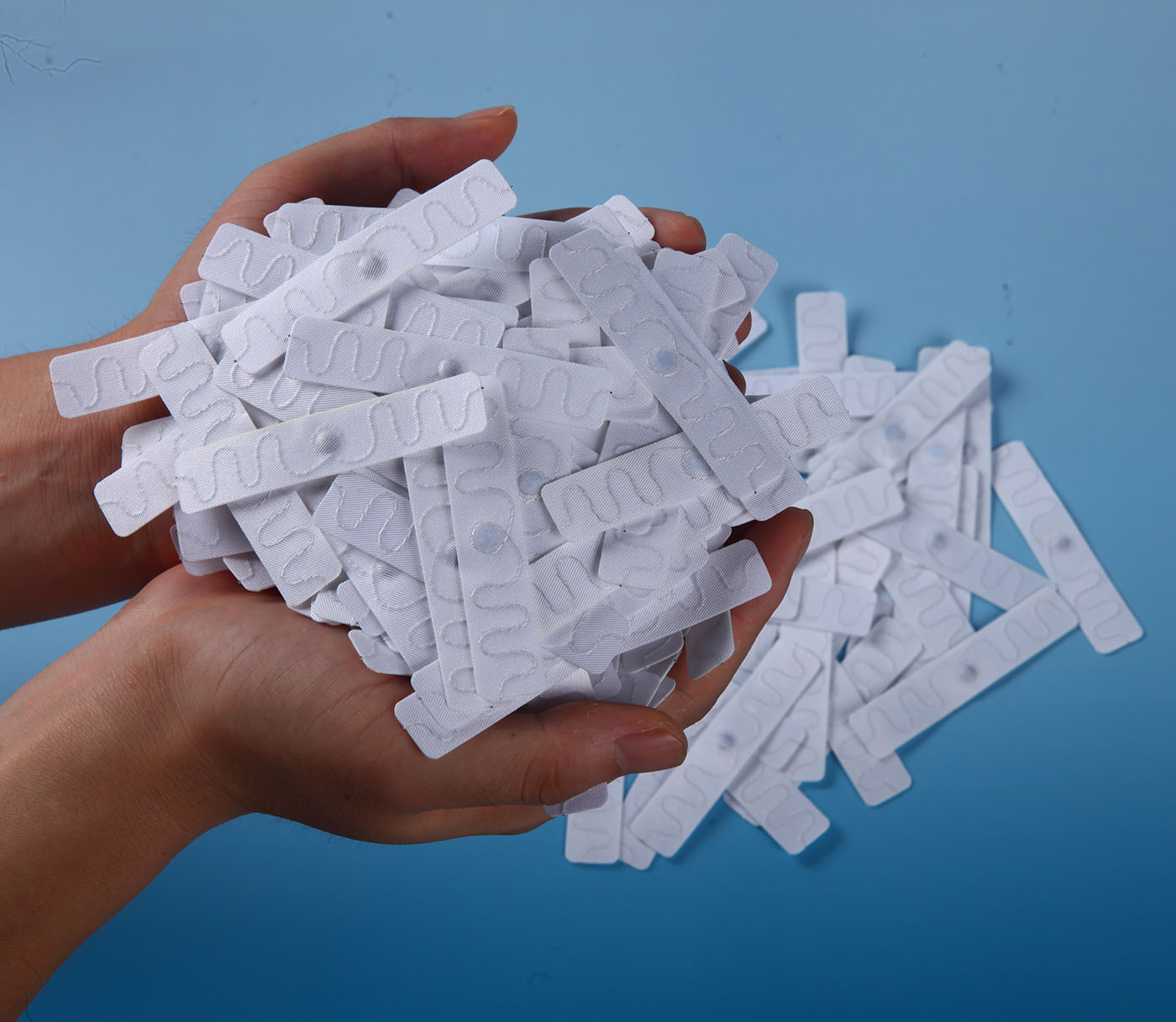
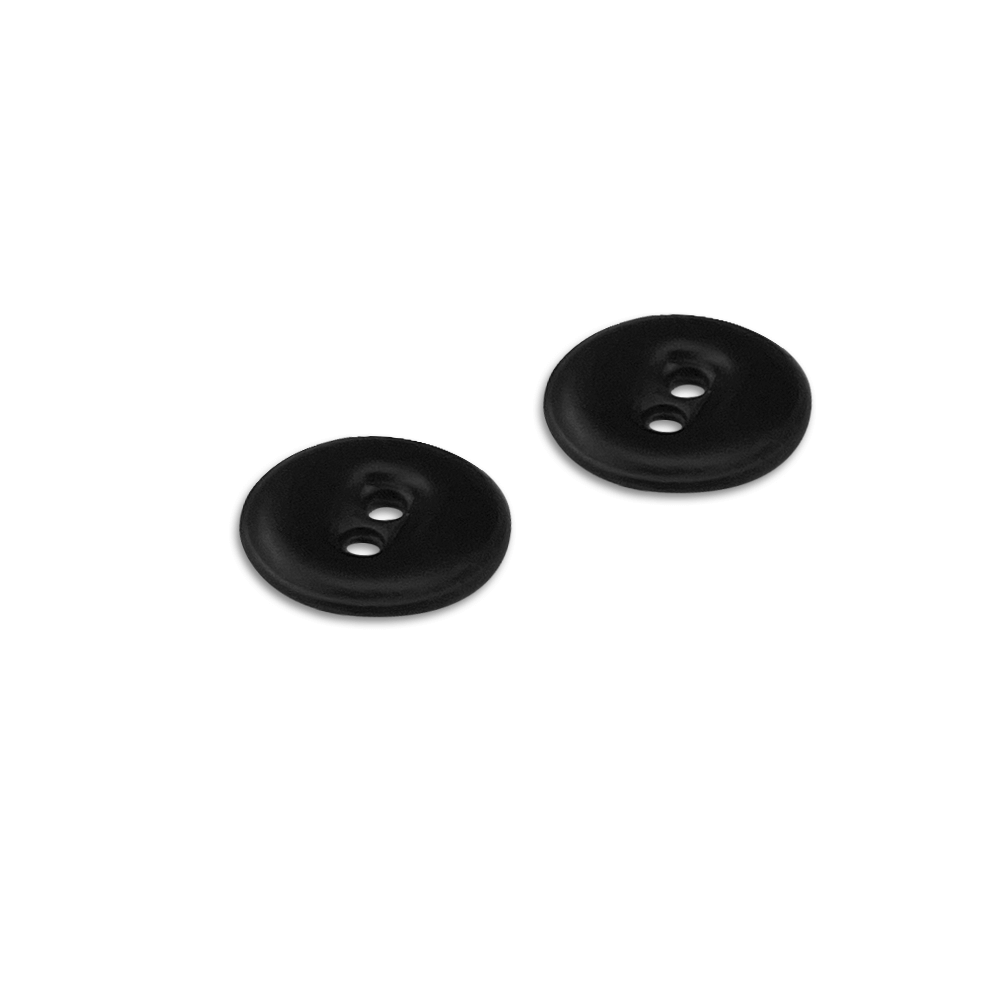
SKUs we typically deploy for laundry management. Tap a card for specs and samples.
At a glance
Use these short answers to decide whether this page matches the project before moving into the detail.
Implementation phases
Audit — wash profile + textile type + chip silicon + reader hardware compatibility. Pilot — 1,000-5,000 tags + tunnel reader + ERP integration validation.
Tag form factor selection
PPS chip 12-16 mm — sewn into seam pocket; smallest + most discreet. Silicone pouch 25-50 mm — heat-sealed at 180 °C × 10-15 sec.
Next step
Ready to move forward? Start your inquiry to get specific answers for this project.
Request laundry RFID guidance- Wash-durability + chemical resistance
-
- ISO 6330:2021 — Textiles, domestic washing + drying procedures.
- ISO 105 series — Textiles, tests for colour fastness.
- ASTM D5034 — fabric tensile strength.
- Solvay / Syensqo Ryton PPS Tg ≥85 °C; 200+ cycle life at 95 °C wash.
- Wacker ELASTOSIL HTV silicone — high-temperature vulcanisate.
- Industrial detergent (alkaline + bleach + enzyme + sour) compatible.
- Operational workflow automation
-
- Soiled collection — RFID-enabled cart + bag at client site.
- Receiving + sort — tunnel reader at facility entrance; ASN reconcile.
- Wash + dry — tags survive process unchanged.
- Ironing + folding — flatwork-ironer compatible.
- Tunnel finishing — 180 °C peak temperature.
- Pack + dispatch — outbound tunnel reader verifies count.
- Lifecycle counter — auto-retire at threshold.
- TRSA + ETSA + healthcare framework
-
- TRSA Hygienically Clean — Healthcare + Hospitality + Food & Beverage tracks.
- ETSA (European Textile Services Association) — EU equivalent.
- EN 14065 RABC — Risk Analysis Biocontamination Control (EU).
- ANSI/AAMI ST79:2017 — Comprehensive Guide to Steam Sterilization.
- ANSI/AAMI ST65:2008 — Processing of Reusable Surgical Textiles.
- ASTM F1671 — viral penetration of body-fluid barrier.
- Reader hardware
-
- Impinj Speedway R700 + R420 — 4-port fixed tunnel + cart portal.
- Zebra FX9600 + FX7500 — IP-65 + sub-zero rated.
- Times-7 A5010 RHCP + A6034 + A8060 — tunnel antenna array.
- MTI MT-261021 + MT-263003 — tunnel + ironer.
- Reader middleware — Impinj ItemSense + RFID4U + Zebra Savanna.
- Handheld — Zebra MC3300xR + RFD40 sled for cycle count.
- Laundry ERP + management software
-
- Positek RFID — TRSA-aligned laundry RFID software (US specialist).
- BTM Lavetech (Belgium) — EU laundry RFID + ERP.
- Datatex NOW — global textile + laundry ERP.
- Spindle — laundry route + delivery management.
- Harnois Industries — laundry equipment + RFID.
- Custom integration via REST + EPCIS event capture.
- Major laundry operator segments
-
- Cintas — largest US uniform + linen rental (USD 8B+ revenue).
- Aramark — uniform + food + healthcare + hospitality (USD 19B+).
- Alsco — uniform + linen rental (US privately-held).
- UniFirst — uniform rental + facility services.
- Mission Linen Supply — hotel hospitality West Coast US.
- Crown Linen — Eastern US hotel + restaurant.
- ImageFIRST + Crothall (Compass) — healthcare medical textile.
- EU side — Elis + Initial + Berendsen + Lindström + Mewa + CWS-boco lead.
- Lifecycle tracking + replenishment
-
- Each tag records cumulative wash-cycle count.
- Threshold alarm at 80% of design life (e.g., 160 of 200 cycles).
- Auto-retirement at full cycle life (200 cycles for PPS).
- Quality grade tracking (A / B / C) by inspection.
- Replenishment automation — link to procurement at threshold.
- Lifecycle waste reduction 10-20%.
- Operational ROI breakdown
-
- Counting labour — 50-70% reduction (5-15 min manual → 2-3 sec tunnel).
- Linen loss — 20-40% reduction (real-time inventory).
- Client billing dispute — eliminated (RFID-based count).
- Lifecycle waste — 10-20% reduction (cycle-count retirement).
- ROI payback — 6-12 months on 50K-item / week operation.
- Tag cost USD 0.15-0.40 / item amortised over 200+ wash life.
- Reference deployment metrics
-
- 50K item / week typical commercial laundry payback in 6-12 months.
- 100K item / week tier-1 operator payback in 4-9 months.
- Healthcare medical textile + ImageFIRST + Crothall — TRSA Healthcare track required.
- Hotel hospitality + Cintas + Aramark + Alsco — TRSA Hospitality track.
- Uniform rental — TRSA Food & Beverage + Aramark Uniform Services.
- EU side — ETSA + EN 14065 RABC for healthcare textile.
- What laundry RFID is NOT
-
- Not a hand-wash domestic textile tag — designed for industrial wash.
- Not a temperature sensor — pair with sensor for cold-chain medical textile.
- Not RFID retail apparel hang-tag — different chip + form factor + lifecycle.
- Not standalone — full ROI requires laundry ERP + tunnel reader integration.
Why RFID laundry — TRSA + 200 cycles + 50-70% labour saving
Picture the receiving dock of a commercial laundry before dawn: a canvas sling drops a tangled, dripping bag of linen onto the sort table, and someone has to know exactly how many sheets, gowns and chef coats are inside before any of it touches a washer. Counted by hand, that is a wet, thankless, error-prone job repeated across every bag, every shift. Pushed through a tunnel reader instead, the count is finished before the bag stops moving. Everything below is about making a tag survive the brutal middle of that journey — the wash, the chemistry, the heat — and still answer cleanly at the far end.
- Cintas + Aramark + Alsco + UniFirst + Mission Linen + ImageFIRST + Crothall = the 7 dominant US operators.
- PPS + silicone + textile woven + iron-on patch = the form-factor library covering all garment + linen types.
- TRSA Hygienically Clean (Healthcare + Hospitality + Food & Beverage) + ETSA + EN 14065 RABC + AAMI ST79 = the certification stack.
Manual counting + paper logbook vs RFID + tunnel + lifecycle tracking
Manual piece count + paper logbook
- 5-15 min manual count per bag at receiving + dispatch.
- Paper logbook reconciliation; client-billing dispute frequent.
- Linen loss 20-40% / year unaccounted; replacement cost.
- Manual lifecycle tracking; quality drift + late retirement.
- TRSA / ETSA audit by paper records; finding cycle.
- Client trust degraded on count mismatch + billing dispute.
RFID + tunnel reader + ERP + lifecycle counter
- Bag-level tunnel read 2-3 sec; full bag of 50-200 items counted.
- RFID-based count per delivery; client-billing dispute eliminated.
- Real-time inventory at every stage; loss reduced 20-40%.
- Auto-cycle counter + retirement alarm; quality + replenishment.
- TRSA / ETSA audit-clean RFID-traced records.
- Client trust restored; SLA-backed delivery accuracy.
- Tunnel reader (Impinj R700 / Zebra FX9600 + Times-7 / MTI antennas) reads wet laundry at 99-99.5%.
- Lifecycle counter + procurement integration triggers replenishment at 80% threshold.
- Laundry ERP (Positek + BTM Lavetech + Datatex NOW + Spindle + Harnois) consume RFID-discovered events natively.
PPS chip + Tunnel reader + ERP integration — the architecture
- Cintas + Aramark + Alsco + UniFirst + Mission Linen + ImageFIRST + Crothall = the dominant US operators driving volume.
- PPS chip housing + silicone pouch + textile woven + iron-on patch = the form-factor library.
- TRSA + ETSA + EN 14065 + AAMI ST79 + ASTM F1671 + ISO 6330 = the certification stack.
Where RFID laundry earns its margin — the application inventory
- Hotel + hospitality linen — sheet + pillowcase + towel + bathrobe + tablecloth.
- Healthcare medical textile — scrub + gown + isolation + drape + sheet.
- Uniform rental — workwear + executive + chef + lab coat + safety.
- Food + beverage — chef coat + apron + napkin + linen.
- Industrial workwear — coverall + jacket + glove + protective.
- OPL (On-Premises Laundry) — hotel + hospital + cruise.
- COIN (Coin-Operated Industrial) + commercial laundromat.
- PPE + isolation gown — single-use + reusable medical textile.
- Cleanroom textile + bunny suit — pharmaceutical + semiconductor + electronics.
- Athletic + sports team uniform + towel rental.
From 1995 first laundry RFID to 2024 EPCIS 2.0 — milestones
- 1995
First commercial laundry RFID pilot — UHF inlay in hotel linen at major US hotel chain.
- 2005
Solvay PPS (Ryton) housing for UHF chip; 200-cycle laundry tag emerges.
- 2010
TRSA Hygienically Clean certification launches — Healthcare + Hospitality + Food & Beverage tracks.
- 2013
EPC Gen2v2 + ISO/IEC 18000-63 ratified; chip sensitivity improvements drive tunnel-reader accuracy +5-10 percentage points.
- 2016
Textile woven RFID tag matures — fabric inlay sewn into care label; mainstream for uniform rental.
- 2018
Cintas + Aramark + Alsco + UniFirst expand RFID across all major service segments; tunnel reader becomes default at facility entrance.
- 2021
EN 14065 RABC + ANSI/AAMI ST79:2017 codify EU + US healthcare reusable textile sterile processing.
- 2024
GS1 EPCIS 2.0 + GIAI-96 + GRAI-96 encoding standardises across laundry ERP (Positek + BTM Lavetech + Datatex NOW + Spindle); EUDR + textile sustainability reporting begins.
- 2026 — Today
Field-reference patterns drawn from hotel-hospitality-cintas-aramark, healthcare-medical-textile-imagefirst-crothall, uniform-rental-multi-site, opl-cruise-hospital, food-beverage-chef-apron and cleanroom-pharmaceutical-bunny-suit programmes.
PPS vs silicone vs textile-woven vs iron-on — wash-durability deep-dive
An industrial laundry is, from a tag's point of view, a torture chamber with a customer-service department attached: scalding water, bleach, enzymes, a sour rinse, relentless mechanical agitation and a finishing press that flattens everything at a temperature that would happily warp a credit card. The form factor you choose decides how gracefully the tag loses that fight rather than whether it loses at all. The trade-off below is durability against comfort against cost — pick two, and the third quietly sends you the bill.
- PPS (polyphenylene sulfide, Solvay Ryton or Syensqo Lavanté) — gold-standard for industrial + medical laundry; Tg ≥85°C continuous + 200°C peak; alkaline + bleach + sour + enzyme detergent resistant; ironing-press resistant; 200+ wash cycle life at 95°C industrial wash + 180°C tunnel finishing. 12-16mm size, sewn into garment seam pocket. Most discreet form factor. $0.35-$0.80 unit at 50K+ qty.
- Silicone HTV (Wacker ELASTOSIL, Dow Sylgard) — flexible high-temperature vulcanisate, 25-50mm pouch, heat-sealed at 180°C × 10-15 sec without sewing. 150-200 cycle life. Faster retro-fit on existing inventory without machine sewing. $0.50-$1.20 unit.
- Textile woven (UHF inlay woven into fabric label, similar to clothing-brand woven label) — most comfortable for uniforms + workwear worn against skin; lower cycle life 50-100; smaller chip antenna so shorter read range. $0.45-$1.00 unit.
- Iron-on patch — 30×60mm fabric-back inlay with thermosetting adhesive, heat-press at 160°C × 30 sec onto flat linens (sheets, tablecloths, towels) where sewing is impractical. 50-100 cycle life. $0.35-$0.70 unit.
- Sew-in linen tape — UHF inlay laminated to twill tape, sewn into bottom hem of sheet / pillowcase / towel. 100-150 cycle life. $0.40-$0.80 unit.
- Polyimide (Kapton) variant — for autoclave + steam-sterilisation in pharma + healthcare; +200°C continuous; chemically inert; expensive ($1.50-$5/unit) and used only where standard PPS / silicone fails.
- On-uniform metal-button RFID — embedded into uniform button form factor for high-end hospitality; metal-mount chip + custom housing; specialty premium $2-$5/unit.
- Failure modes — chip-attach delamination (90%+ of failures), housing crack from impact (e.g., zip-attached at washer cylinder), antenna shorts from caustic chemical migration into housing, RFID read-rate degradation at >100 cycles due to housing yellowing / opacification (less a read issue, more inventory visibility issue).
- Wash-chemistry impact — sodium hypochlorite (bleach) is the most aggressive at high concentration + temperature; quaternary-ammonium disinfectant in healthcare laundry softens some polymer housings; non-aluminium-anodised tunnel finisher contact damages painted-coated housings.
- Testing methodology — ISO 6330:2021 simulated wash + ISO 105 colour-fastness analogues for laundry RFID; in practice, the customer's actual tunnel + chemistry + textile is the only meaningful test. 100-piece sample roll for 50-100-cycle first-article testing is standard.
- Sample-then-procure pattern — 100 pieces of each form factor at no-charge sample → customer tests on actual tunnel washer + finisher + chemistry → measures pre/post read-rate at 50 + 100 cycles → selects winning combo for production order.
Tunnel reader integration — Kannegiesser / Jensen Senking / Milnor / Pellerin / Image
- Kannegiesser PowerTrans + PowerLine tunnel washer — German engineering leader for industrial + healthcare laundry; OEM RFID integration with Datatex NOW + Positek + BTM Lavetech via Kannegiesser's own integration layer.
- Jensen Senking tunnel washer + Universal finisher — Swiss + Danish brand under Jensen Group; native RFID integration on newer models; older models retrofit via reader-tunnel adapter.
- Milnor / Pellerin (US) — North American tunnel washer + ironer / folder OEMs; common at Cintas + Aramark + UniFirst US plants; native RFID integration in mid-2020s line.
- Image (Italy) — alternative European OEM; common in Italian + Mediterranean + LatAm deployments.
- Lavatec (Germany) + Speed Queen Commercial (US) + Tolkar (Turkey) + Stahl (Germany) — additional OEMs with varying RFID readiness.
- Tunnel reader topology — UHF antenna positioned at tunnel discharge (sling discharge or batch unloader) reads goods as they exit; antenna gain + polarisation tuned to the wet textile environment (water + soap suds dampens UHF signal). Typical 95-99% read accuracy after tuning.
- Sling-tracking reader — UHF reader at every sling load + unload point to track which textile was in which sling for traceability + chargeback dispute resolution.
- Ironer / folder integration — additional UHF reader at ironer output or folder station for piece-counting + sort-routing; integrates with sort/folder vendor (Kannegiesser, Lapauw, Sympas, IPSO).
- Finishing-station UHF reader — at packout / shipping; final outbound counts + customer-allocation tagging.
- Reader hardware — Impinj R700 + R420, Zebra FX9600 + FX7500, plus laundry-specialist readers (Positek RTR, BTM Lavetech, NorthShore Tagger).
- Antenna environment — laundry environment is RF-noisy (motors, contactors, VFDs in tunnels) — site survey + shielded RFID enclosure + careful antenna placement required.
- Integration vendor — Positek RFID (NJ-based, dominant US laundry RFID installer), BTM Lavetech (Germany, dominant EU), Aktion Associates (US), Spindle (US healthcare + hospitality), Datatex NOW (Italy ERP) — partner with the laundry operator + tunnel OEM to deliver end-to-end.
Healthcare laundry compliance — TRSA Hygienically Clean / EN 14065 / AAMI ST79 / OSHA BBP
- TRSA (Textile Rental Services Association) Hygienically Clean — voluntary North American certification with two tracks: Hygienically Clean Food Safety + Hygienically Clean Healthcare. Healthcare track requires microbiological testing at independent lab + on-site process audit + management documentation. ImageFIRST + Crothall + Healthcare Linen Services hold this certification.
- EN 14065 — EU equivalent for medical textile laundering; RABC (Risk Analysis and Biocontamination Control) system covering people + flow + textile + machine + air + water + chemistry. Required by EU healthcare laundry operators.
- ANSI/AAMI ST79:2017 — Comprehensive guide to steam sterilization in healthcare facilities; covers textile preparation + sterile barrier maintenance + load tracking — RFID supports load + lot tracking required for steriliser cycle records.
- ASTM F1671 — Viral penetration resistance for protective clothing; textile + medical-grade laundering must preserve barrier performance over wash cycles.
- OSHA Bloodborne Pathogens 29 CFR 1910.1030 — workers handling contaminated textile must be protected; RFID-tagged contaminated bag / sling enables segregation + chain-of-custody from collection through clean output.
- CDC Guidelines for Environmental Infection Control in Health-Care Facilities — Tagged sterile-barrier textiles enable load-traceability for outbreak investigation.
- Joint Commission EC.02.06.05 — Hospital environmental + linen management standards; RFID-tagged linen supports compliance with par-stock + temperature + chemistry monitoring.
- FDA 21 CFR 880 — Medical-device classification for reusable surgical gowns; cycle-counted + sterilisation-validated lifecycle tracked via RFID-bound load history.
- Specific cleanroom + pharma — USP <797> / <800> for pharma compounding + cleanroom textile; tracked through 'bunny suit' lifecycle with cycle count + autoclave records; tag survives autoclave + chemical disinfectant.
- Major healthcare laundry operators — ImageFIRST (US national), Crothall Healthcare (Compass Group), Healthcare Linen Services (Encompass), CITX (Canada), Servizi Italia (Italy), Elis (France), Berendsen / Elis (EU), Mediclinic (UK), Reidinger (Austria).
- RFID's role in healthcare laundry — par-stock visibility per ward (no missing surgical gowns, no over-stock); sterilisation-load lot binding; contaminated-bag chain-of-custody; outbreak-investigation traceability; chargeback dispute resolution between hospital + laundry vendor.
Major operator programmes — Cintas / Aramark / UniFirst / ImageFIRST / Alsco / Elis
The reassuring part of laundry RFID is that the largest operators in the world have already made every expensive mistake on your behalf. They run at a scale where a fraction of a percent of mis-sorted linen becomes a real line on the budget, so their tag, reader and ERP choices are worth studying closely before you commit to your own — borrowed scars are the cheapest kind.
- Cintas (US) — largest US uniform-rental + facility-services operator; ~440 distribution facilities + ~700K customer accounts. RFID-tagged uniform + workwear + linen + mat at most plants since 2010s rollout. Tag spec: PPS + UHF Gen2v2; reader fleet Impinj + Positek. Annual revenue >$9B (FY2024).
- Aramark Uniform Services (US) — competitor + similar scale; RFID-enabled across uniform rental + medical textile + facility supply. Aramark Healthcare + Aramark Refreshments + Higher Education + Sports + Entertainment segments.
- UniFirst (US) — third-largest US uniform-rental + facility services; comparable RFID adoption; particularly strong in mid-market industrial customer base.
- ImageFIRST Healthcare (US) — largest US-dedicated healthcare laundry; RFID-tagged across surgical + patient gown + sheet + towel. TRSA Hygienically Clean Healthcare certified.
- Crothall Healthcare Linen (US, subsidiary of Compass Group) — second-largest US healthcare laundry; TRSA + EN 14065 across US + Canada operations.
- Healthcare Linen Services / Encompass Group (US) — third-tier US healthcare laundry network.
- Cantel Medical / Spectrum Linen Services — additional US healthcare laundry players.
- Elis (EU + LatAm) — French laundry giant operating across 28 countries; ~50K customers + ~36K employees; multi-segment (hotel, healthcare, industrial, food-and-bev). RFID across most of its hospitality + healthcare estates.
- Berendsen (now merged into Elis 2017) — UK + EU heritage operator absorbed into Elis.
- Alsco / Linen King / G&K (US) — additional players; G&K acquired by Cintas 2017.
- Servizi Italia + Sterimed (Italy) — major Italian healthcare laundry operators.
- Mediclinic + Servizi Italia + Reidinger (Austria + DACH) — Central European healthcare laundry players.
- Operator adoption patterns — major operators standardise on 2-3 tag SKU families (PPS + silicone + iron-on); reader fleet from 1-2 vendors (Positek + Impinj or BTM + Zebra); ERP integration to Datatex NOW + Positek + BTM Lavetech.
- Cintas + Aramark RFID ROI claims (per published case studies and investor disclosures) — typical 15-25% labour reduction at sort + count, 30-50% reduction in lost / unaccounted inventory, 10-20% reduction in customer chargeback disputes, 5-10% lift in linen utilisation.
Useful next pages
Use these linked product, guide and comparison pages to keep the next click specific and practical.
Laundry RFID products
Tags + readers for industrial laundry environments.
Adjacent industries + solutions
Cross-vertical reading for laundry-services procurement.
Compare + research
Compare PPS vs silicone + chip-family.
FAQ
Should laundry projects start with PPS or silicone tags?
Start with the wash profile + textile handling method, not the tag material. PPS chip 12-16 mm in heat-resistant Solvay / Syensqo Ryton housing (Tg ≥85 °C, 200+ cycle life at 95 °C wash, 180 °C tunnel finisher peak) is the gold-standard for industrial laundry — sewn into garment seam pocket, smallest + most discreet, highest cycle life. Silicone pouch 25-50 mm (Wacker ELASTOSIL HTV high-temperature vulcanisate) is the alternative for retro-fit on existing inventory — heat-sealed at 180 °C × 10-15 sec without sewing, faster application but slightly lower cycle life (150-200 cycles). Textile woven tags (UHF inlay woven into fabric label) are the most comfortable for uniforms + workwear worn against skin (50-100 cycles). Iron-on patches (30×60 mm, heat-press 160 °C × 30 sec) for flat linens (sheets, tablecloths, towels) where sewing is impractical (50-100 cycles). Specify wash temperature + chemical exposure + textile type + attachment method, and we route the matching combo + 100-piece sample roll for first-article wash-durability testing.
What makes laundry sample testing useful?
Testing only becomes meaningful when the sample split reflects the real attachment method + textile type + wash-cycle stress + chemical exposure profile. Useful first-article testing: (1) 100 tags of each form factor (PPS + silicone + textile woven); (2) sewn / heat-sealed / iron-on per the customer's actual attachment method; (3) cycle through the customer's actual tunnel washer + finisher 50-100 times (representing 25-50% of design life); (4) measure pre/post read-rate + sensitivity at the customer's deployed tunnel reader; (5) inspect adhesive / housing integrity + chip-attach reliability at 50-100 cycles. The failure mode in laundry RFID is almost never the chip — it is the housing + sewing + heat-seal attachment + RF environment in the wet bag. Generic 'lab-cycle' testing without the customer's actual textile + wash chemistry + attachment method is not predictive. We supply 100-piece sample rolls no-charge for new-customer first-article wash-durability testing on the deployed tunnel washer + finisher before mass production.
Can hotels and industrial laundries use the same tag?
Sometimes, but not by default. Hotel hospitality linen (sheet + pillowcase + towel + bathrobe) typically wash at 85 °C with milder detergent + no bleach + 30-50 second tunnel finisher; PPS or textile woven tag works comfortably for 200+ cycles. Industrial laundry (Cintas + Aramark uniform rental) processes harsher cycles at 90-95 °C with alkaline + bleach + enzyme + sour detergent + longer tunnel finisher exposure; PPS housing is required for the chemical + heat resistance. Healthcare medical textile (ImageFIRST + Crothall) requires TRSA Hygienically Clean Healthcare track + ANSI/AAMI ST79:2017 + ASTM F1671 viral-penetration compliance + chemical disinfectant resistance — PPS chip with autoclave-rated polyimide variant is required. The frequency band (UHF Gen2v2) is identical across all three; the differentiation is the physical tag construction. We supply the PPS variant rated for the harshest segment (industrial) by default; specify your operator + segment + TRSA / ETSA track and we route the matching cost-optimised variant if a less-rugged tag is operationally sufficient.
How does RFID laundry integrate with ERP and management software?
The dominant laundry ERP platforms — Positek RFID (TRSA-aligned US specialist), BTM Lavetech (Belgium-based EU laundry RFID + ERP), Datatex NOW (global textile + laundry ERP), Spindle (route + delivery management), Harnois Industries (laundry equipment + RFID + integration) — natively consume RFID-discovered EPC events via REST + GS1 EPCIS 2.0 (ISO/IEC 19987:2021) Commission + ObjectEvent + AggregationEvent. The tunnel reader (Impinj Speedway R700 + R420 + Zebra FX9600 + Times-7 + MTI antennas) at facility entrance fires an ObjectEvent for every GIAI-96 / GRAI-96 encoded tag passing through; middleware (Impinj ItemSense + Zebra Savanna + RFID4U) translates the EPC stream into ERP-native message format. Integration typically completes in 6-12 weeks per facility after equipment installation. Lifecycle counter + procurement integration (auto-retire at 80% threshold + replenishment trigger to procurement) is the highest-leverage feature. For tier-1 multi-site operators (Cintas + Aramark + Alsco + UniFirst), a master-account dashboard rolls up across 100-500+ facilities + reports operational KPIs (counting labour, linen loss, lifecycle waste, billing-dispute rate, ROI tracking) in real-time.
Which tunnel washer + ironer OEMs integrate cleanly with RFID readers?
All major industrial laundry OEMs support RFID either natively (newer models) or via reader-tunnel retrofit kit (legacy models). Native: Kannegiesser PowerTrans + PowerLine tunnel washer (German engineering leader) with OEM integration to Datatex NOW + Positek + BTM Lavetech. Jensen Senking tunnel washer + Universal finisher (Swiss + Danish, Jensen Group) with native UHF reader integration on 2020+ models. Milnor + Pellerin (US) for Cintas + Aramark + UniFirst US plants. Image (Italy), Lavatec (Germany), Speed Queen Commercial (US), Tolkar (Turkey), Stahl (Germany) all have varying levels of RFID readiness. Reader hardware: Impinj R700 + R420, Zebra FX9600 + FX7500, plus laundry-specialist readers (Positek RTR, BTM Lavetech, NorthShore Tagger). Antenna environment is RF-noisy (motors, contactors, VFDs) — site survey + shielded RFID enclosure + careful antenna placement required for 95-99% read accuracy.
How do TRSA Hygienically Clean / EN 14065 / AAMI ST79 affect tag + workflow choice?
These standards drive both tag construction + workflow design. TRSA Hygienically Clean Healthcare (North America) requires microbiological lab testing + on-site process audit. EN 14065 (EU) requires RABC (Risk Analysis and Biocontamination Control) covering people + flow + textile + machine + air + water + chemistry. ANSI/AAMI ST79:2017 covers steam sterilisation in healthcare; RFID enables load-traceability for steriliser cycle records. ASTM F1671 viral-penetration resistance for protective clothing must be preserved over wash cycles. OSHA Bloodborne Pathogens (29 CFR 1910.1030) requires RFID-tagged contaminated bag / sling for chain-of-custody. CDC environmental infection control + Joint Commission EC.02.06.05 + FDA 21 CFR 880 reusable surgical gowns + USP <797> / <800> pharma compounding all reference tagged-load lifecycle. Recommendation for healthcare laundry: PPS tag with polyimide-rated variant for autoclave-compatible sterile-barrier textile; non-autoclave standard PPS for regular hospital linen. Major operators (ImageFIRST + Crothall + Healthcare Linen Services + ELIS) all run TRSA + EN 14065 certified estates.
How do major operators like Cintas + Aramark + Elis use RFID at scale?
Cintas (US, ~$9B revenue + 440 plants + 700K accounts), Aramark Uniform Services (US, similar scale), UniFirst (US tier-3), ImageFIRST + Crothall Healthcare (US healthcare laundry leaders, both TRSA Hygienically Clean Healthcare), Elis (EU + LatAm, 28 countries + 50K customers) — all run RFID-tagged uniform + linen + medical textile across most facilities since 2015-2020 rollout. Standardisation pattern: 2-3 tag SKU families (PPS + silicone + iron-on), reader fleet from 1-2 vendors (Positek + Impinj or BTM + Zebra), ERP integration to Datatex NOW + Positek + BTM Lavetech. Published ROI: 15-25% labour reduction at sort + count, 30-50% reduction in lost / unaccounted inventory, 10-20% reduction in customer chargeback disputes, 5-10% lift in linen utilisation. Smaller operators benchmark against these references when designing programmes.
What is the ROI for RFID in commercial laundry?
ROI typically achieved in 6-12 months. For a laundry processing 50,000 items per week: counting labour reduction (50-70% fewer person-hours via 2-3 sec tunnel read vs 5-15 min manual count), linen loss reduction (20-40% fewer lost items via real-time inventory at every stage), client billing dispute elimination (RFID-based count prevents disputes with hotel + hospital + restaurant customers), and lifecycle waste reduction (10-20% — cumulative wash-cycle counter triggers retirement before quality degradation) are the four primary ROI drivers. RFID tag cost USD 0.15-0.40 per item amortised over 200+ wash cycles = USD 0.001-0.002 per item-wash, offset within first year. Tier-1 100K+ item / week operators see 4-9 month payback. Tag manufacturer cost (Proud Tek + Smartrac + Avery Dennison + HID Global Omni-ID + Xerafy + Confidex) supplies wash-cycle-life documentation per ISO 6330:2021 + ISO 105-B02 + ASTM D5034 + TRSA / ETSA / EN 14065 / AAMI compliance for the deployed track. Cintas, Aramark, Alsco, UniFirst, Mission Linen, ImageFIRST, Crothall and similar tier-1 operators have validated this ROI across hotel + healthcare + uniform + food & beverage segments.
Sources & references
Primary standards, OEM datasheets and regulatory documents cited by this article. All URLs were verified on the access date shown below.
- ISO/IEC 18000-63:2015 — RAIN RFID UHF Gen2v2 Air-Interface (860-960 MHz)
UHF Gen2v2 air-interface for tunnel-washer + flatwork-ironer + laundry-cart portal reads.
- GS1 — EPC Tag Data Standard 2.0 + EPCIS 2.0 (ISO/IEC 19987:2021)
GIAI-96 + GRAI-96 + SGTIN-96 EPC encoding for textile + uniform + healthcare-linen serialisation; EPCIS 2.0 event-capture model.
- ISO 6330:2021 — Textiles — Domestic Washing and Drying Procedures for Textile Testing
Wash-durability test standard for evaluating silicone + textile woven + PPS RFID laundry-tag life.
- TRSA — Hygienically Clean Certification (Healthcare + Hospitality + Food & Beverage Tracks)
Industrial-laundry hygiene certification — three tracks — relied on by Cintas + Aramark + Alsco + UniFirst + Mission Linen + ImageFIRST + Crothall.
- EN 14065 — Textiles — Laundry-Processed Textiles — Biocontamination Control System (RABC)
EU healthcare textile microbial control framework; the EU-side equivalent of TRSA Hygienically Clean Healthcare.
- ANSI/AAMI ST79:2017 — Comprehensive Guide to Steam Sterilization in Health Care Facilities
Healthcare reusable medical textile sterile processing standard; basis for hospital scrub + gown + drape RFID tag spec.
- Solvay / Syensqo — Ryton PPS Polyphenylene Sulfide Polymer Datasheet
Material data reference for PPS laundry-tag housings rated for 200+ cycles at 95 °C industrial wash + 180 °C tunnel finisher.
- Wacker ELASTOSIL HTV Silicone Technical Data + High-Temperature Vulcanisate
Material reference for silicone-pouch laundry-tag housings used in garment + hospitality linen applications.
- Positek RFID + BTM Lavetech + Datatex NOW Laundry ERP Documentation
Laundry ERP platforms — TRSA-aligned US specialist (Positek), Belgium EU laundry RFID (BTM Lavetech), global textile + laundry ERP (Datatex NOW).
- Impinj Monza R6-P + M700 Series UHF Tag Chip Family + NXP UCODE 8 / 9
Common UHF chip silicon inside PPS + silicone + textile laundry tags; Monza R6-P proven 5+ year laundry installed base, UCODE 9 -23.5 dBm sensitivity for high-volume + cold-DC.
- Cintas Corporation — investor disclosures + uniform-rental + facility services
Largest US uniform-rental + facility services operator (~$9B revenue + 440 plants + 700K accounts); RFID-tagged uniform + workwear + linen + mat at most plants.
- Aramark Uniform Services — investor + segment disclosures
Major US uniform-rental + healthcare + facility supply operator; RFID-enabled across uniform rental + medical textile + facility supply segments.
- ImageFIRST Healthcare Laundry Specialists
Largest US-dedicated healthcare laundry; RFID-tagged across surgical + patient gown + sheet + towel; TRSA Hygienically Clean Healthcare certified.
- Crothall Healthcare Linen Services (Compass Group)
Second-largest US healthcare laundry network; TRSA + EN 14065 across US + Canada operations.
- Elis SA — European laundry + facility services
French laundry giant operating across 28 countries with ~50K customers + ~36K employees; multi-segment (hotel, healthcare, industrial, food-and-bev); RFID across most hospitality + healthcare estates.
- Kannegiesser PowerTrans + PowerLine tunnel washer
German tunnel washer + finisher engineering leader; native RFID integration with Datatex NOW + Positek + BTM Lavetech.
- Jensen Group — tunnel washer + finisher technology
Swiss + Danish brand for industrial + healthcare laundry tunnel washer + finisher with native UHF reader integration.
- TRSA — Textile Rental Services Association Hygienically Clean Healthcare
North American voluntary healthcare laundry certification with microbiological lab testing + on-site process audit + management documentation requirements.
- OSHA Bloodborne Pathogens Standard (29 CFR 1910.1030)
Required protection for workers handling contaminated textile; RFID-tagged contaminated bag / sling supports segregation + chain-of-custody.
- EU Regulation 2024/1781 — ESPR Digital Product Passport (textile + apparel scope)
EU ESPR Digital Product Passport for textiles (mandatory 2027); RFID supports per-garment lifecycle + recycle traceability + circular-economy compliance.
- GS1 EPCIS 2.0 (ISO/IEC 19987:2021) + GIAI-96 + GRAI-96
Event-data + encoding standards for laundry RFID workflow integration with laundry ERP (Positek + BTM Lavetech + Datatex NOW + Spindle).
Proud Tek is a Shenzhen-based RFID & NFC manufacturer supplying hotel chains, transit operators, event venues and retail brands worldwide. Every order includes free samples, RF testing and dedicated project support.
Get a Quick Quote
Tell us about your project and we'll respond within one business day. Fields marked (asterisk) are required.