
RFID Cards
Complete guide to RFID cards

Quick answer
In specification terms, RFID cards are ISO/IEC 7810 ID-1 (CR80, 85.60 × 53.98 mm) contactless smart cards. A chip and antenna laminated between PVC, PET, ABS, polycarbonate, wood, metal or bamboo body layers and finished as a pocket-portable credential for access control, transit fare, hotel room keys, loyalty programmes, employee ID, payment and membership. Within the RFID product family the card is distinguished by its carrying form-factor (a standardised plastic credential) and its regulatory lineage (ISO/IEC 7810, 7811, 7816, 14443, 15693 — the same standards that govern payment and passport cards), so it is the natural choice for any application where the end user carries the credential on their person and where an issuing, locking and revocation life-cycle is required.
- 29 RFID card, NFC business card and smart-card SKUs. MIFARE Classic 1K, MIFARE DESFire EV3, MIFARE Plus SE, MIFARE Ultralight C, NTAG424 DNA TT, ICODE SLIX, EM4100, UHF, dual-frequency, metal, wood, bamboo, transparent, magstripe-combo and RFID-blocking cards.
- Every card conforms to ISO/IEC 7810 ID-1 (85.60 × 53.98 × 0.76 mm CR80), the same physical format as a payment or government ID card, so they fit every access-control reader, hotel lock, transit gate and card-printer on the market.
- Full customisation — 4-colour offset printing, 600 dpi digital printing, spot UV, embossing, holograms, magnetic stripe (HiCo 2750 Oe / LoCo 300 Oe), signature panel, photo ID and pre-encoding of EPC / UID / NDEF / sector keys per your workflow.
Browse all 26 RFID Cards
Every RFID Card SKU we manufacture — click any card for spec sheets, chip options, MOQ and lead times, or send the inquiry form on the right to request a quote across multiple SKUs at once.
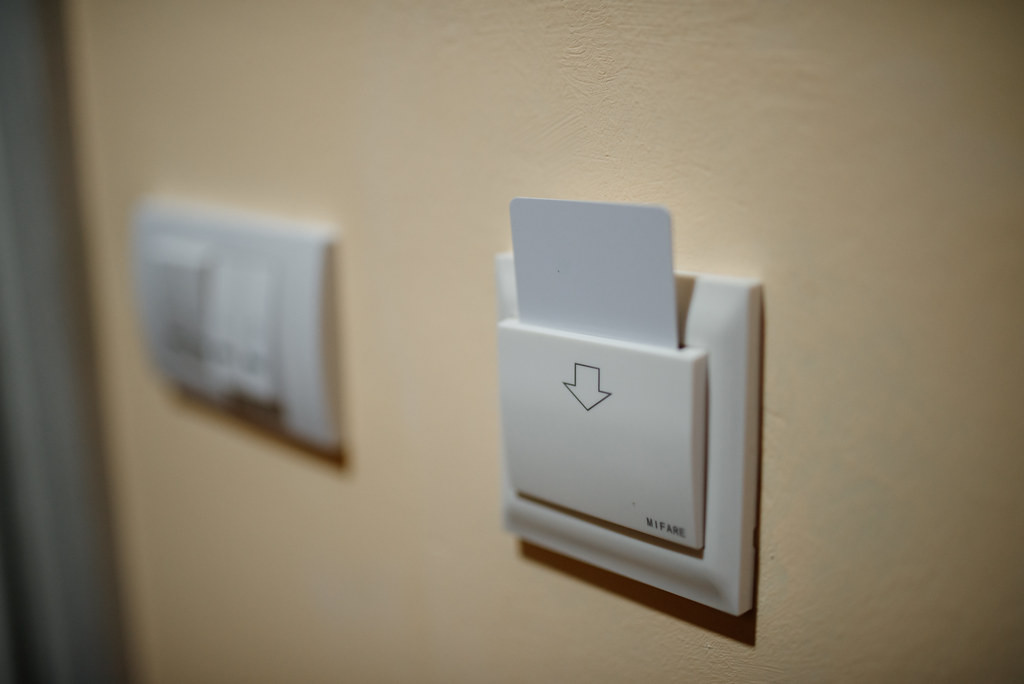
Assa Abloy / VingCard-Compatible Hotel Key Cards
Proud Tek manufactures RFID hotel key cards that work on Assa Abloy Hospitality lock platforms — VingCard Classic, Essence, Allure, Signatu...
Explore Assa Abloy / VingCard-Compatible Hotel Key Cards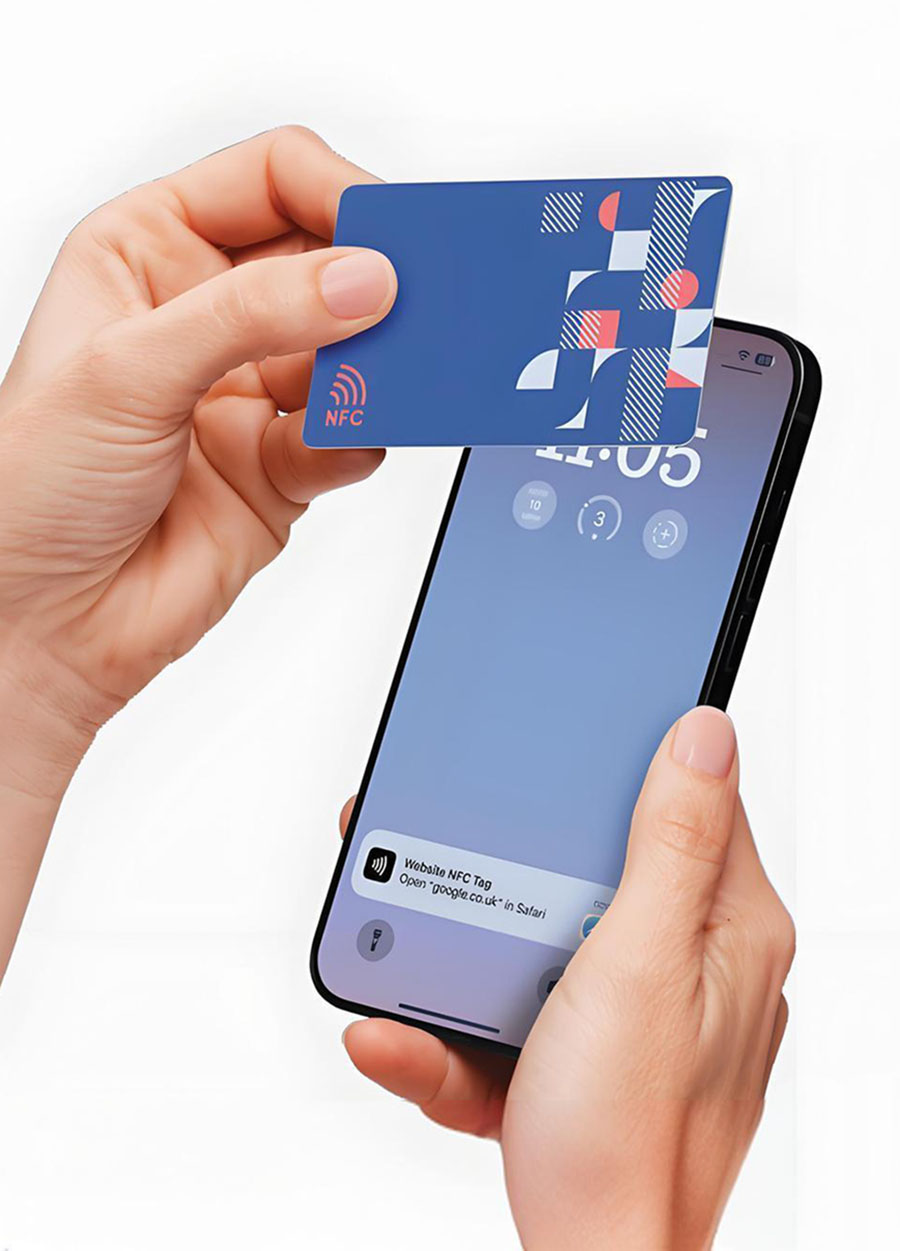
Custom-Printed NFC Cards
Order 13.56 MHz NFC cards with full-color custom printing directly from Proud Tek's Shenzhen factory. Our printed NFC cards combine high-fr...
Explore Custom-Printed NFC Cards
Dual-Frequency RFID Cards
A dual-frequency RFID card embeds two electrically independent RFID inlays — tuned to different bands. Inside one ISO/IEC 7810 ID-1 card bo...
Explore Dual-Frequency RFID Cards
EM4100 Proximity Cards
The legacy 125 kHz LF proximity chip is the most widely deployed 125 kHz read-only RFID chip — a fixed-ID proximity card with no encryption...
Explore EM4100 Proximity Cards
ICODE SLIX Cards
NXP ICODE SLIX and SLIX2 are 13.56 MHz vicinity chips that implement ISO/IEC 15693 and ISO/IEC 18000-3 Mode 1 — the long-read-range, anti-c...
Explore ICODE SLIX Cards
MIFARE Classic 1K Cards
The legacy 13.56 MHz access-control chip is NXP's original ISO/IEC 14443-3 Type A contactless smart card (13.56 MHz, 1 KB EEPROM, 16 sector...
Explore MIFARE Classic 1K Cards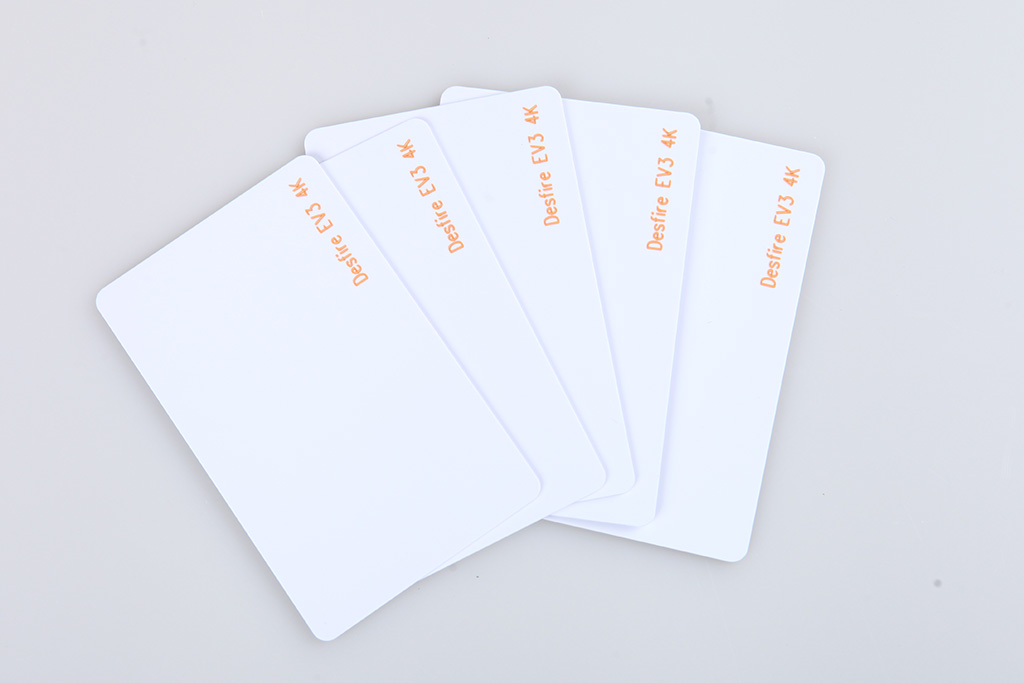
MIFARE DESFire EV3 Cards
MIFARE DESFire EV3 is NXP's AES-128 contactless smart card platform (ISO/IEC 14443 Type A + ISO/IEC 7816-4 APDU file system) certified to C...
Explore MIFARE DESFire EV3 Cards
MIFARE Plus SE Cards
The entry-tier AES smart-card chip is NXP's drop-in AES-128 security upgrade for MIFARE Classic 1K installations. It runs in MIFARE Classic...
Explore MIFARE Plus SE Cards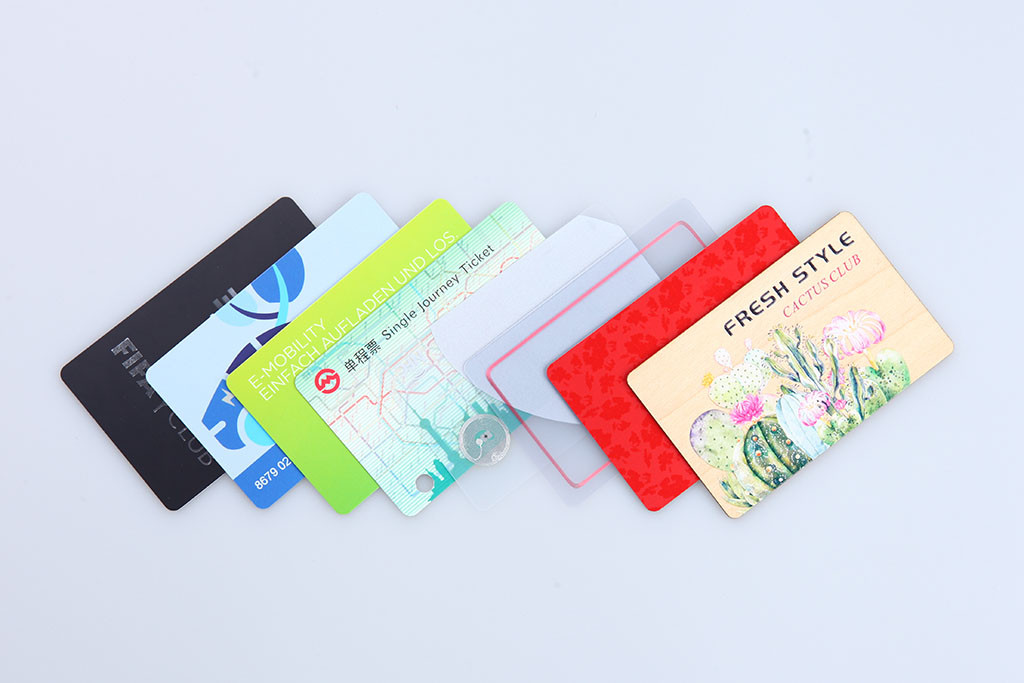
MIFARE Ultralight C Cards
NXP MIFARE Ultralight C (MF0ICU2) is the disposable-tier NFC card chip: 192 bytes of user memory, 3DES mutual authentication (112-bit key),...
Explore MIFARE Ultralight C Cards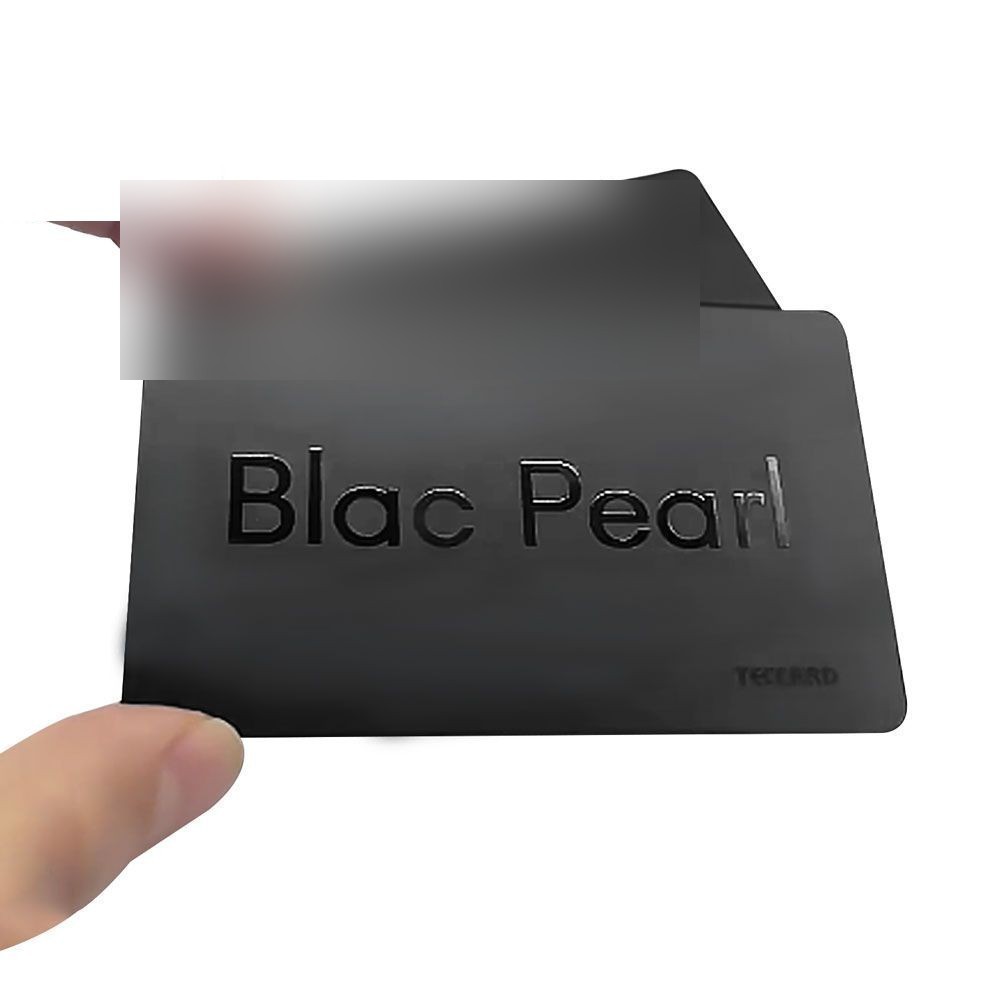
NFC Warranty Cards
NFC warranty cards replace traditional paper warranty cards with a tap-to-register experience. Include the NFC card in your product packagi...
Explore NFC Warranty Cards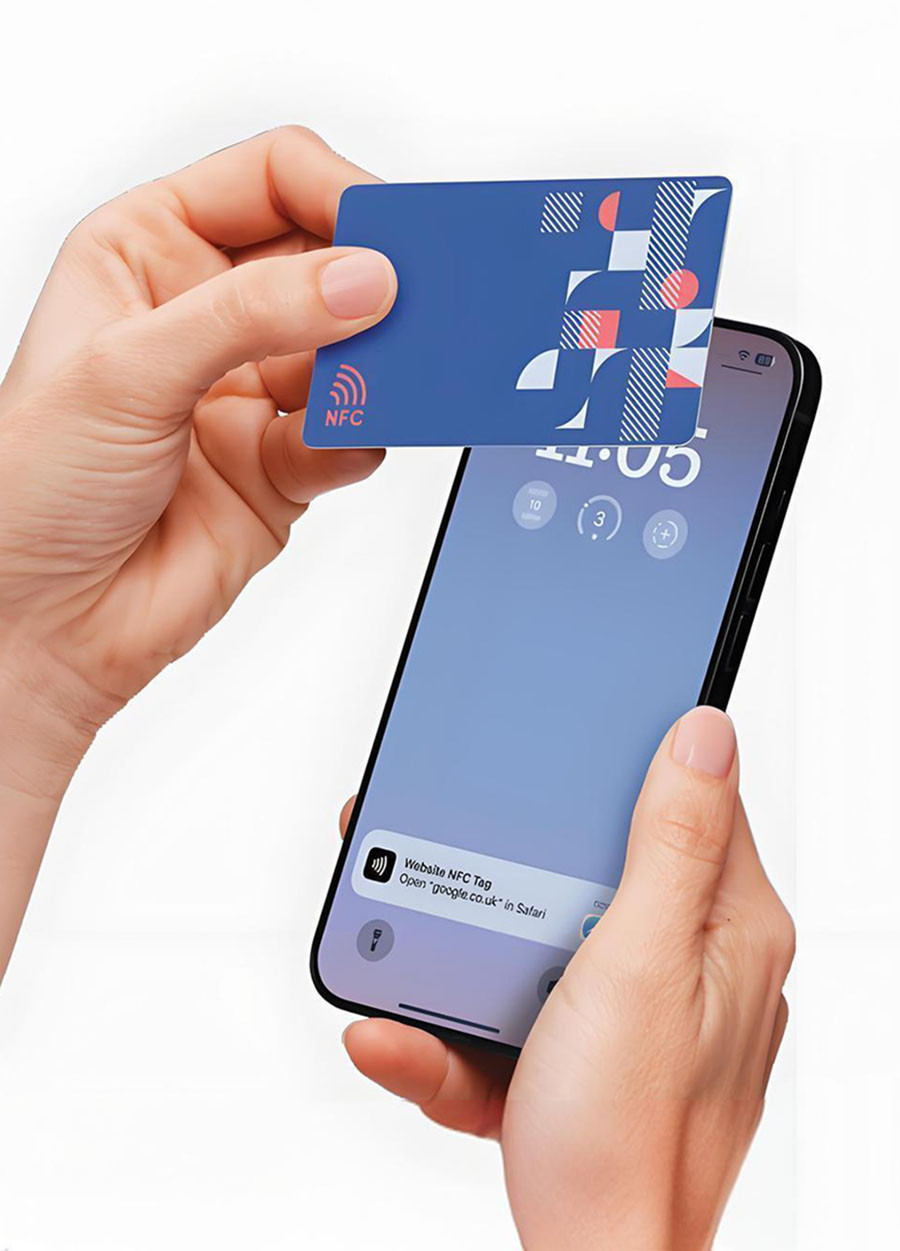
NTAG 424 DNA TT Cards
This NXP secure NFC chip family TT cards pair NXP's AES-128 SUN authentication with a hardware tamper loop, so a phone tap proves the produ...
Explore NTAG 424 DNA TT Cards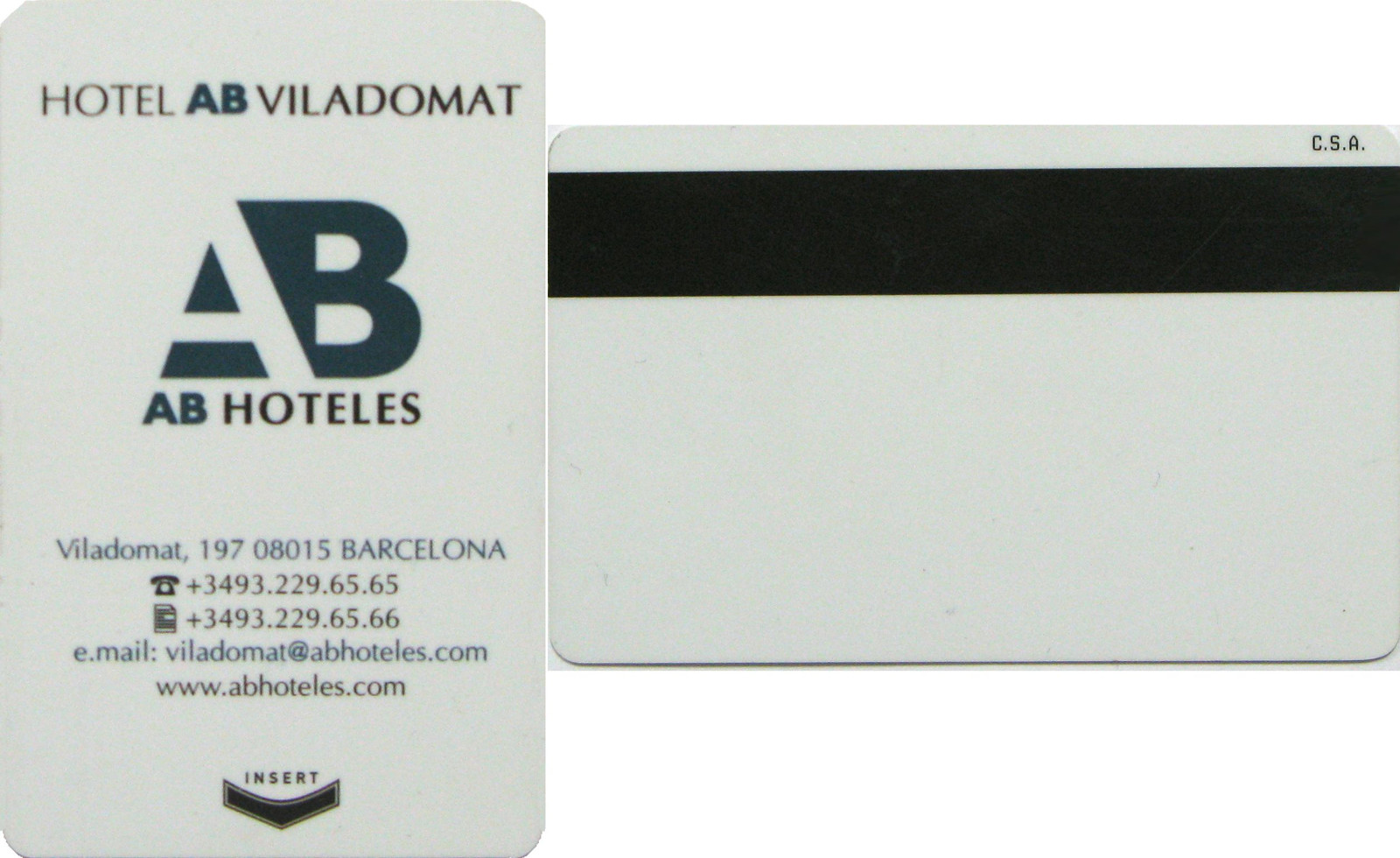
RFID + Magstripe Combo Card
Proud Tek supplies dual-technology credentials that carry a 13.56 MHz RFID chip (MIFARE Classic / DESFire EV3 / NTAG / HID iCLASS) alongsid...
Explore RFID + Magstripe Combo Card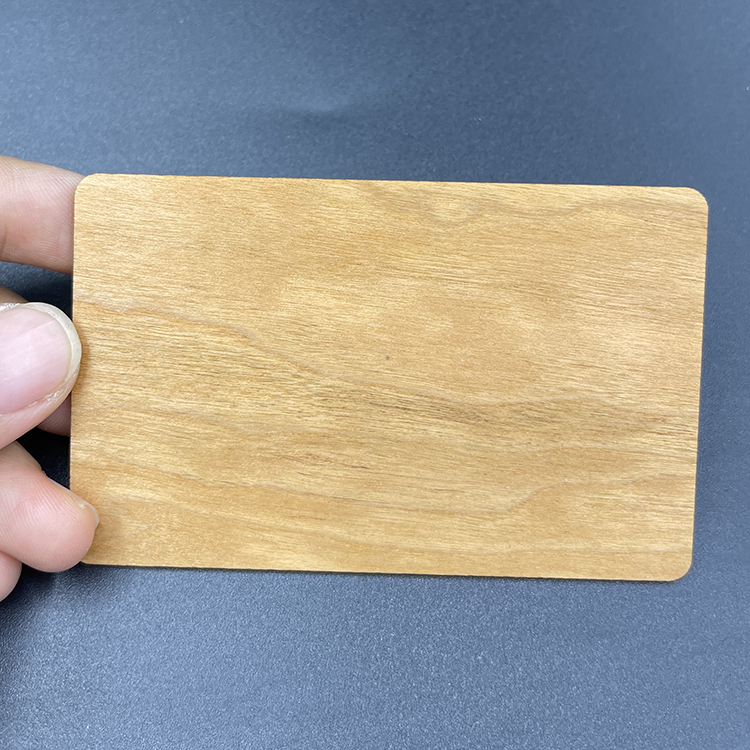
RFID Bamboo Card
On the bench, bamboo NFC cards use FSC-certified Moso bamboo (Phyllostachys edulis) compressed fiber or sliced veneer as the card body with...
Explore RFID Bamboo Card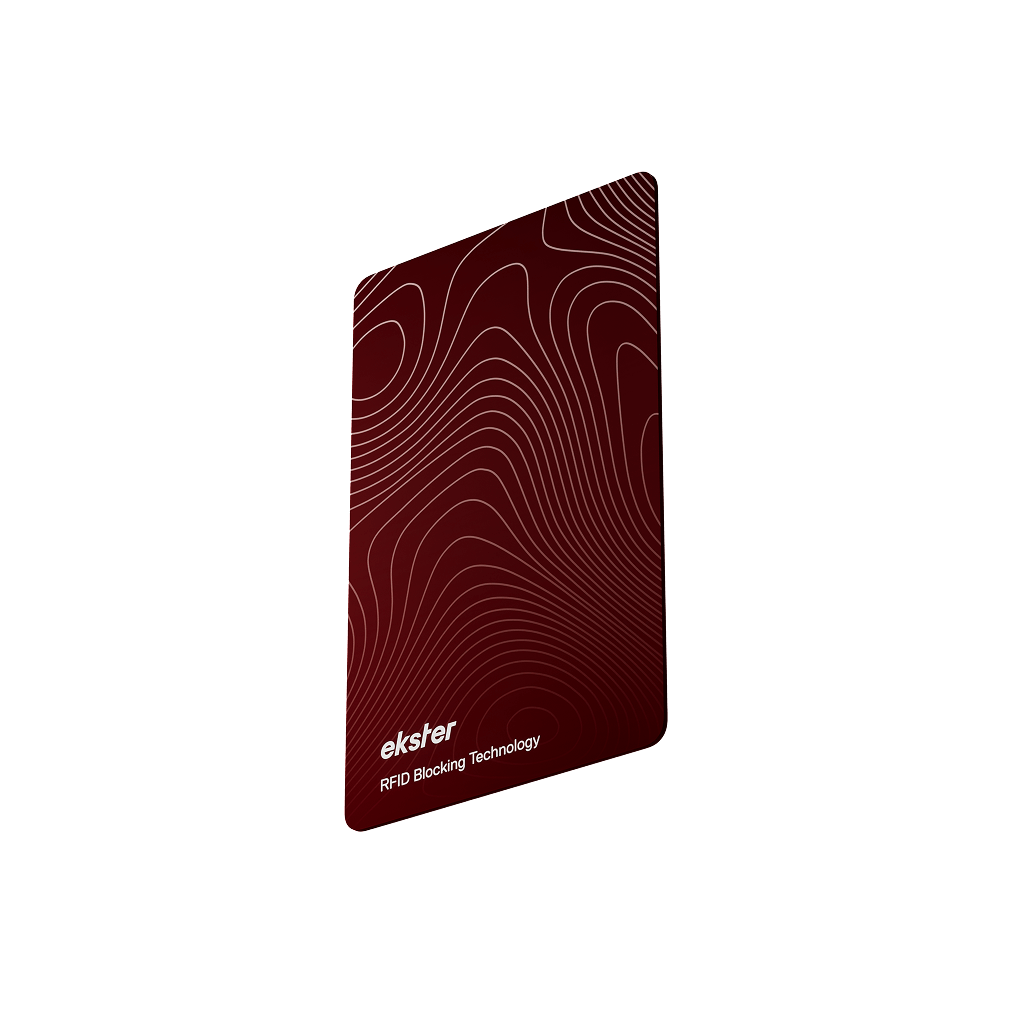
RFID Blocking Cards
RFID blocking cards sit inside a standard wallet slot and shield the cards around them from unauthorised 13.56 MHz reads — either passively...
Explore RFID Blocking Cards
RFID Employee Badge
RFID employee badges fuse photo-ID, corporate branding and contactless access-control credentials in a single ISO/IEC 7810 ID-1 card. The c...
Explore RFID Employee Badge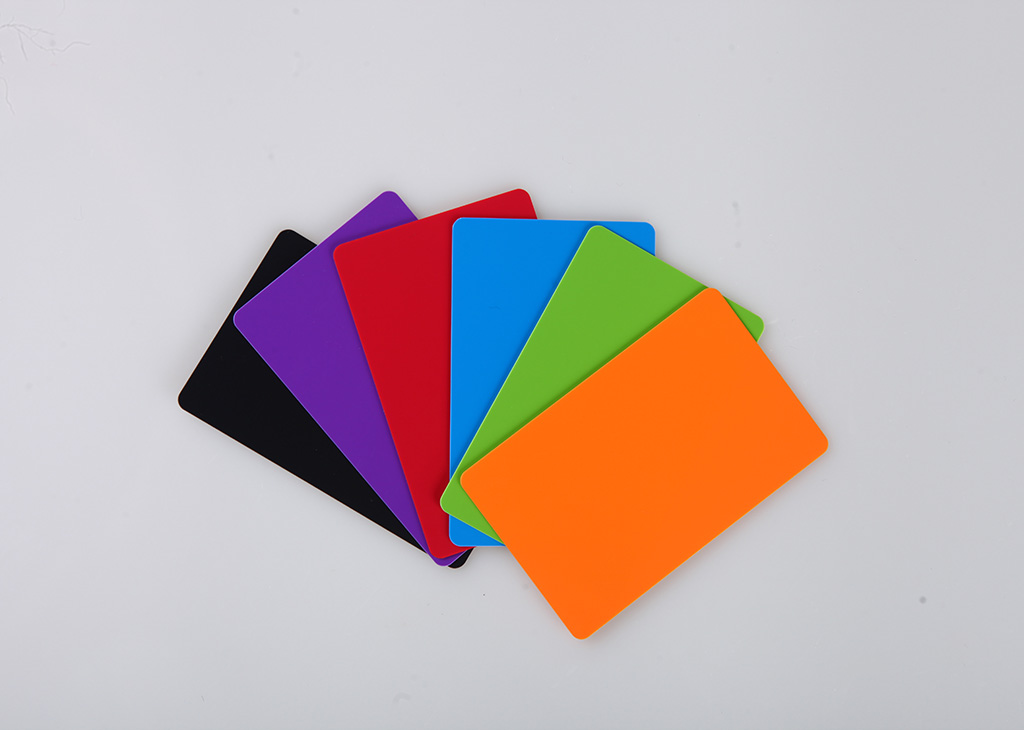
RFID Gift Cards
RFID gift cards combine the familiar stored-value gift card experience with contactless NFC tap-to-pay convenience. Customers load a dollar...
Explore RFID Gift Cards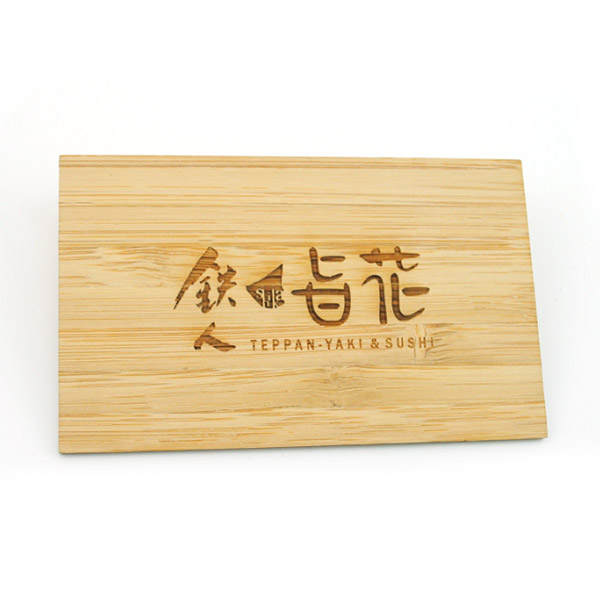
RFID Loyalty Cards
RFID loyalty cards replace flimsy paper punch cards and easily-lost plastic barcoded cards with a contactless NFC credential that customers...
Explore RFID Loyalty Cards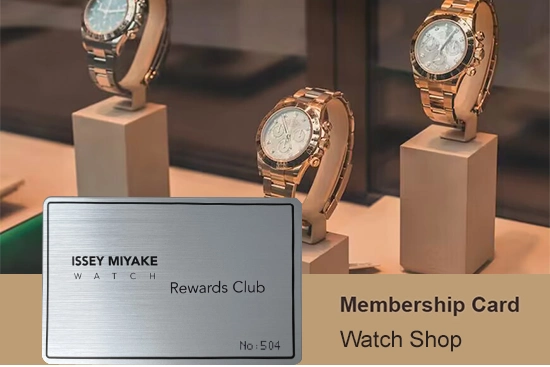
RFID Membership Cards
RFID membership cards combine premium branded printing with embedded RFID for seamless member identification. Tap for gym entry, club acces...
Explore RFID Membership Cards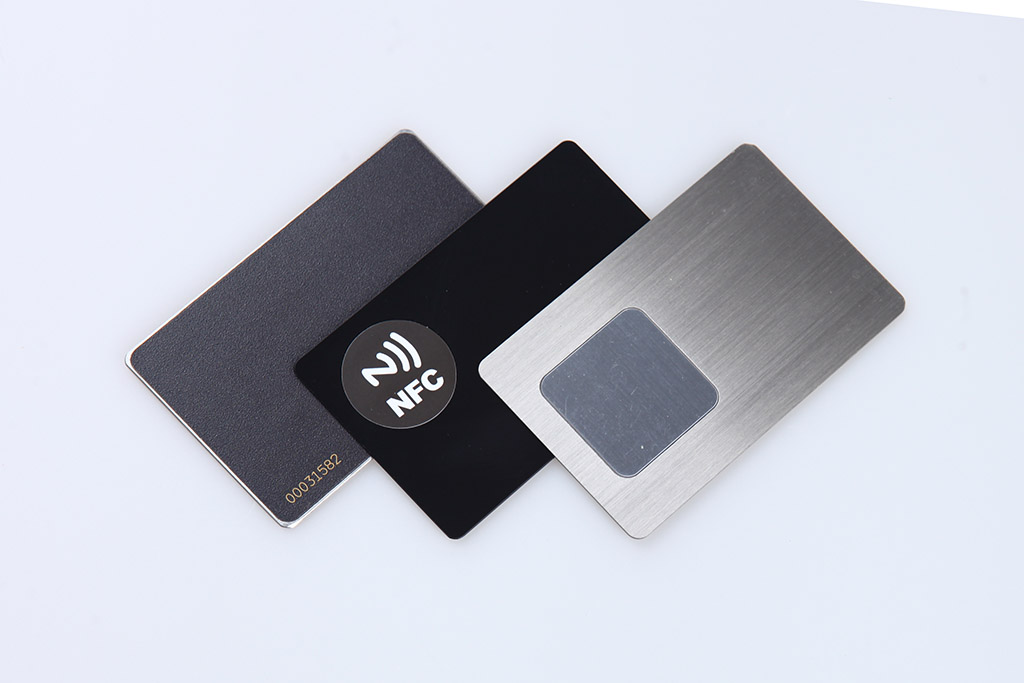
RFID Metal Business Card
Metal NFC business cards use 316L stainless steel, brass or PVD-black steel as the card body with an embedded NTAG216 on-metal inlay (ferri...
Explore RFID Metal Business Card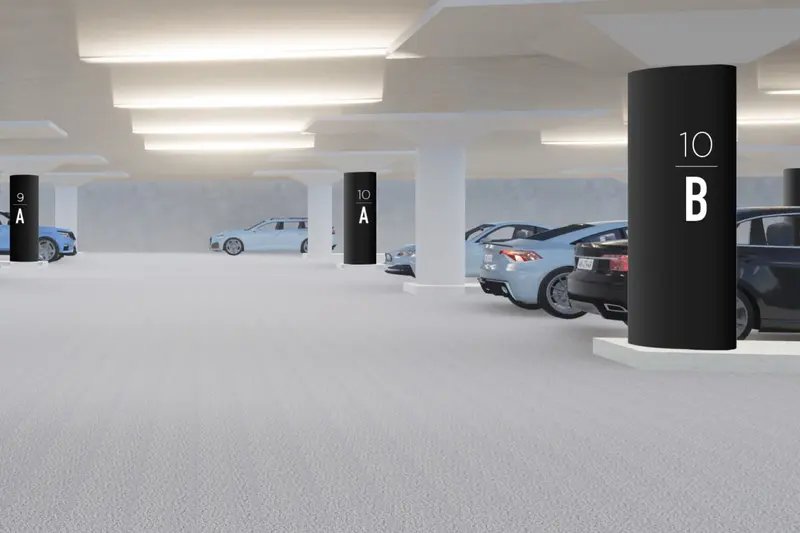
RFID Parking Cards
At BOM level, RFID parking cards enable hands-free vehicle identification at parking garages, gated communities, corporate campuses and tol...
Explore RFID Parking Cards
RFID Student ID Cards
RFID student ID cards consolidate dormitory access, library self-service, meal-plan / declining-balance payments, print-release, exam authe...
Explore RFID Student ID Cards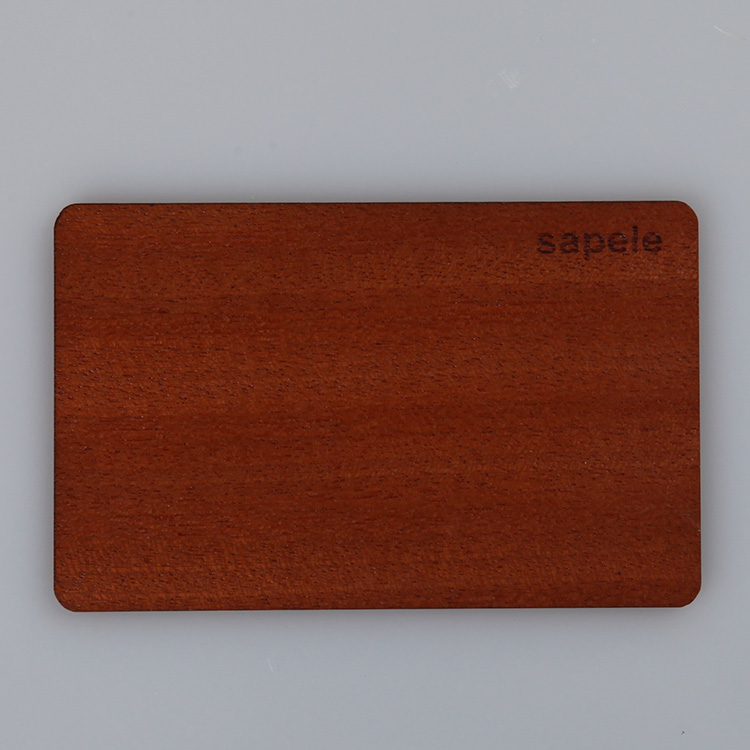
RFID Wooden Card
Wooden NFC cards laminate FSC- or PEFC-certified hardwood veneer (birch, cherry, walnut, maple) over a thin inlay core carrying a standard...
Explore RFID Wooden Card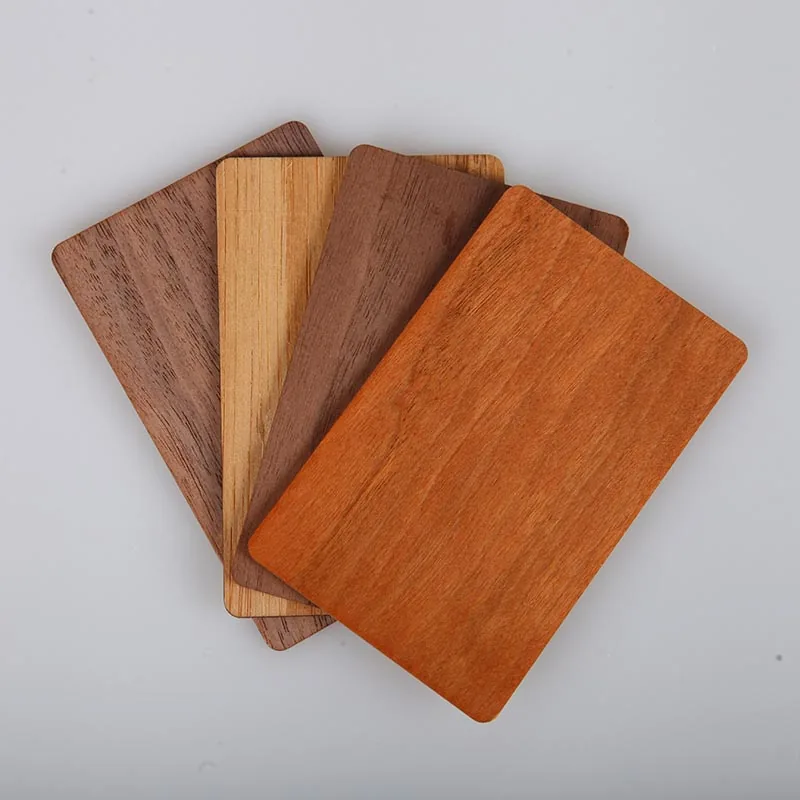
Standard RFID Wood Card
The Standard RFID Wood Card uses an FSC-certified wood body laminated with a contactless RFID or NFC inlay. It is the entry point for hospi...
Explore Standard RFID Wood Card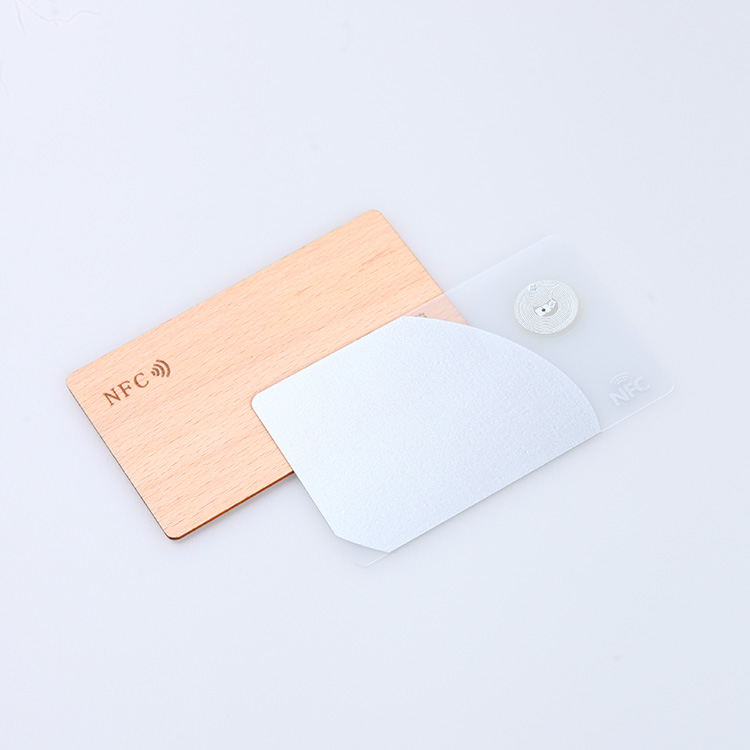
Transparent NFC Cards
Transparent NFC cards replace the opaque PVC body with optical-grade polycarbonate (PC) or PETG, turning the embedded 13.56 MHz NFC chip an...
Explore Transparent NFC Cards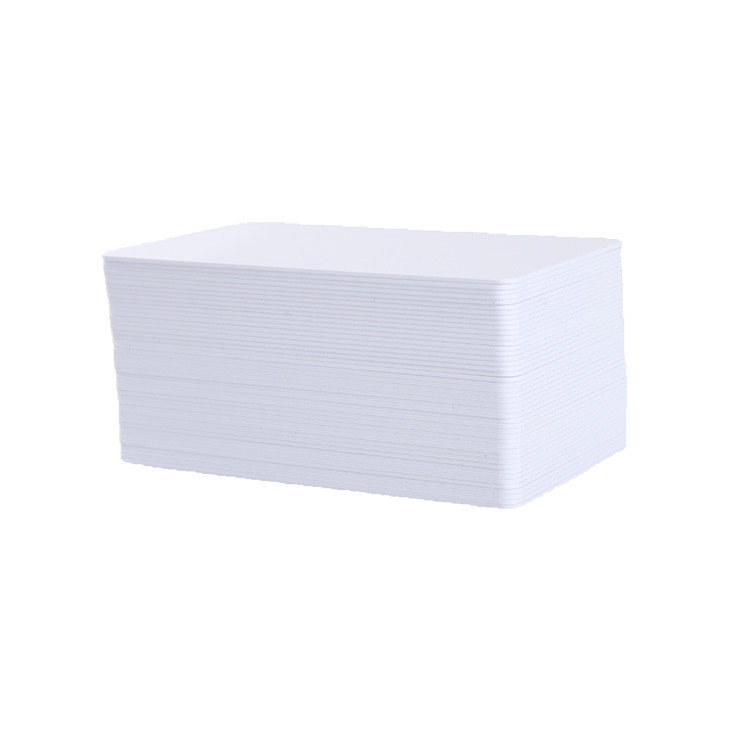
UHF RFID Cards
UHF RFID cards embed a GS1 EPC Gen2v2 / ISO/IEC 18000-63 chip inside an ISO/IEC 7810 ID-1 card body. They read at 2–8 m through an Impinj S...
Explore UHF RFID Cards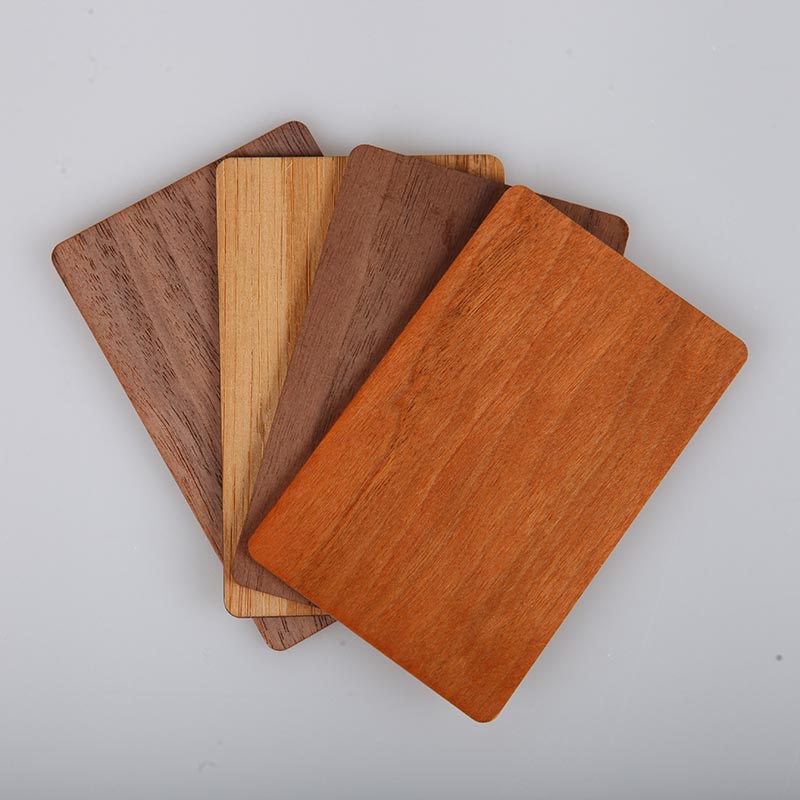
Wooden NFC Business Card
In real-world deployments, laser-engraved wooden NFC business cards use FSC / PEFC veneer (bamboo, walnut, cherry, maple) with an embedded...
Explore Wooden NFC Business CardAt a glance
Use these short answers to decide whether this page matches the project before moving into the detail.
Key takeaway
29 RFID card, NFC business card and smart-card SKUs. MIFARE Classic 1K, MIFARE DESFire EV3, MIFARE Plus SE, MIFARE Ultralight C, NTAG424 DNA TT, ICODE SLIX, EM4100, UHF, dual-frequency, metal, wood, bamboo, transparent, magstripe-combo and RFID-blocking cards.
What is an RFID card?
An RFID card is an ISO/IEC 7810 ID-1 plastic credential with an embedded chip and antenna that communicates wirelessly with a reader. The direct descendant of contact sm...
Next step
Ready to move forward? Start your inquiry to get specific answers for this project.
Request card samples & a quoteWhat is an RFID card?
An RFID card is an ISO/IEC 7810 ID-1 plastic credential with an embedded chip and antenna that communicates wirelessly with a reader. The direct descendant of contact smart cards (ISO/IEC 7816) but without the metallic contact pads.
The first commercially successful RFID cards were low-frequency 125 kHz proximity cards (HID Prox II, Indala, AWID and the EM4100 clone family) launched in the late 1980s for US enterprise access control. The 2001 ratification of ISO/IEC 14443 and the 1997 introduction of MIFARE Classic (NXP, née Philips) established 13.56 MHz as the dominant card frequency, and the subsequent rollout of EMV Contactless payment (2003+), ePassport (ICAO 9303, 2005+) and transit-card programmes (Octopus, Oyster, Suica, Clipper) scaled the RFID card from a niche access-control product into a high-volume credential category whose annual global shipments are tracked alongside payment and identity cards by Smart Payment Association and Eurosmart market reports.
In 2024-2026 the dominant forces in card demand are (a) the migration from MIFARE Classic 1K to MIFARE DESFire EV3 for enterprise and transit, driven by the known cryptographic weaknesses in the proprietary CRYPTO-1 cipher; (b) the rapid adoption of NTAG424 DNA SUN-authenticated NFC cards for luxury brand, warranty and anti-counterfeit; and (c) the continued growth of eco-materials (wood, bamboo, PLA, recycled ocean plastic) as corporate sustainability mandates reach card-issuance programmes.
- Card body: PVC (standard), ABS, PET/PETG, polycarbonate (ICAO 9303 ePassport grade), wood, bamboo, metal, recycled eco-card.
- Size: ISO/IEC 7810 ID-1 is the standard 85.60 × 53.98 × 0.76 mm. Thinner (0.50 mm) cards exist for credit-card-wallet use; thicker (1.50-2.00 mm) clamshell cards are used where printing and robustness outweigh wallet-fit.
- Chip inlay: wet or dry inlay laminated between card body layers under heat and pressure (typically 150 °C / 20 bar for 5-10 min) per the card manufacturing ISO/IEC 18745 process framework.
- Personalisation: card printer (Zebra ZXP / Evolis / Matica / Fargo) prints a photo, name, serial and barcode onto the card body and writes the RFID memory in the same pass.
How RFID cards work — LF, HF & UHF
RFID cards operate in all three frequency bands. The choice is dictated by the reader infrastructure already deployed at the customer site.
- LF 125 kHz (proximity) cards. ISO/IEC 18000-2. Chip families: EM4100, EM4200, EM4305, T5577, HID Prox II, Indala ASP, AWID. Read range 5-15 cm. No cryptography in most cases (EM4100 transmits a clear 64-bit ID every 16 ms). Still widely deployed in legacy US access control.
- HF 13.56 MHz (NFC / MIFARE / DESFire) cards. ISO/IEC 14443-3 Type A/B and ISO/IEC 15693. Chip families: MIFARE Classic 1K/4K (CRYPTO-1, now cryptographically broken), MIFARE Plus SE/S/X (AES-128, backward compatible with Classic), MIFARE DESFire EV1/EV2/EV3 (AES, 3DES, DES with full command-file structure per ISO/IEC 7816-4), MIFARE Ultralight / Ultralight C / EV1, NTAG213/215/216/424 DNA, ICODE SLIX/SLIX2/DNA, FeliCa, LEGIC advant, HID iCLASS. Read range 3-10 cm.
- UHF 860-960 MHz (RAIN RFID) cards. ISO/IEC 18000-63 / EPCglobal Gen2 v3. Chip families: Impinj Monza R6 / M750, NXP UCODE 8/9, Alien Higgs-9. Read range 1-6 m — used for vehicle windshield cards, parking, long-range badge and event cards.
- Dual-frequency cards contain two chips (one LF or HF and one UHF) bonded into the same card body for combined access-control and long-range asset or parking applications.
Types of RFID cards
Every card SKU page linked below carries its own chip spec, body material, print options and application notes. Use this index as the canonical starting point.
- MIFARE & DESFire cards: MIFARE Classic 1K card, MIFARE DESFire EV3 card, MIFARE DESFire EV3 cards bulk, MIFARE Plus SE card, MIFARE Ultralight C card, MIFARE Ultralight C cards bulk.
- NTAG & NFC authentication: NTAG424 DNA TT card, NFC warranty card.
- Legacy LF & industrial: EM4100 RFID card, ICODE SLIX card.
- UHF & dual-frequency: UHF RFID card, Dual-frequency RFID card, RFID dual-frequency card, RFID card magnetic-stripe combo, RFID parking card.
- Eco, metal & wooden: RFID wooden card, RFID bamboo card, RFID metal business card, Wooden NFC business card engraved, Transparent NFC card, Transparent clear NFC card.
- Employee, membership & loyalty: RFID employee badge, RFID membership card, RFID loyalty card, RFID gift card, RFID student ID card.
- Security & hotel: RFID card Assa Abloy compatible, RFID blocking card, NFC card custom printing.
Card chip comparison matrix
Use this matrix to shortlist a card chip. Every chip listed is currently in production and widely deployed.
| Chip | Frequency | Memory | Cryptography | Best for |
|---|---|---|---|---|
| EM4100 | 125 kHz LF | 64 bit RO | None (clear ID) | Low-security legacy access |
| T5577 | 125 kHz LF | 330 bit R/W | None | Cloning of legacy Prox cards |
| MIFARE Classic 1K | 13.56 MHz HF | 1 KB / 16 sectors | CRYPTO-1 (broken) | Legacy access, low-security loyalty |
| MIFARE Plus SE 1K | 13.56 MHz HF | 1 KB | AES-128 | Classic migration, enterprise access |
| MIFARE DESFire EV3 | 13.56 MHz HF | 2/4/8 KB file system | AES-128, 3DES, EV3 SDM | Transit, enterprise access, payments |
| MIFARE Ultralight C | 13.56 MHz HF | 192 B + 48 B lock | 3DES auth | Event tickets, short-life credentials |
| NTAG213 / 215 / 216 | 13.56 MHz HF | 144 / 504 / 888 B | 32-bit password | NFC URL, business card, tap-to-open |
| NTAG424 DNA | 13.56 MHz HF | 416 B + SUN | AES-128, SUN/CMAC | Authentication, DPP, anti-counterfeit |
| ICODE SLIX2 | 13.56 MHz HF | 2,528 bit | Privacy Mode, 64-bit password | Library ISO 28560, medical |
| UHF (UCODE 9) | 860-960 MHz UHF | 96-128 bit EPC + 64 bit TID | Access password | Parking, windshield, long-range ID |
Choosing the right RFID card
A defensible card specification answers these five questions before the print file is cut.
- 1. Existing reader infrastructure: identify every reader already deployed at the customer site. If HID iCLASS SE is in place, issue iCLASS SE-compatible cards; if MIFARE DESFire EV2 readers exist, issue EV2 or EV3 (EV3 is backward compatible). Do not migrate the card and the reader at the same time.
- 2. Security level: MIFARE Classic is cryptographically broken and should not be specified for any new deployment. Migration path is MIFARE Plus SE (Classic backward-compatible AES-128) or DESFire EV3 (AES-128 file system).
- 3. Card body material: PVC for cost, ABS for thinner wallet cards, polycarbonate for 10-year durability, wood / bamboo / metal for branded premium applications. Metal cards require a special slot-antenna design to avoid detuning.
- 4. Printing and personalisation — 4-colour offset for bulk runs; 600 dpi digital (Evolis, Matica) for lot sizes under 10,000; spot UV, embossing, holograms, magstripe, signature panel, photo ID, barcode.
- 5. Pre-encoding: UID lock, sector-key programming, DESFire application layout, NDEF URL, AES-128 diversified keys per the NXP AN10922 key-diversification algorithm. Proud Tek pre-encodes in-factory under ISO/IEC 27001 controlled process.
Standards & compliance
RFID cards sit in one of the most heavily standardised corners of the RFID industry.
- ISO/IEC 7810:2019 — Physical dimensions of ID cards (ID-1, ID-2, ID-3, ID-000). CR80 = ID-1.
- ISO/IEC 7811-1 / -2 / -6 — Embossing, magnetic stripe (HiCo / LoCo).
- ISO/IEC 7816 — Contact smart cards (the ancestor spec; DESFire command set maps to 7816-4 APDUs).
- ISO/IEC 14443-1 / -2 / -3 / -4 — 13.56 MHz proximity card air interface.
- ISO/IEC 15693 — 13.56 MHz vicinity card air interface (ICODE SLIX2).
- ISO/IEC 18000-63 — UHF RFID card air interface (for UHF cards).
- NFC Forum Type 2 / Type 4 / Type 5 — NDEF tag platforms used by NFC business cards.
- GS1 EPC Tag Data Standard (TDS) 2.0 — EPC encoding on UHF cards.
- ICAO 9303 — Machine-readable travel document (the ePassport polycarbonate card spec; relevant for high-security credentials).
- FIPS 201 / PIV: US federal government smart-card spec for PIV credentials.
- EMV Contactless Specifications (EMVCo). Contactless payment card behaviour.
- NXP AN10922 — AES-128 key-diversification for MIFARE DESFire / Plus card issuance.
Applications by industry
- Hospitality: hotel room keys (MIFARE Classic 1K, DESFire EV2/EV3 with Assa Abloy VingCard, SALTO, Onity, Saflok locks). See the hotel key cards solution and the per-brand compatibility pages like Saflok, VingCard and SALTO.
- Retail & apparel. Loyalty, gift and membership cards.
- Healthcare: patient / staff ID cards, controlled-drug cabinet access.
- Events & venues. VIP credentials and paid-access cards.
- Education: student ID, library, canteen payment.
Common pitfalls
- Specifying MIFARE Classic 1K for a new deployment. CRYPTO-1 is broken; use MIFARE Plus SE or DESFire EV3.
- Printing a metal card without a slot antenna. Metal detunes the 13.56 MHz antenna and the card stops reading.
- Forgetting to lock sector keys before issuance. Any third party with a USB reader can rewrite the card.
- Mismatching the card chip to the reader. An ISO/IEC 15693 (ICODE) card will not read on an ISO/IEC 14443 (MIFARE) reader even though both are 13.56 MHz.
- Skipping the pre-encoding plan. On-site encoding on a card printer caps throughput at 4-8 cards/min, a bottleneck for any issuance over a few thousand cards.
Editorial review
This pillar was reviewed in April 2026 by Proud Tek engineering and the ProudTek Editorial Board. Chip part numbers, standards and cryptography claims were cross-checked against NXP, HID, ISO/IEC and NIST publications as of April 2026.
Useful next pages
Use these linked product, guide and comparison pages to keep the next click specific and practical.
Reference card SKUs
The card SKU pages most commonly linked from hotel, enterprise and authentication content.
Hotel & enterprise integration
Compatibility and encoding references for hotel-lock and enterprise-access deployments.
FAQ
What is the difference between MIFARE Classic, Plus and DESFire cards?
MIFARE Classic 1K is the original 1997 NXP card using the proprietary CRYPTO-1 cipher — since 2008 CRYPTO-1 is cryptographically broken and can be attacked in under a minute with a Proxmark or ChameleonMini, so Classic should not be specified for any new secure deployment. MIFARE Plus (SE / S / X / EV1 / EV2) is the migration path: AES-128 security level 3, backward-compatible with Classic 1K memory layout so legacy readers continue to work. MIFARE DESFire (EV1 / EV2 / EV3) is a different architecture. A full file-system card with AES-128, 3DES, ISO/IEC 7816-4 APDU command set, up to 28 applications and 32 files per application. DESFire EV3 is the current generation, adds SUN message authentication (similar to NTAG424 DNA) and is the 2026 default for transit and enterprise access.
Are MIFARE Classic cards still secure?
No. The CRYPTO-1 stream cipher in MIFARE Classic was fully broken in 2008 by researchers at Radboud University and Ruhr-Universität Bochum. The known attacks (dark-side attack, nested authentication, MFCUK / MFOC) recover any Classic sector key in seconds to minutes using commonly available tools (Proxmark 3, ChameleonMini, PN532 with libnfc). Classic should only be used for low-value applications where the cost of a clone is less than the cost of the card itself (e.g. supermarket loyalty). All new access control, transit and enterprise ID deployments should use MIFARE Plus SE (backward-compatible AES) or DESFire EV3 (full AES-128 file system).
Can an RFID card be cloned?
It depends on the chip. EM4100, EM4200 and MIFARE Classic 1K cards can be cloned in seconds with a Proxmark, ChameleonMini or even a consumer tool like Flipper Zero. The ID is either unprotected (EM4100) or protected by a cipher (CRYPTO-1) that has been publicly broken since 2008. MIFARE Plus, DESFire EV2/EV3, NTAG424 DNA and ICODE DNA cards use AES-128 with diversified keys and are not practically clonable without key material. HID iCLASS SE / Seos and LEGIC advant use proprietary AES implementations that raise the bar further. If card cloning is a risk, specify DESFire EV3 or NTAG424 DNA and implement key diversification per NXP AN10922.
What is the read range of an RFID card?
HF proximity cards (ISO/IEC 14443 MIFARE, DESFire, iCLASS) read 3-10 cm from a standard proximity reader. HF vicinity cards (ISO/IEC 15693 ICODE SLIX) read 0-50 cm. LF proximity cards (125 kHz EM / HID Prox) read 5-15 cm. UHF cards (ISO/IEC 18000-63) read 1-6 m free-space from a reader at +33 to +36 dBm EIRP. The card form factor physically constrains the antenna size to 40 × 75 mm, which is the primary range limitation compared to larger tags.
Can a metal card still read as an RFID card?
Yes, if it is designed as an RFID-enabled metal card. A solid metal card body completely blocks the 13.56 MHz HF field, so metal NFC cards are built with a slot or dovetail antenna pattern: the metal is split by a milled slot that opens a dielectric window around the antenna, keeping the visual 'metal' aesthetic while allowing the RF field to penetrate. Typical read range on a well-designed metal NFC card is 1-3 cm versus 3-5 cm for a plain PVC card. Metal cards do not support UHF unless they are two-layer sandwich constructions with a non-metal dielectric core.
What is the difference between an NFC business card and a regular business card?
A regular business card is a printed piece of paper or PVC. An NFC business card adds a 13.56 MHz NTAG213, NTAG215 or NTAG424 DNA inlay laminated between card body layers, so that tapping the card to any NFC-enabled smartphone (iPhone 7+ or any modern Android) opens a URL. Typically a vCard download, LinkedIn profile, portfolio site, Calendly booking page or Google review link. The card is CR80 size, fits any wallet, prints with any offset or digital card printer, and can be encoded in-factory so it works out of the box.
How many RFID cards can I order? Is there a minimum?
Standard plain-white cards from stock: 100 pieces minimum for any chip family. 4-colour offset printed cards: typical minimum 500-1,000 for digital print, 5,000-10,000 for offset (so the print plates can be amortised). Custom die-cut, embossed, metal or hologram cards: 1,000-5,000 minimum depending on the feature. Pre-encoding (UID lock, sector-key programming, AES-128 diversified keys, DESFire application layout, NDEF URLs) adds no MOQ surcharge for runs above 500 pieces.
Can RFID cards carry both RFID and a magnetic stripe?
Yes. A combi or hybrid card laminates a 13.56 MHz or 125 kHz RFID inlay into the card body and applies a HiCo 2750 Oe or LoCo 300 Oe magnetic stripe per ISO/IEC 7811-2 to the back. This is the standard form-factor for hotel-room keys, transit passes in older fleets and employee badges in sites that still run magstripe-only door-access on some doors. The RFID and magstripe work entirely independently (the RFID antenna is around the card perimeter, the magstripe sits on the back face) so there is no electromagnetic interference between them.
Sources & references
Primary standards, OEM datasheets and regulatory documents cited by this article. All URLs were verified on the access date shown below.
- ISO/IEC 7810:2019 — Identification cards — Physical characteristics
Defines the ID-1 (CR80, 85.60 × 53.98 × 0.76 mm) dimensional standard for every RFID card in this catalogue.
- ISO/IEC 14443 series (Parts 1-4) — Cards and security devices for personal identification, contactless proximity objects
HF 13.56 MHz proximity card air interface for MIFARE, DESFire, iCLASS and ICAO ePassport cards.
- ISO/IEC 15693-3:2019 — Identification cards — Contactless integrated circuit cards — Vicinity cards
HF vicinity air interface — ICODE SLIX, SLIX2 and library card applications (ISO 28560).
- ISO/IEC 7816-4:2020 — Identification cards — Integrated circuit cards — Organization, security and commands for interchange
APDU command structure used by MIFARE DESFire file system.
- ISO/IEC 18000-63:2021 — Parameters for air interface communications at 860 MHz to 960 MHz Type C (EPCglobal UHF Class-1 Gen-2)
UHF RFID card / windshield / parking card air interface.
Proud Tek is a Shenzhen-based RFID & NFC manufacturer supplying hotel chains, transit operators, event venues and retail brands worldwide. Every order includes free samples, RF testing and dedicated project support.
Get a Quick Quote
Tell us about your project and we'll respond within one business day. Fields marked (asterisk) are required.