
RFID Technology
RFID Card Materials
From PVC to Paper

Quick answer
A technical comparison of RFID card substrates (PVC, PET, ABS, wood and paper) covering durability, chip compatibility, printing options and environmental impact for B2B procurement teams selecting the right material for their application.
- PVC remains the dominant RFID card material due to its low cost, excellent printability and proven lamination compatibility with all major inlay formats.
- Bio-based and recycled substrates such as wooden cards and paper-based RFID cards are gaining traction in sustainability-driven procurement programs.
- Material choice directly affects card lifespan, read range, chemical resistance and total cost of ownership across the card lifecycle.
At a glance
Use these short answers to decide whether this page matches the project before moving into the detail.
Key takeaway
PVC remains the dominant RFID card material due to its low cost, excellent printability and proven lamination compatibility with all major inlay formats.
Why substrate material matters for RFID card performance
Every RFID card substrate looks like a reasonable choice in the sample pack. PVC, PET, ABS, a wood veneer that feels like the premium option — all of them photograph wel...
Next step
Ready to move forward? Start your inquiry to get specific answers for this project.
Request material samplesWhy substrate material matters for RFID card performance
Every RFID card substrate looks like a reasonable choice in the sample pack. PVC, PET, ABS, a wood veneer that feels like the premium option — all of them photograph well and feel fine in the hand. They stop looking equivalent once they reach the field, where wallets, laminators and cleaning chemicals each get a say. The substrate is not merely a cosmetic choice. It determines RF transmission characteristics, mechanical durability, printing compatibility and end-of-life recyclability. Procurement teams evaluating RFID card vendors should specify material requirements alongside chip and frequency specifications.

RF energy passes through different materials at different attenuation rates. A card substrate that absorbs or reflects 13.56 MHz energy reduces effective read range. PVC and PET are largely transparent to HF and UHF energy, while wood and paper introduce minor signal attenuation depending on moisture content and thickness.
- PVC (polyvinyl chloride) offers the widest range of printing and lamination options at the lowest per-card cost.
- PET (polyethylene terephthalate) provides superior chemical resistance and is more temperature-stable than PVC.
- ABS (acrylonitrile butadiene styrene) is used where impact resistance and heat tolerance exceed PVC's working range.
- Wood-based cards use a thin veneer bonded to a PVC or PET core, preserving RF performance while delivering a distinctive tactile finish.
- Paper-based RFID cards use recycled or FSC-certified card stock with embedded inlays, targeting single-use or short-lifecycle applications.
How do mechanical and environmental durability by material work?
Card lifespan in the field depends on operating conditions: temperature extremes, chemical exposure, UV radiation and mechanical flex cycles. A back pocket delivers all four at once, which makes it the most honest accelerated-aging lab a card will ever see. The table below summarizes key durability parameters for each substrate.
| Material | Operating temp. range | Flex cycles (ISO 10373) | Chemical resistance | Typical lifespan |
|---|---|---|---|---|
| PVC | −10 °C to +50 °C | 2 000+ | Moderate: damaged by acetone, MEK | 3–5 years |
| PET | −20 °C to +70 °C | 3 000+ | High: resists most solvents | 5–7 years |
| ABS | −20 °C to +80 °C | 2 500+ | High: excellent solvent resistance | 5–8 years |
| Wood veneer / PVC core | −5 °C to +45 °C | 500–1 000 | Low: moisture sensitive | 1–3 years |
| Paper / card stock | 0 °C to +40 °C | < 500 | Very low: water degrades quickly | Single-use to 6 months |
How do printing and personalization compatibility work?
Each substrate has different surface energy, heat tolerance and ink adhesion properties that determine which printing methods are viable. For B2B buyers ordering custom-printed RFID cards, understanding these constraints avoids costly reprints and delamination issues.
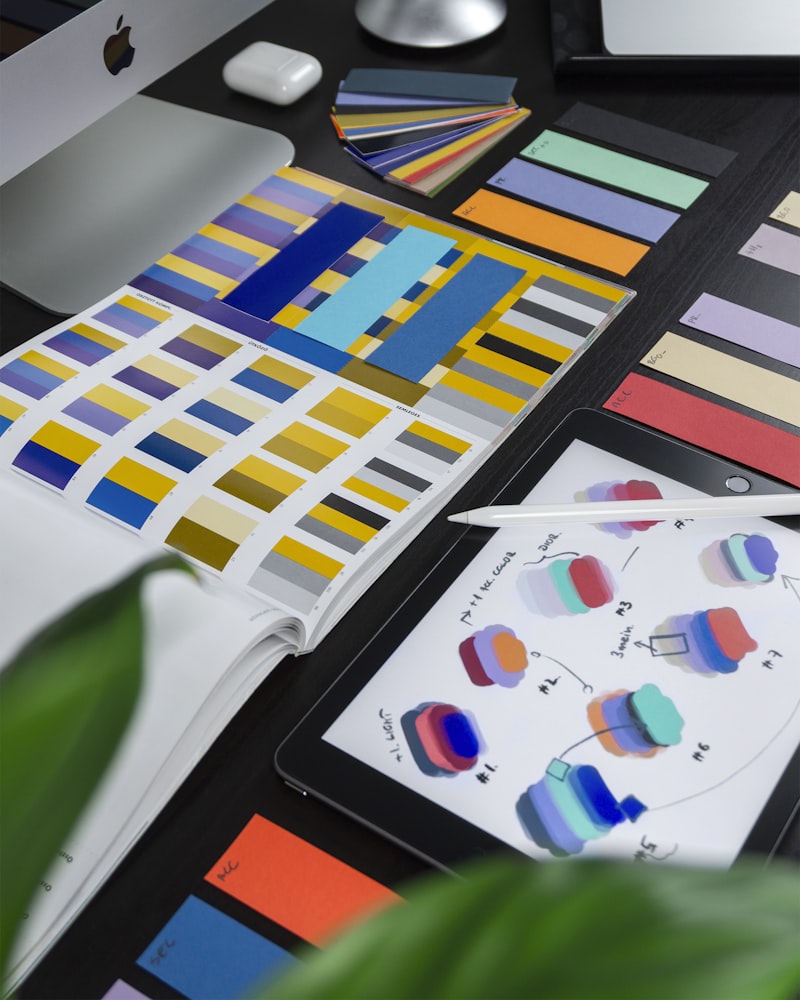
PVC accepts dye-sublimation, direct-to-card thermal transfer, offset lithography and digital UV inkjet printing. PET requires corona or plasma surface treatment before ink adhesion is reliable for offset and screen printing. ABS is compatible with most thermal transfer ribbons but can warp under high-temperature retransfer printers. Wood and paper substrates are best suited for UV inkjet or screen printing where heat exposure is minimized.
- Dye-sublimation printing on PVC produces photo-quality edge-to-edge graphics and is the standard for hotel key cards and membership cards.
- Retransfer (reverse-transfer) printing works on all smooth-surface materials including PET and ABS, at higher per-card cost.
- Laser engraving on PVC and ABS creates tamper-evident personalization that cannot be reprinted or altered.
- UV inkjet printing on wood and paper cards allows small-batch customization without tooling charges.
What environmental and sustainability considerations apply?
Sustainability requirements are increasingly embedded in corporate procurement policies. Understanding the environmental profile of each substrate helps B2B buyers align RFID card purchases with their ESG reporting obligations.
PVC is the least environmentally favorable option due to chlorine content and difficulty of recycling post-consumer. PET is recyclable in standard plastics streams. ABS has limited recycling infrastructure but is long-lived enough to offset replacement cycles. Wood and paper cards biodegrade naturally and are compostable if the embedded inlay is removed or uses biodegradable antenna materials.
- Several European hotel chains now mandate PET or paper-based key cards to meet single-use plastics reduction targets.
- Paper RFID cards with water-soluble adhesive allow inlay recovery and chip reuse at end of life.
- FSC-certified wood veneer cards provide a verifiable chain-of-custody for sustainability audits.
- Carbon-footprint comparisons should include card lifespan. A PVC card lasting five years may have lower lifecycle emissions than a paper card replaced monthly.
How do chip and inlay compatibility across substrates work?
Not every chip format bonds reliably to every substrate. Wire-bonded inlays, flip-chip inlays and etched antennas each have different thermal and mechanical bonding requirements that limit substrate compatibility. Wood, in particular, has opinions about heat that a hot laminator does not share.
- Standard wet inlays (NTAG, MIFARE, DESFire) laminate well between PVC, PET and ABS layers using standard hot lamination at 120–150 °C.
- Wood veneer cards require cold lamination or adhesive bonding to avoid scorching the veneer surface.
- Paper cards typically use cold-laminated or adhesive-mounted inlays since paper stock cannot withstand lamination temperatures above 100 °C.
- Aluminum-etched antennas on PET film are thinner and lighter than copper alternatives due to vapor deposition manufacturing, making them the dominant technology for cost-effective RFID inlays. Copper antennas offer higher conductivity and are preferred for performance-critical applications.
- Pre-laminated inlay sheets (prelams) are available in PVC and PET but not in wood or paper, requiring manual inlay placement for non-plastic substrates.
Material price benchmarks and per-card cost build for 2026
Substrate selection drives 30-50% of the per-card cost in volume. The table-equivalent benchmarks below are 2026 reference unit pricing for stocked RFID/NFC cards at 5K-50K MOQ, FOB China factory; aggregator/converter pricing in the US/EU adds 20-40% to these levels.
- Standard PVC + NTAG 213 — $0.18-$0.32 per card at 5K-10K MOQ; $0.12-$0.22 at 50K+ MOQ. The volume baseline; what most marketing-tap loyalty and event programs spec.
- Recycled PVC (50-80% PCR) + NTAG 215 — $0.25-$0.45 at 5K-10K; $0.18-$0.32 at 50K+. Carries 10-15% premium over virgin PVC; pricing converges at 100K+.
- PET (rPET or virgin) + MIFARE DESFire EV3 4K — $0.95-$1.65 at 5K MOQ; $0.65-$1.10 at 50K+. Hotels and transit migrating from MIFARE Classic 1K to DESFire EV3 hit this band.
- FSC wood veneer + PVC core + NTAG 424 DNA — $1.50-$3.50 at 1K-5K MOQ; $0.85-$1.80 at 25K+. Premium brand-protection cards (LVMH Aura tier) and B2B networking metal-look NFC cards at the higher end.
- FSC paper + NTAG 213 — $0.10-$0.22 at 5K-10K; $0.06-$0.14 at 50K+. Cheapest stocked option; 1-3 day production lead time when stocked. Single-use to short-lifecycle (event badge, transit ticket) only.
Card-body lamination, edge sealing and CR80 standard compliance
ISO 7810 ID-1 (the CR80 banking-card form factor — 85.60 x 53.98 mm, 0.76 mm thick) is the spec every standard RFID card must meet to fit existing card readers, ATMs, hotel-key locks and printer feeders. Lamination process drives whether the card meets ISO 7810 + ISO 10373 flex/torsion durability tests.
- Hot lamination (120-150 °C, 60-90 second cycle, Atlantek/Pollux/Kyodo Printing equipment) — produces edge-sealed CR80 cards with no delamination risk over 3-5 year lifecycle. Standard for PVC, PET and ABS bodies.
- Cold lamination (room-temperature pressure-sensitive adhesive) — required for wood, paper and PLA substrates that warp at >100 °C. Edge-seal quality is lower; 2-3 year typical lifespan in regular pocket/wallet use.
- Inlay placement tolerance — IDEMIA, IDP, Evolis, Zebra ZXP and Fargo card printers expect inlay coil at standard CR80 position (centered, 8-12 mm from card edge). Off-spec placement causes encoding failures at the printer head and embarrassing first-deployment quality issues.
- Edge-seal additives — BiFin, Toppan and Beijing Watchdata laminating compound provide UV-stabilised edge sealing that resists wallet-edge wear for 5+ years. Specify edge-seal grade in RFQ if cards face daily handling.
- ISO 10373-1 flex test — 2,000 flex cycles for PVC, 3,000 for PET, 500-1,000 for wood/paper. Run cards through this test (Atlantek 510 or Mecmesin tester) before signing off on a 100K+ run; vendors with their own test labs should provide the report on request.
Useful next pages
Use these linked product, guide and comparison pages to keep the next click specific and practical.
Standard RFID card blanks
Blank PVC and PET RFID cards ready for custom printing and encoding in volume orders.
Specialty material RFID cards
Wood veneer and eco-friendly substrates for brands that prioritize sustainability and tactile differentiation.
Card material standards and certifications
Authoritative durability and sustainability standards for substrate selection.
FAQ
Which RFID card material lasts the longest in harsh environments?
ABS offers the best combination of heat resistance, chemical resistance and impact strength for industrial environments. PET is a close second with superior flex-cycle durability. PVC is adequate for indoor commercial use but degrades faster under UV exposure and solvent contact.
Can wooden RFID cards be printed with full-color graphics?
Yes. UV inkjet printing allows full-color, photo-quality graphics on wood veneer surfaces. Laser engraving is also popular for a natural, premium aesthetic. Standard dye-sublimation printers cannot be used because the wood surface is not smooth enough for thermal transfer.
Are paper RFID cards reliable enough for commercial use?
Paper RFID cards are suitable for single-use or short-lifecycle applications such as event badges, transit tickets and promotional cards. They are not recommended for access control or membership cards that need to survive repeated handling over months or years.
Does card material affect NFC read range?
Minimally. PVC, PET and ABS are largely RF-transparent at 13.56 MHz. Wood and paper may reduce read range by 5–15 percent depending on moisture content and thickness, but the effect is negligible for tap-to-read applications where the card contacts the reader.
How does the card material affect printer compatibility (Evolis, Zebra, Fargo, Magicard, Datacard)?
PVC, PET and ABS print cleanly on dye-sublimation printers (Evolis Primacy, Zebra ZXP Series 7/9, Fargo HDP5000, Magicard Ultima, Datacard CD800/SD460). Wood veneer and paper require either UV inkjet (Mimaki UJF-3042, Roland VersaUV) or pre-printed offset/digital cards delivered already-printed and laminated. Most printer manuals explicitly call out which card stock thicknesses (typically 0.30-0.84 mm) and surface treatments (varnish, hologram overlay, edge-to-edge print) are supported. Always send your supplier the printer make/model when ordering blanks so they can ship the correct surface treatment and inlay placement.
Are there ISO 14443 / ISO 15693 certification differences across card materials?
The ISO 14443 / 15693 air-interface specifications are chip-and-antenna-level requirements that don't change with card body material. A NXP-certified MIFARE DESFire EV3 chip produces the same signal profile whether laminated into PVC, PET, ABS, wood or paper. Material affects mechanical durability (ISO 10373 flex/torsion), heat tolerance (ISO/IEC 7810) and printing compatibility — not the radio behaviour. The exception is heavy moisture absorption (paper soaked in water) which can detune the antenna by 10-30%, restored once dry.
Proud Tek is a Shenzhen-based RFID & NFC manufacturer supplying hotel chains, transit operators, event venues and retail brands worldwide. Every order includes free samples, RF testing and dedicated project support.
Get a Quick Quote
Tell us about your project and we'll respond within one business day. Fields marked (asterisk) are required.